AI Assisted
Export: PDF & DOCX
Get your custom agreement in minutes
4.8 Rating
Downloaded 2769 times
Get your complete
agreement in minutes
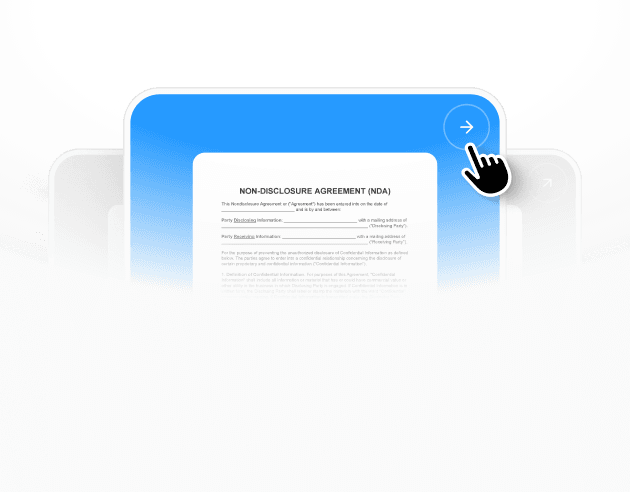
Select a template
Each template already follows legal structure and best practices.
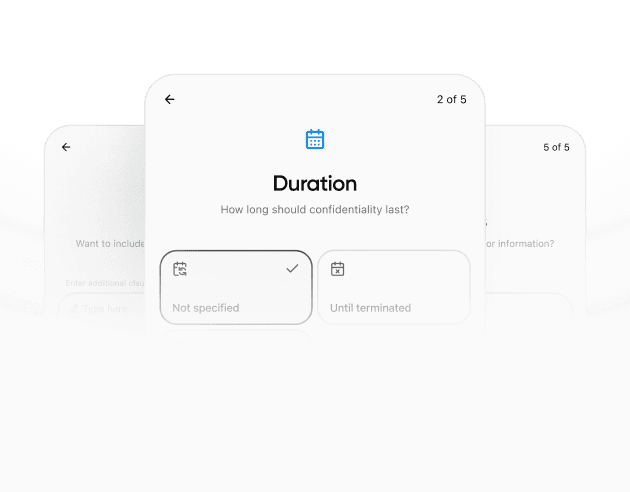
Provide details
The agreement is automatically filled and adapted to your inputs.
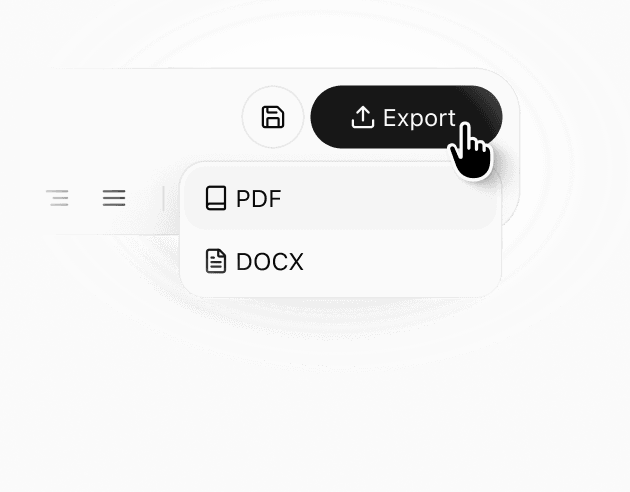
Review & download
Check the generated document, make edits if needed, and download a ready-to-use agreement.
Details
Learn more about
ACH Authorization Form Template – Washington
Washington ACH Authorization Form Template FAQ
Why is it important to include a notice preference in an ACH authorization?
Notice preferences can make recurring or variable billing smoother because the payer knows where to look for reminders, invoices, or correction notices. While the authorization controls permission to debit, notice fields can reduce surprise and prevent missed communications if a payer uses a specific email or prefers portal messages. A notice preference also helps internal teams route time-sensitive issues like returned payments to the right channel quickly. The key is to keep notice preferences separate from the cancellation method, so the payer understands that cancellation still requires the stated written notice process. Clear communications reduce disputes and help payments run on schedule.
How does a transaction profile table help with variable ACH billing?
A transaction profile table provides a structured snapshot of how variable debits will work, such as the invoicing trigger, maximum cap, expected frequency range, and reference field used to match each debit to an invoice. This can reduce disputes because the payer can see the boundaries and the method for identifying each debit. Internally, the table helps billing teams apply the authorization consistently across accounts. It also creates an audit-friendly record when debits vary from month to month. The goal is predictability: even if amounts change, the process and limits are clear and documented in a consistent format.
What should the form say about correction credits and refunds?
If the business wants the ability to correct mistakes quickly, the form can include permission for credit entries to correct errors, such as reversing an incorrect debit or issuing a refund. The language should be limited to corrections so it cannot be interpreted as permission for unrelated transfers. It can also include a place to record a correction reference ID, which helps reconciliation and customer support. The goal is a smoother resolution process when errors occur. A narrow correction clause protects the payer by limiting credits to corrections and protects the business by documenting consent to fix mistakes without delays.
How should a business document internal approvals for initiating ACH debits?
Internal approvals can be documented by assigning a customer reference ID and recording who reviewed the authorization, when it was received, and what payment type was selected. A short internal approval block can also capture the billing owner and the effective start date used for scheduling. This helps prevent debits from being initiated before the authorization is effective or from the wrong customer file. If the payer later questions a debit, an internal approval record makes it easier to confirm that staff followed the correct process. The goal is consistent operational control, especially when more than one team member can initiate entries.
Can one authorization cover multiple services or locations for the same payer?
It can, but the form should clearly identify the account references or service identifiers covered by the authorization. Without a limitation field, multi-service relationships can lead to confusion about which debits were intended. A table listing covered accounts or invoice prefixes can help, especially for business payers with multiple sites. If the payer wants separate caps or schedules for different services, separate authorizations or separate modules can keep the terms clear. The goal is to avoid accidental cross-charging and to make reconciliation straightforward. Clear scope fields are the best protection when billing is more complex than one subscription.
What is a best practice for storing ACH authorization forms securely?
Best practice is to store the signed authorization in a controlled location with access limited to staff who need it for billing and support. Assigning a reference ID and recording where the form is stored helps prevent copies from being scattered across email threads. If you update bank details, keep the old version and label the new one with an effective date so the history is clear. Retaining cancellation notices and correction documentation in the same file also helps. The goal is to maintain a complete, organized record while reducing unnecessary exposure of sensitive bank details.
Can AI Lawyer help customize the authorization for portal-based billing?
AI Lawyer can help you tailor the form to portal-based workflows by adding fields for portal account IDs, invoice references, notice preferences, and internal approval tracking. You can also include a transaction profile table for variable billing so the payer sees the cap and the method for identifying each debit. You still control how invoices are generated and how debits are initiated, but a structured template helps staff follow the same steps every time. When a portal is used, consistent reference fields can reduce support tickets because payers can match debits to portal statements more easily.
Similar templates