AI Assisted
Export: PDF & DOCX
Get your custom agreement in minutes
4.8 Rating
Downloaded 2751 times
Get your complete
agreement in minutes
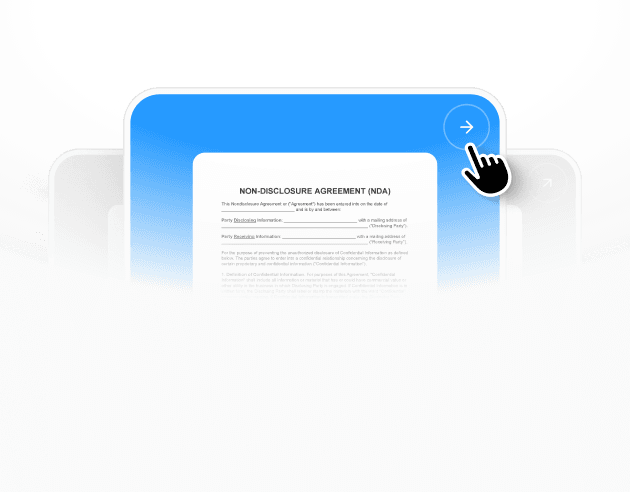
Select a template
Each template already follows legal structure and best practices.
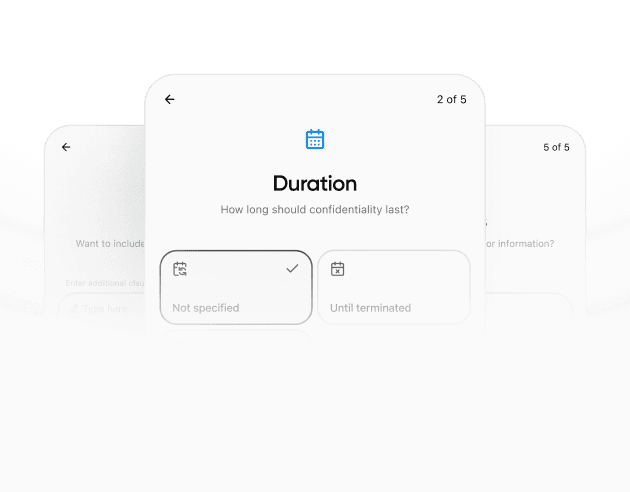
Provide details
The agreement is automatically filled and adapted to your inputs.
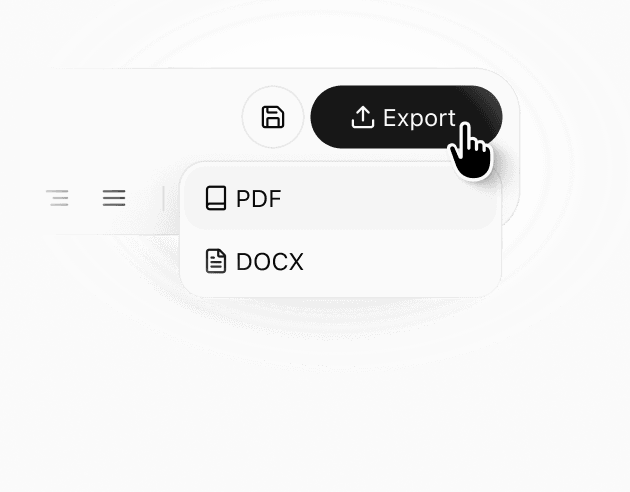
Review & download
Check the generated document, make edits if needed, and download a ready-to-use agreement.
Details
Learn more about
Credit Card Authorization Template – Texas
Texas Credit Card Authorization Template FAQ
Why is a maximum amount per billing period helpful?
A billing cap clarifies the outer limit of what the cardholder is approving for a given period, which can be useful when charges may vary due to usage, add-ons, or proration. It sets expectations up front and makes it easier to explain billing when statements arrive. If your pricing is fixed, you can still include a cap that matches the recurring amount to reinforce what “normal” looks like for the customer.
How do I document a change to a recurring charge?
Use a short change record that states what changed, the new terms, and who approved it. The most important details are the revised amount, the revised schedule, and whether the cap or end date changed. Keeping the change record attached to the original authorization helps the business show a continuous consent history. AI Lawyer can generate a consistent change record layout so updates are captured the same way across accounts.
Can a customer authorize a charge without specifying an exact date?
For one-time charges, specifying a charge date reduces confusion. For recurring charges, the schedule can be expressed through a start date and a frequency, with an end condition such as a final date or “until cancelled.” The key is that the customer can understand when charges will happen and for what amounts. If timing is uncertain, consider waiting to charge until an invoice is issued and tied to the authorization reference.
What if the customer disputes the descriptor on their statement?
Descriptor confusion is common when the business name on a website differs from the processing descriptor. Including the descriptor field helps reduce that risk because customers see in advance what the statement line will likely say. If your descriptor changes by product line, capture the exact version used for processing. When questions arise, the signed authorization with the descriptor field can help resolve the issue faster.
Should I include an order number even for subscriptions?
Yes, because a reference number helps both parties match the charge to the underlying account or subscription record. For subscriptions, you can use an account number, membership ID, or subscription ID instead of a one-time order number. This is useful for customer support, cancellations, and reconciliation. It also makes internal billing notes easier to track across renewals.
Is storing card details on the form a good idea?
Only capture what your workflow truly needs and keep access controlled. Many businesses process payments through secure systems that reduce the need to keep full details in a document. If you do keep completed forms, store them in a restricted location and maintain a consistent internal reference so the record can be found without copying card information into multiple places. The goal is to document consent while minimizing unnecessary handling.
How does this template differ from a receipt?
A receipt confirms that a payment occurred, while an authorization form documents permission to charge. The authorization typically exists before or at the time of charging, and it defines the terms for future charges if recurring billing is involved. Using both together is common: the authorization records consent, and receipts or invoices provide the transactional record for accounting and customer reference.
Similar templates