AI Assisted
Export: PDF & DOCX
Get your custom agreement in minutes
4.8 Rating
Downloaded 3620 times
Get your complete
agreement in minutes
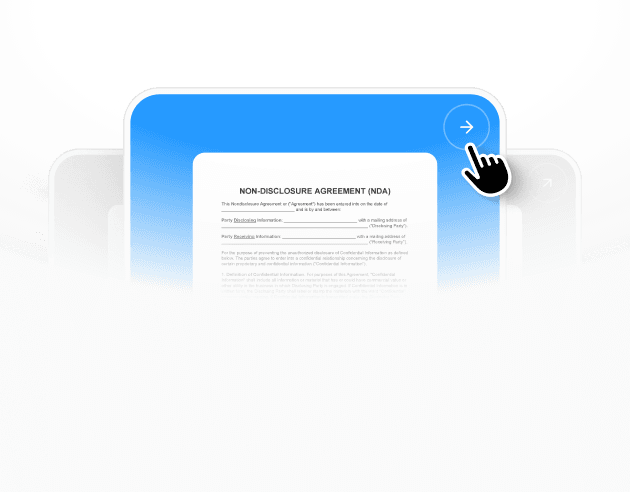
Select a template
Each template already follows legal structure and best practices.
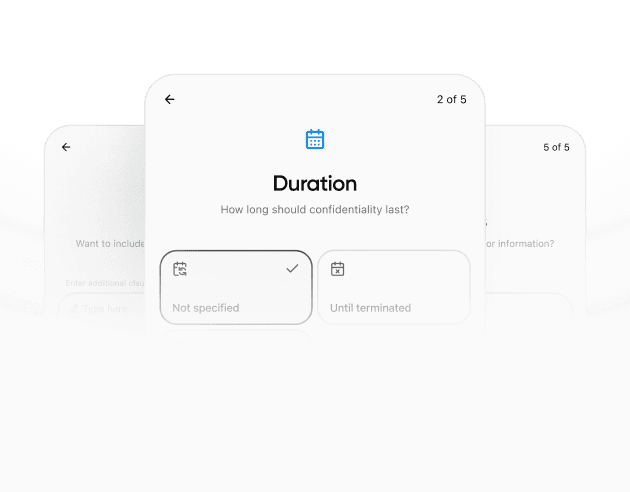
Provide details
The agreement is automatically filled and adapted to your inputs.
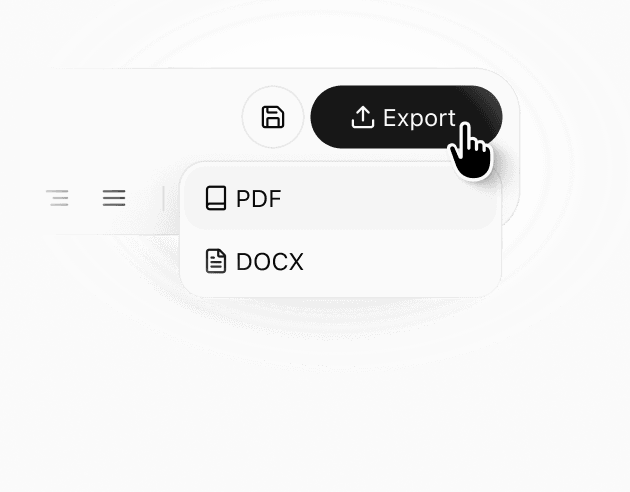
Review & download
Check the generated document, make edits if needed, and download a ready-to-use agreement.
Details
Learn more about
Credit Card Authorization Template – Florida
Florida Credit Card Authorization Template FAQ
Why put cancellation details at the top of the form?
For recurring billing, customers often care most about how to stop charges and when the stop becomes effective. Placing the cancellation channel and processing window first reduces confusion and makes it easier for customers to find the right contact. It also helps customer service teams because the form becomes a shared reference when someone asks about a cancellation timeline or whether a charge was already in progress.
How do I choose an effective cancellation window?
Pick a processing period that matches how your billing runs and how quickly requests can be verified and routed internally. The window should be long enough to handle operational steps but short enough to feel reasonable to customers. Whatever period you use, apply it consistently and capture the date received so there is a clear record of when the request started.
What should a customer include in a written cancellation notice?
A cancellation notice should identify the account or subscription and provide enough information for the business to locate the authorization, such as a customer ID, invoice reference, or last four digits of the card if your process allows. Customers should also state whether they are canceling future charges only or requesting other changes. The form helps by listing the correct address and email for notice delivery.
Can a business continue charging after a cancellation notice is sent?
The form’s effective-date language is intended to explain that charges already processed or in progress may still be applied. This is a practical reality of billing cycles and processing cutoffs. The safest approach is to document the date received, apply the stated window consistently, and confirm the change in your internal system using a logged reference so both sides can track what happened.
How do I handle charge questions when the customer does not recognize the descriptor?
Use a descriptor field that matches what the customer will see on the statement. If your marketing name differs from the processing name, capture both through the descriptor placeholder. When a question comes in, you can point back to the signed authorization that lists the descriptor and the referenced invoice or account. That reduces the likelihood of escalation and supports quicker resolution.
Is an email authorization acceptable if the customer cannot sign?
Many businesses document consent through a combination of communications, such as an email approval paired with an invoice reference, but your process should make the authorization method clear and retrievable. If you rely on email, store it with the same internal reference as the authorization form. The key is that the record shows what was authorized, by whom, and on what terms, so the consent is not ambiguous.
Should I keep a separate log for cancellations?
A cancellation log is useful when you have multiple recurring customers or multiple staff members processing requests. It creates a simple audit trail showing when requests were received, how they were delivered, and when they became effective. This can reduce internal errors and make customer communications more consistent. Even a short log tied to an internal reference can prevent repeat questions about status.
Similar templates