AI Assisted
Export: PDF & DOCX
Get your custom agreement in minutes
4.8 Rating
Downloaded 3122 times
Get your complete
agreement in minutes
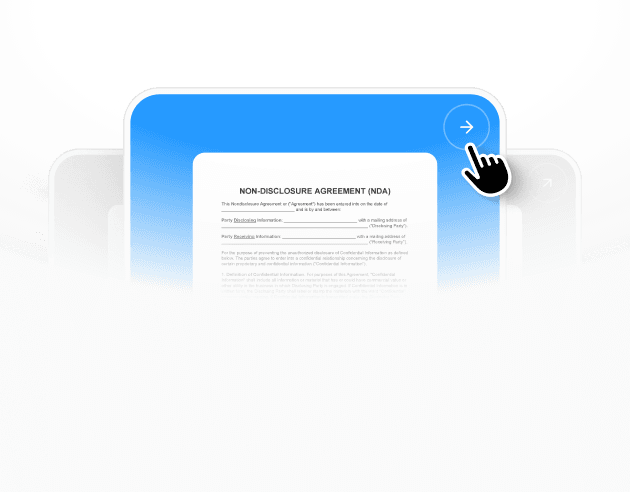
Select a template
Each template already follows legal structure and best practices.
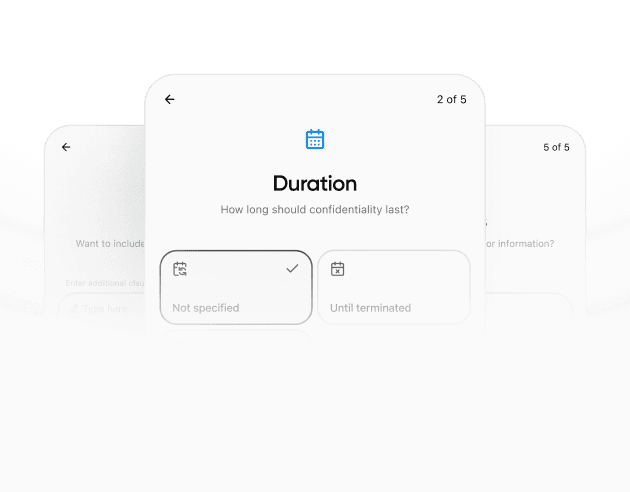
Provide details
The agreement is automatically filled and adapted to your inputs.
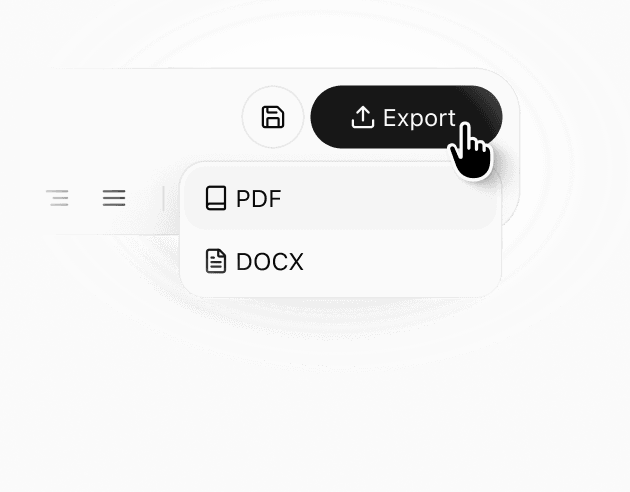
Review & download
Check the generated document, make edits if needed, and download a ready-to-use agreement.
Details
Learn more about
Credit Card Authorization Template – California
California Credit Card Authorization Template FAQ
What is the main purpose of a credit card authorization form?
It creates a written record that the cardholder gave permission for a specific charge or a defined recurring schedule. The form ties consent to concrete details such as the amount, frequency, start date, and descriptor that may appear on the statement. For merchants, this reduces ambiguity about what was authorized. For customers, it clarifies what they agreed to and where to send a cancellation notice if recurring billing applies.
When is a signed authorization form most useful?
It is especially helpful for card-not-present situations, such as phone orders, emailed approvals, deposits, or subscription billing where the customer is not physically present to insert the card. It also helps when a customer authorizes a future charge date, or when an invoice is paid after services are delivered. The value is strongest when the form is paired with a reference number and a clear descriptor.
How should I describe goods or services without oversharing customer details?
Use a brief description that identifies what is being purchased and ties it to an invoice or order number, without adding unnecessary personal information. A short phrase and a reference number is often enough for both parties to match the charge to the underlying transaction. If your business offers multiple services, describe the category and timeframe so the customer can recognize it on a statement.
What should I include for recurring charges to avoid confusion later?
Spell out the recurring amount, the billing frequency, the first charge date, and the end condition, such as a final date or “until cancelled.” If there is a maximum amount per billing period, include it so there is no ambiguity about caps. A simple timeline table can also help if charges vary by month or correlate to different invoices, because it makes the schedule easy to verify.
Does an authorization form prevent chargebacks automatically?
No. A signed authorization form is helpful documentation, but banks and card networks decide disputes under their own rules. The form strengthens your position by showing the customer’s consent to the specific terms. To improve clarity, keep the descriptor consistent, include the customer’s contact email, and retain the signed copy with the related invoice or order information.
How should cancellations be handled for recurring billing?
Use a written cancellation channel that is easy to locate, such as a billing email address and a mailing address, and state the number of business days needed to process the request. The goal is to set expectations so customers understand when billing stops and what may still be processed if a charge is already in progress. Keeping a record of the cancellation notice alongside the authorization is also helpful.
Can I reuse the same authorization for multiple separate purchases?
You can, but only if the form clearly describes what future charges are authorized. If purchases are unrelated or amounts and schedules are unknown, it is safer to use a fresh authorization tied to each order or invoice. A tightly scoped form is clearer for the cardholder and easier to support if there is a later question about whether a particular charge was within the consent granted.
Similar templates