AI Assisted
Export: PDF & DOCX
Get your custom agreement in minutes
4.8 Rating
Downloaded 4091 times
Get your complete
agreement in minutes
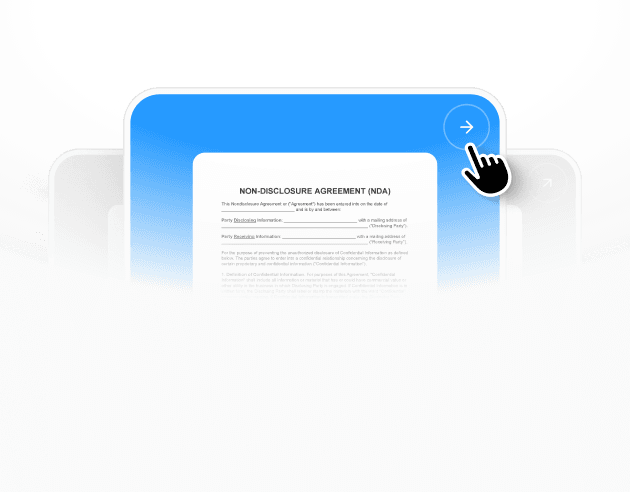
Select a template
Each template already follows legal structure and best practices.
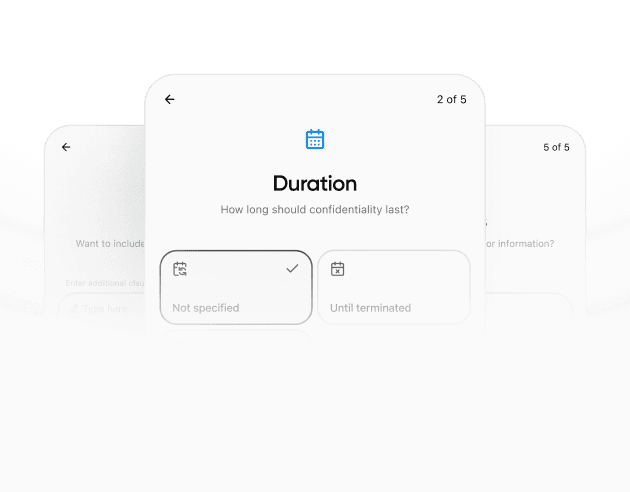
Provide details
The agreement is automatically filled and adapted to your inputs.
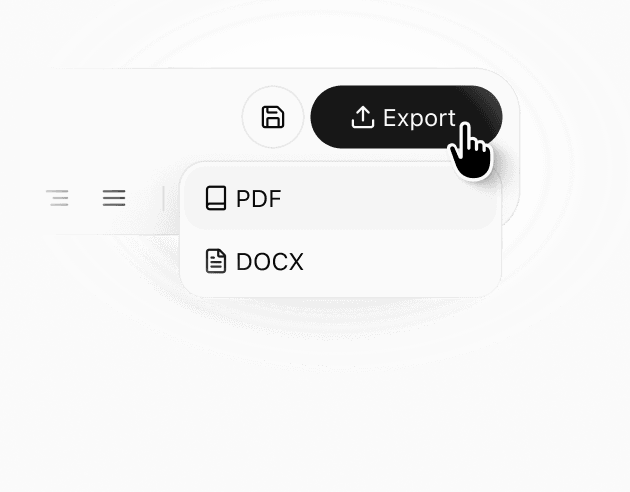
Review & download
Check the generated document, make edits if needed, and download a ready-to-use agreement.
Details
Learn more about
Credit Application Form Template – Texas
Texas Credit Application Form Template FAQ
Why use a trade reference comparison table instead of free-form references?
A table makes it easier for a creditor to verify references quickly because each reference is presented with the same fields: a contact method, an account identifier, the terms, and the typical balance. That consistency reduces the chance that a reviewer has to follow up for missing details. It also helps you choose the strongest references — recent vendors with clear payment histories — rather than listing contacts who cannot confirm account activity. If you are requesting net terms, the table format highlights whether your reference accounts already reflect similar terms.
What does “intended use of credit” change in underwriting?
Intended use can help a reviewer understand the business rationale for the requested limit and terms. Working capital requests may be evaluated differently than a request tied to a specific equipment purchase or seasonal inventory build. A clear use statement can also guide what documents the creditor asks for next. For example, equipment-oriented requests may pair well with a collateral or equipment addendum, while inventory-focused requests may pair with AR/AP aging. The goal is to align the request with verifiable cash flow and repayment capacity.
When is an equipment or collateral addendum helpful?
A collateral addendum is helpful when the credit product is secured or when the creditor wants to understand the tangible value supporting the account. Even if the creditor ultimately offers unsecured terms, a clear list of equipment or other assets can reduce uncertainty about the business’s operating base. If you include collateral details, use identifiers like serial numbers or category groupings so the description is actionable. Avoid vague descriptions that create uncertainty about what is being referenced, especially if the addendum might be used later to document security interests.
What should you put in a debt schedule for a small business application?
A debt schedule should list each lender, the current balance, the interest rate, the maturity date, and any collateral tied to the obligation. This helps the creditor understand your existing repayment load and whether prior lenders already have claims on key assets. A clear schedule also prevents surprises if underwriting discovers obligations that were not disclosed. If your debt includes revolving lines, include the current utilization and the limit so the reviewer can see how much capacity remains. Consistency with your financial statements is important.
Why does the form ask for authorized users and purchasing controls?
Authorized user fields help manage operational risk after approval. Creditors want to know who can place orders, who can request changes to limits, and who should receive billing notices. Clear purchasing controls can also prevent internal fraud or unauthorized purchases within the applicant organization. If you use purchase orders or a portal, stating that method up front can reduce onboarding friction. The goal is to align account authority with your internal controls so the credit relationship runs smoothly once the line is active.
Do you need a personal guaranty for every business credit request?
Requirements vary by creditor and by risk profile. Some businesses can obtain trade terms or revolving credit without a guaranty, while others may be asked for one based on time in business, credit history, requested limit, or limited financial documentation. If a guaranty is required, it is important that the guarantor information is complete and that the signing party understands the continuing nature of the obligation. Keeping the guaranty in a separate section helps the creditor apply it only when needed rather than treating it as automatic.
What’s one practical way to avoid delays after submitting the application?
Make the application verifiable on the first pass. That means providing reachable reference contacts, including last-four digits for bank accounts, and supplying financial documents that match the numbers you entered on the form. It also helps to designate a single decision contact who can respond quickly to follow-up questions. Delays often come from missing phone numbers, outdated emails, or mismatches between stated revenue and the documentation provided. A tidy submission packet tends to move through underwriting with fewer interruptions.
Similar templates