AI Assisted
Export: PDF & DOCX
Get your custom agreement in minutes
4.8 Rating
Downloaded 4488 times
Get your complete
agreement in minutes
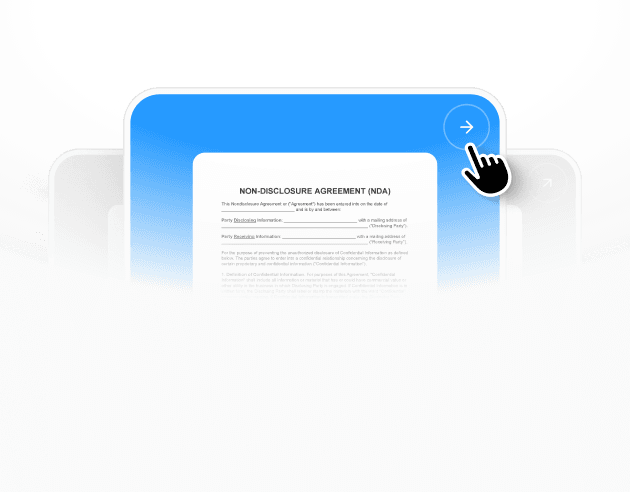
Select a template
Each template already follows legal structure and best practices.
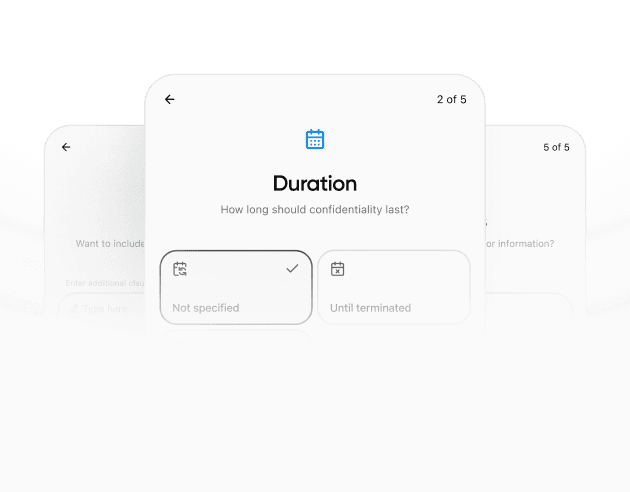
Provide details
The agreement is automatically filled and adapted to your inputs.
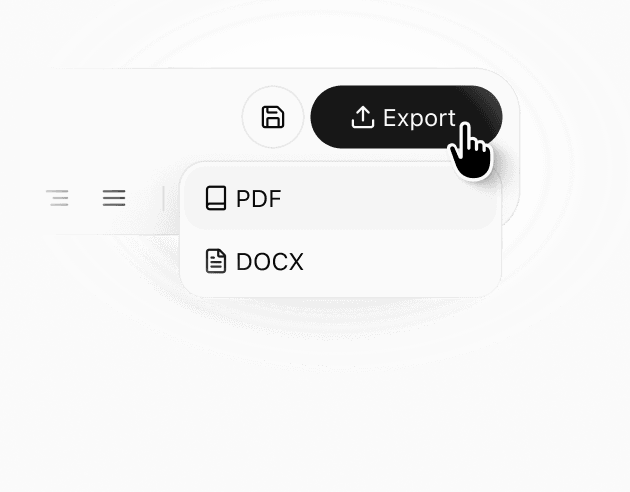
Review & download
Check the generated document, make edits if needed, and download a ready-to-use agreement.
Details
Learn more about
Credit Application Form Template – Illinois
Illinois Credit Application Form Template FAQ
Why start the form with a compliance and disclosure section?
Placing compliance fields up front helps applicants understand what identity and screening information may be needed before underwriting can begin. It also provides a structured place to record how privacy notices and related communications will be delivered. When a lender or supplier receives applications in batches, having compliance fields consistently completed can reduce back-and-forth and help the reviewer decide what supporting documents are necessary. The goal is not to add complexity, but to make the intake process clearer by separating compliance items from the financial and operational sections of the application.
How does a document intake tracker improve the underwriting process?
A tracker turns document collection into a checklist that both sides can follow. Instead of repeated email threads asking what has been provided, the tracker shows what is required, what has been received, and where it can be found. This is particularly helpful when multiple people contribute documents, such as finance teams and authorized signers. The tracker also reduces the risk of reviewing outdated files because the date received is recorded. If you want a cleaner intake packet with consistent tables and headings, AI Lawyer can generate a polished version tailored to your workflow.
What is the best way to report revenue and debt information?
Use numbers you can support with documents and keep the reporting period consistent. For businesses, annual revenue should reflect the last fiscal year, while YTD revenue should reflect the same cut-off date across supporting materials. For debt, list each lender, current balance, interest rate, and maturity date so the reviewer can assess repayment load and timing. Vague entries like “various loans” tend to trigger follow-up questions. Consistency across your financial statements, bank data, and the application itself is usually more important than precision to the dollar.
Do trade references matter if you already provide financial statements?
Yes, because references can demonstrate payment behavior under terms that resemble the credit you are requesting. Financial statements show capacity, but trade references can show performance and reliability with vendors or lenders. If you are requesting net terms, references that confirm timely payments under similar terms can be persuasive. The strongest references have a named contact who can respond quickly and confirm account history. If you cannot provide trade references, creditors may rely more heavily on bank verification or request additional documents.
How should authorized user permissions be defined?
Permissions should reflect your internal controls. Some organizations want only a finance lead to request limit changes, while allowing operational staff to place orders. Defining permissions at the application stage helps prevent unauthorized changes and reduces confusion about who should receive statements and notices. If permissions are not defined, creditors may default to treating the signer as the only point of contact, which can create bottlenecks. Clear permissions also help if you later need to update authorized users due to staffing changes.
What should you consider before signing a personal guaranty?
A guaranty is a personal obligation tied to the business account terms, so it should be reviewed carefully to understand scope, duration, and how it can be revoked prospectively for future credit if permitted. Applicants should also confirm that the correct guarantor is signing and that the guaranty references the right account relationship. If the creditor requires multiple guarantors, the application should clearly capture each guarantor’s identity details. Keeping guaranty terms organized reduces confusion later if the business changes ownership or adds new authorized signers.
What does material change mean in the context of this application?
A material change generally refers to information that could affect credit risk or the account relationship, such as a significant revenue drop, a major ownership change, a new address, or new debt that meaningfully changes obligations. The clause is intended to keep application information accurate over time, especially if the account is reviewed for maintenance or limit increases. If material changes occur during underwriting, proactive disclosure can prevent delays caused by inconsistencies discovered later. Clear communication is often the simplest way to keep the process moving.
Similar templates