AI Assisted
Export: PDF & DOCX
Get your custom agreement in minutes
4.8 Rating
Downloaded 2445 times
Get your complete
agreement in minutes
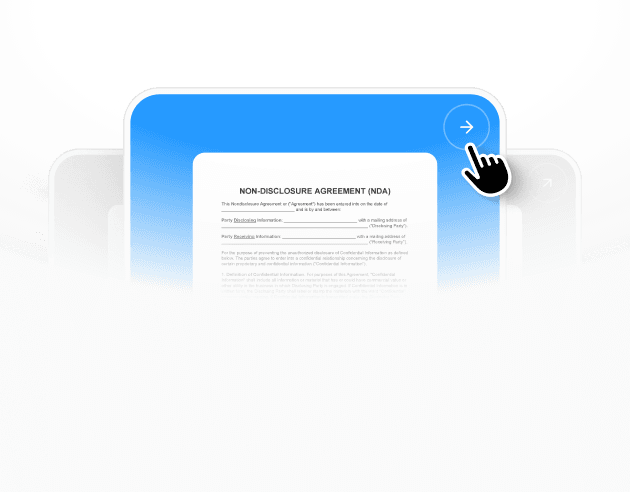
Select a template
Each template already follows legal structure and best practices.
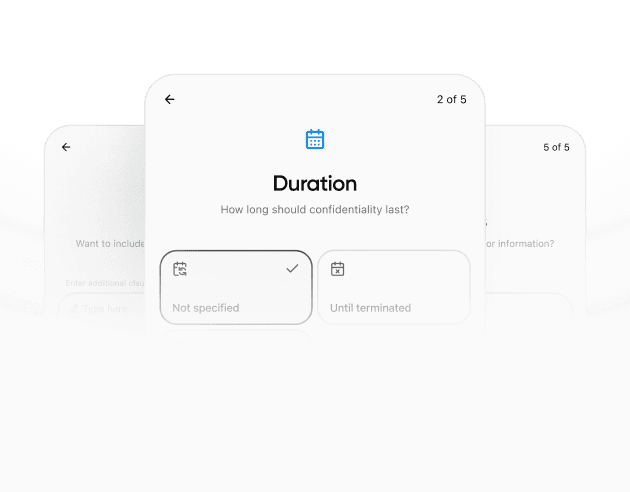
Provide details
The agreement is automatically filled and adapted to your inputs.
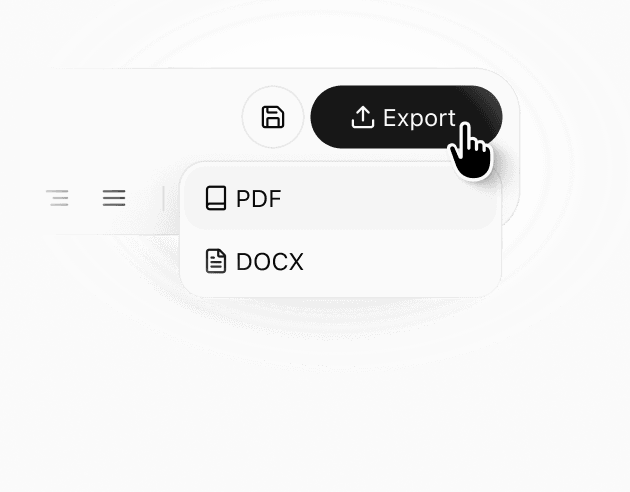
Review & download
Check the generated document, make edits if needed, and download a ready-to-use agreement.
Details
Learn more about
ACH Authorization Form Template – New York
New York ACH Authorization Form Template FAQ
When should a business request an ACH authorization instead of taking card payments?
Businesses often request ACH authorization when payments are recurring, amounts are high, or bank-to-bank transfers are preferred for cost and stability. ACH can be useful for subscriptions, retainers, rent, and other repeat billing where customers want fewer card expirations and fewer declines tied to card limits. The authorization form provides documented consent and a clear record of the schedule, amount, and cancellation process. The key is that the customer understands what will be withdrawn and when. A clear form paired with consistent invoicing or billing notices tends to reduce disputes and improves collection reliability.
What is the difference between a fixed recurring ACH and a variable ACH authorization?
A fixed recurring ACH authorization allows the same amount to be debited on a stated schedule, such as monthly on a given date. A variable authorization allows the amount to change, usually based on invoices, but should include a maximum cap and a reference method so the payer can match each debit to a bill. Variable authorizations are useful for usage-based services or changing balances, but they need tighter controls to avoid surprises. The form should make it clear which type is being used, because the payer’s expectations are different. Clear selection and caps are the main protections for both sides.
Why does the New York version include a billing calendar table?
A billing calendar table provides a single place to record upcoming debit dates and the billing periods they cover. This can reduce confusion when customers ask what a debit relates to or when a holiday shifts processing timing. A calendar view also helps internal teams align invoices, notices, and debits without relying on separate spreadsheets. If the authorization ends on a certain date, the calendar can also show the final scheduled debit. The table is meant to improve operational clarity and reduce disputes, especially for recurring plans where the customer expects consistent timing. It is a workflow tool that complements the authorization terms.
What should be included to document customer consent clearly?
Consent is clearest when the authorization states the payee name, the debit type, the amount rules, the effective date, and the cancellation procedure, and the payer signs and dates the form. If an electronic signature is used, capturing the signature method and an audit or transaction ID can strengthen the record. It also helps to include the payer’s name as it appears on the account and a contact channel so confirmation questions can be resolved quickly. The goal is to make it obvious that the payer knowingly authorized debits under stated terms. A clean signature record is often the most valuable piece if a payment is later questioned.
How should a business handle rejected or returned ACH debits?
The form can state that debits may be rejected for insufficient funds or incorrect details and that bank fees may apply where permitted by your policy. Operationally, it helps to document each return event with a date, the affected debit amount, and what follow-up occurred. If you plan to retry a debit, the authorization can reference your retry approach in a neutral way, such as allowing correction entries or resubmission after notice. The goal is to avoid surprise retries and to keep records clear. Consistent internal tracking reduces customer confusion and supports faster resolution when a return occurs.
Can the payer revoke authorization, and how fast does it take effect?
Most authorizations allow the payer to revoke by providing written notice to the business with a defined lead time before the next scheduled debit. The lead time is important because ACH entries may be initiated before the debit date as part of processing. The form should specify where revocation notice must be sent and how many business days are required so both sides have a clear expectation. If a debit is already in process, the form can state that it may still be processed. Clear revocation terms reduce disputes and help the business manage billing transitions without disruption.
Should the authorization form include an invoice or account reference field?
Including an invoice, customer ID, or account reference is helpful because it ties the authorization to a specific relationship and reduces misapplication of payments. This becomes especially important when a payer has multiple accounts, locations, or services with the same business. A reference field also helps internal teams reconcile bank deposits to the correct ledger entry without manual guessing. For variable payments, a reference field supports transparency because each debit can be tied back to an invoice number. The goal is to make the payment trail auditable and easy to explain if a payer questions a debit months later.
Similar templates