AI Assisted
Export: PDF & DOCX
Get your custom agreement in minutes
4.8 Rating
Downloaded 2651 times
Get your complete
agreement in minutes
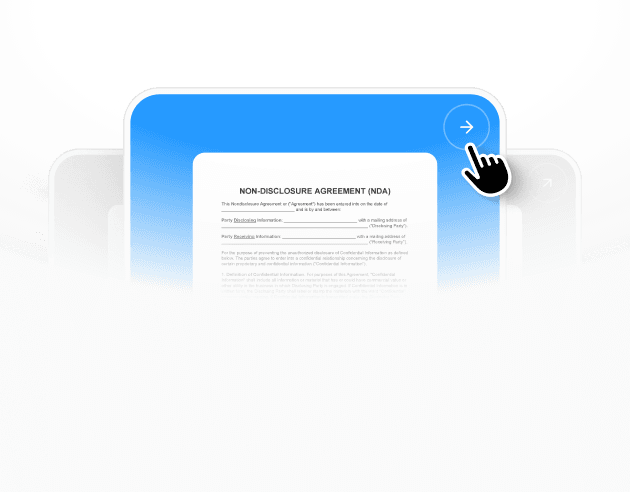
Select a template
Each template already follows legal structure and best practices.
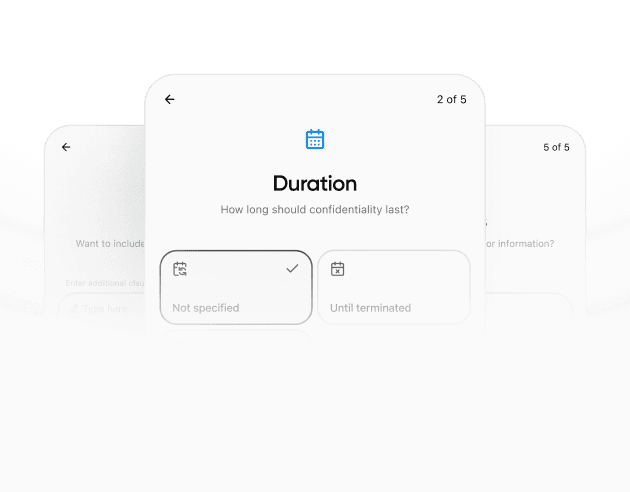
Provide details
The agreement is automatically filled and adapted to your inputs.
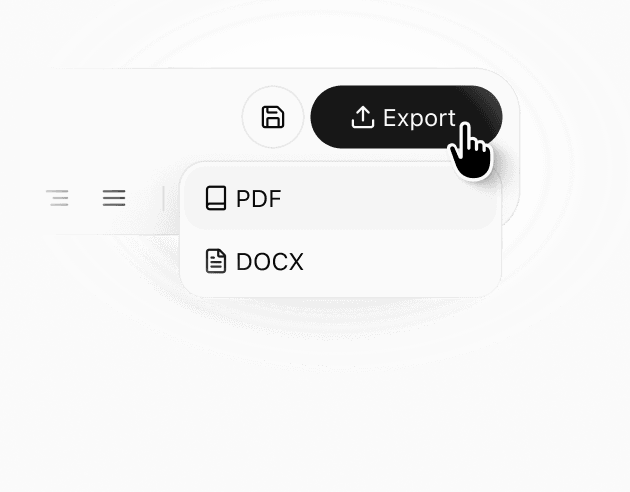
Review & download
Check the generated document, make edits if needed, and download a ready-to-use agreement.
Details
Learn more about
ACH Authorization Form Template – Florida
Florida ACH Authorization Form Template FAQ
What is the best way to present ACH payment options to a customer?
Customers are more likely to complete an ACH authorization when the payment choice is simple and the form clearly shows which option is selected. A clean layout that separates one-time, recurring, and variable payment choices reduces mistakes. It also helps to state the exact amount rules and effective dates in the same section as the selection, so customers do not have to search the page. If variable payments are allowed, a maximum cap and invoice reference field provide reassurance that debits are bounded. The goal is to make the authorization feel predictable and transparent, which reduces hesitation and reduces later disputes about what was agreed.
Why does the Florida version start with a payment selection table?
Starting with a selection table makes it immediately clear which authorization type applies and forces completion of the key fields for that option. The table also helps internal teams verify that the customer selected only one path and that required values like amount, frequency, and maximum cap are not missing. This reduces the most common ACH processing problems: ambiguous authorization type and incomplete billing parameters. A structured selection table can be especially helpful when the form is completed remotely or scanned, because the chosen option and the relevant values are grouped together. It is designed to improve clarity, not to add complexity.
How should a business handle ACH fees from returned payments?
If your policy is to pass through bank fees, the form can state that the payer is responsible for fees incurred due to failed transactions, and it can identify how those fees will be billed. Internally, it helps to log the return event, the fee amount, and the invoice reference used to collect it. Whether you charge a separate fee or simply record bank fees, consistency in documentation matters. The goal is to avoid surprises and to ensure the payer understands the consequence of insufficient funds or incorrect account details. A clear record also helps if a payer questions why an additional charge appeared after a failed debit.
Can the authorization be limited to a specific contract or account?
Yes. Adding a contract number, account ID, or invoice prefix helps ensure the authorization is used only for the intended relationship. This is particularly important when a payer has multiple services with the same business or multiple locations billed under one name. A limitation field also improves internal controls because staff can confirm they are charging the correct account before initiating a debit. For variable payments, tying the authorization to invoice references can also reduce disputes because each debit can be matched to a specific statement. The goal is to prevent accidental cross-charging and to make the payment trail easy to audit.
What effective date choices should be included for recurring debits?
Recurring debits typically need a start date and then either an end date or an until-revoked option. If the authorization is tied to a fixed-term agreement, an end date can help prevent unintended continuation after the term ends. If the authorization is meant to continue, the until-revoked choice should be paired with clear notice timing for cancellation. Including both options lets the payer choose what fits the arrangement. The key is to avoid vague language that leaves the duration unclear. Clear dates and duration terms reduce cancellations disputes and prevent debits from continuing after a relationship ends.
Should the form include an option for same-day corrections or refunds?
Many businesses include language allowing credit entries to correct errors because it makes refunds and corrections easier to process without new paperwork. This can be helpful if an incorrect amount was debited or a duplicate debit occurred. The authorization should keep correction language limited to error corrections so it cannot be interpreted as permission for unrelated credits or transfers. Adding a place to record a correction reference ID can also help with reconciliation. The goal is a smoother correction workflow that protects both parties: the payer gets corrected promptly, and the business documents what happened and why.
How can I keep authorization records organized for audits or internal reviews?
Organizing authorization records is easier when each form has a reference ID, a clear effective date, and a defined record storage location. If the authorization is updated, maintaining a simple version history or change log helps show which bank details were current at a given time. Saving proof of cancellation notices and any correction entries in the same record folder also helps. The goal is to avoid having a signed form in one place and the supporting correspondence in another. Consistent recordkeeping reduces time spent searching and improves response speed when a customer questions a debit.
Similar templates