AI Assisted
Export: PDF & DOCX
Get your custom agreement in minutes
4.8 Rating
Downloaded 4476 times
Get your complete
agreement in minutes
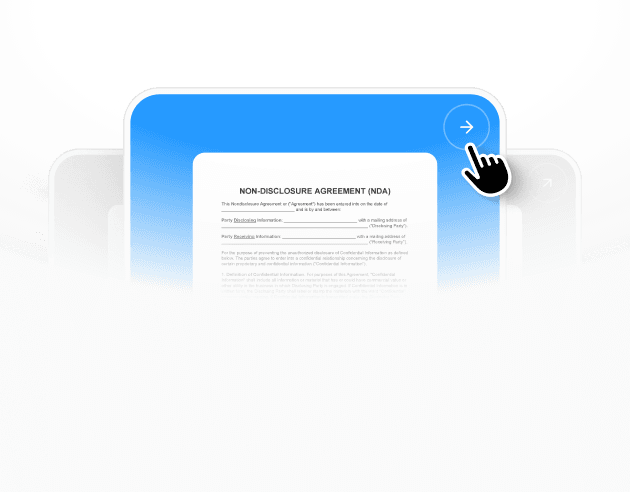
Select a template
Each template already follows legal structure and best practices.
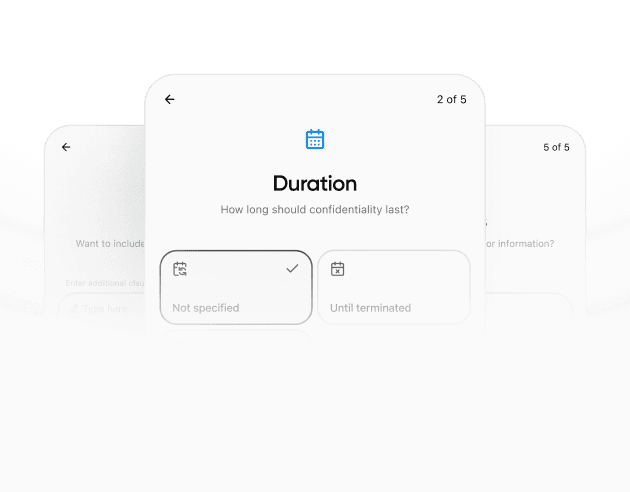
Provide details
The agreement is automatically filled and adapted to your inputs.
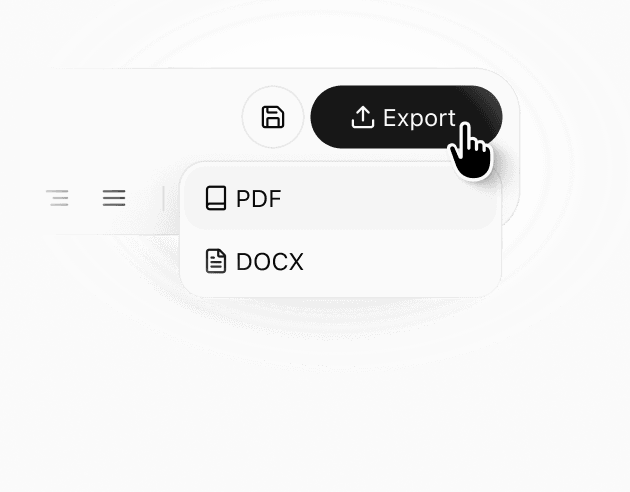
Review & download
Check the generated document, make edits if needed, and download a ready-to-use agreement.
Details
Learn more about
Internship Offer Letter Template – New York
New York Internship Offer Letter Template FAQ
What should an intern look for first in an offer letter?
An intern should start by confirming the role title, dates, schedule, and pay or credit arrangement. Those terms determine availability, budgeting, and whether the internship aligns with school requirements. Next, review the work location and modality so you understand any on-site expectations and time zone requirements. Finally, confirm who the supervisor is and how support will work during onboarding. This New York version places compensation first and includes a contact matrix so you know exactly who handles payroll questions, IT access issues, and project feedback.
How do stipends and hourly pay differ in practice?
Hourly pay typically tracks time worked and is processed through payroll based on hours reported, while a stipend is often a fixed amount paid on a set frequency. Both approaches should state when payments occur and what forms must be completed before the first day. If an internship is credit-only, the offer letter should clearly say so to avoid misunderstandings about compensation. The best practice is to ensure the chosen format is consistent across the letter and matches what the intern was told during recruiting. If there are bonuses or reimbursements, list them clearly in placeholders so they are explicit.
Why include a key contacts matrix in an offer letter?
Interns often have questions that span multiple teams: supervisor feedback, HR onboarding, and IT access. A key contacts matrix reduces delays by showing who to contact for each category and what response window to expect. This is useful in the first two weeks when new hires may not know internal processes. It also helps supervisors delegate onboarding tasks without confusion. The matrix is intentionally short so it stays readable and does not replace internal handbooks. Instead, it creates a clear routing list that supports a smoother start and fewer missed messages.
How can an offer letter address portfolio use without being overly restrictive?
A balanced approach is to require permission for public posting of company materials while allowing the intern to describe general skills and non-confidential work experience. Many organizations handle specifics through a separate confidentiality agreement, but the offer letter can still set expectations. For example, it can say that project artifacts, screenshots, code, or client names require approval, while high-level descriptions may be allowed. The key is clarity: interns should know what they can share and what needs review. When in doubt, an approval workflow prevents accidental disclosure.
What does “contingent upon verification” mean for an internship?
A contingency clause means the offer depends on completing specified checks or authorizations, such as right-to-work verification, conflict review, or school approval. It does not necessarily mean the company expects problems; it is a standard way to confirm that prerequisites are met before the internship starts. Interns should provide requested documents promptly to avoid start-date delays. If a contingency cannot be completed by the intended start date, the parties can adjust dates by written agreement. Keeping contingencies listed in one section prevents confusion about what is required.
If an internship is cut short, what happens to deliverables and access?
If an internship ends early, the company typically expects a handoff of work in progress and the return of any devices, badges, and access credentials. The offer letter can set expectations that accounts may be disabled and that company materials remain confidential. Interns can help by maintaining organized notes and using company-approved tools so handoff is straightforward. If an extension is requested instead, it should be documented in writing. Clear contacts and communication preferences also help ensure the intern knows who to notify promptly if circumstances change.
Similar templates