AI Assisted
Export: PDF & DOCX
Get your custom agreement in minutes
4.8 Rating
Downloaded 4338 times
Get your complete
agreement in minutes
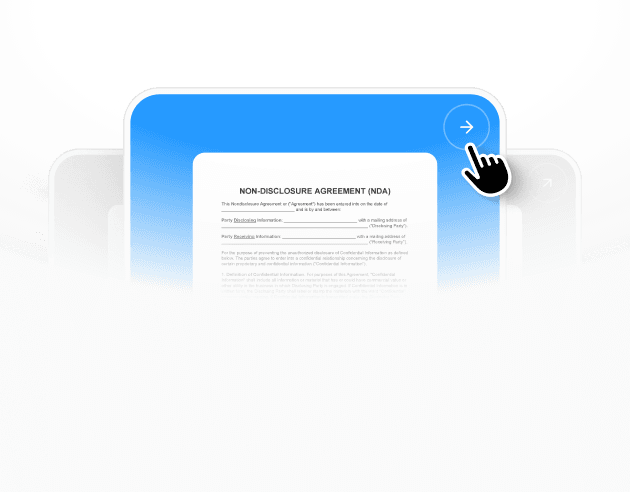
Select a template
Each template already follows legal structure and best practices.
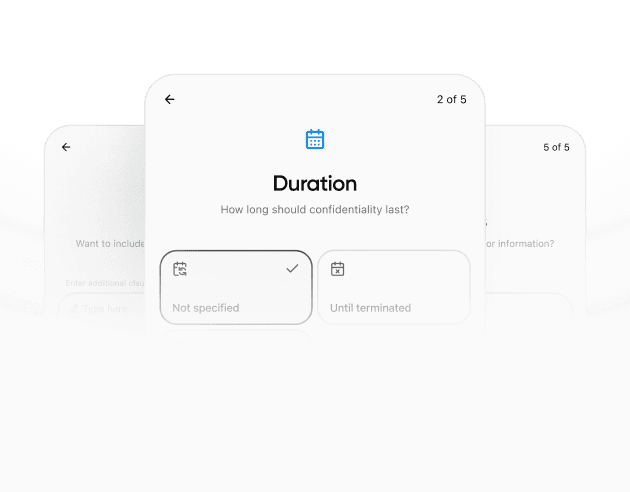
Provide details
The agreement is automatically filled and adapted to your inputs.
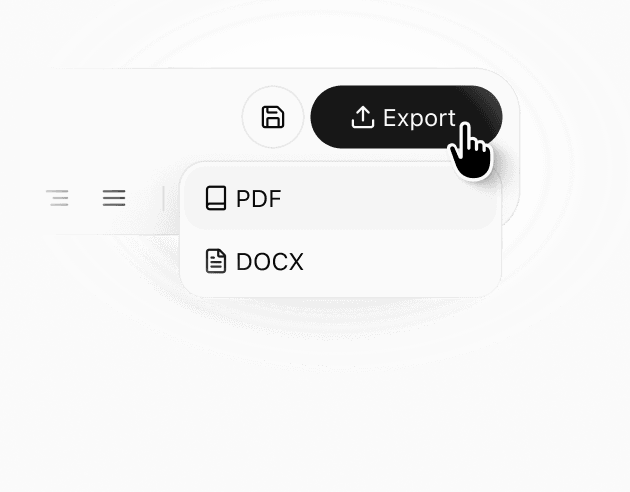
Review & download
Check the generated document, make edits if needed, and download a ready-to-use agreement.
Details
Learn more about
Employment Disciplinary Letter Template – Illinois
Illinois Employment Disciplinary Letter Template FAQ
How can issue classification improve consistency across supervisors?
Classification gives managers a shared way to describe similar problems, which can reduce uneven documentation across departments. By capturing a category, a subtype, and a severity level tied to practical impact, the letter becomes easier to compare with other cases. This can help HR review whether expectations and discipline levels are being applied consistently. Classification also encourages clarity because it forces the writer to identify what type of problem it is, rather than relying on vague descriptions. It should remain a recordkeeping tool, supported by the factual narrative in the letter.
What does a severity scale mean in a disciplinary context?
A severity scale is a way to record how serious the issue appears based on impact and context, not a legal judgment. For example, a one-time minor error might be lower severity than repeated failures that affect safety or customers. Using a scale can help determine what level of support and follow-up is appropriate. The scale should be applied consistently and explained through facts and impact. If the scale is used, avoid using it as the only justification for discipline; the letter still needs dates, facts, and a clear corrective plan.
How should employers document repeated minor issues without writing a long letter?
Use a concise facts section that identifies the pattern and provides representative examples with dates, then rely on the prior-coaching line and referenced records for additional detail. A short classification row can also capture that the issue is repetitive, even if each instance is small. The corrective actions should focus on breaking the pattern through measurable steps, such as punctuality requirements over a review period or quality checks for a defined timeframe. Keeping the letter readable often improves its effectiveness, because the employee can quickly understand what changes are expected.
What should be included in the evidence checklist fields?
The evidence checklist should identify the types of records relied on, such as timekeeping reports, written communications, tickets, or written statements, and where they are stored. The purpose is to make the file reviewable without attaching sensitive materials to every copy of the letter. Keeping evidence references high-level also helps protect privacy. If a specific record is critical, include an identifier like a report ID or a ticket number. The checklist should support the facts in the letter, not replace them.
Is it better to include support resources even for conduct issues?
Support resources can be appropriate when they are relevant and realistic. For example, coaching on communication norms or training on a policy can be meaningful even in conduct matters. Support does not excuse misconduct, but it can clarify that the employer is providing a path to meet expectations. If the issue is serious, the corrective plan may be stricter and the follow-up window shorter, but listing the specific resources offered can still reduce ambiguity. The key is that the letter clearly states what behavior must change and by when.
How should the acknowledgment be explained during delivery?
Most acknowledgments are designed to confirm receipt, not agreement. Explaining that distinction can reduce conflict and increase the chance the employee will sign. If the employee declines, the witness line can document delivery. Employees who disagree can use the response section to record their position. Clear delivery practices help the file remain reliable and reduce later disputes about whether the employee was informed of expectations and deadlines.
Similar templates