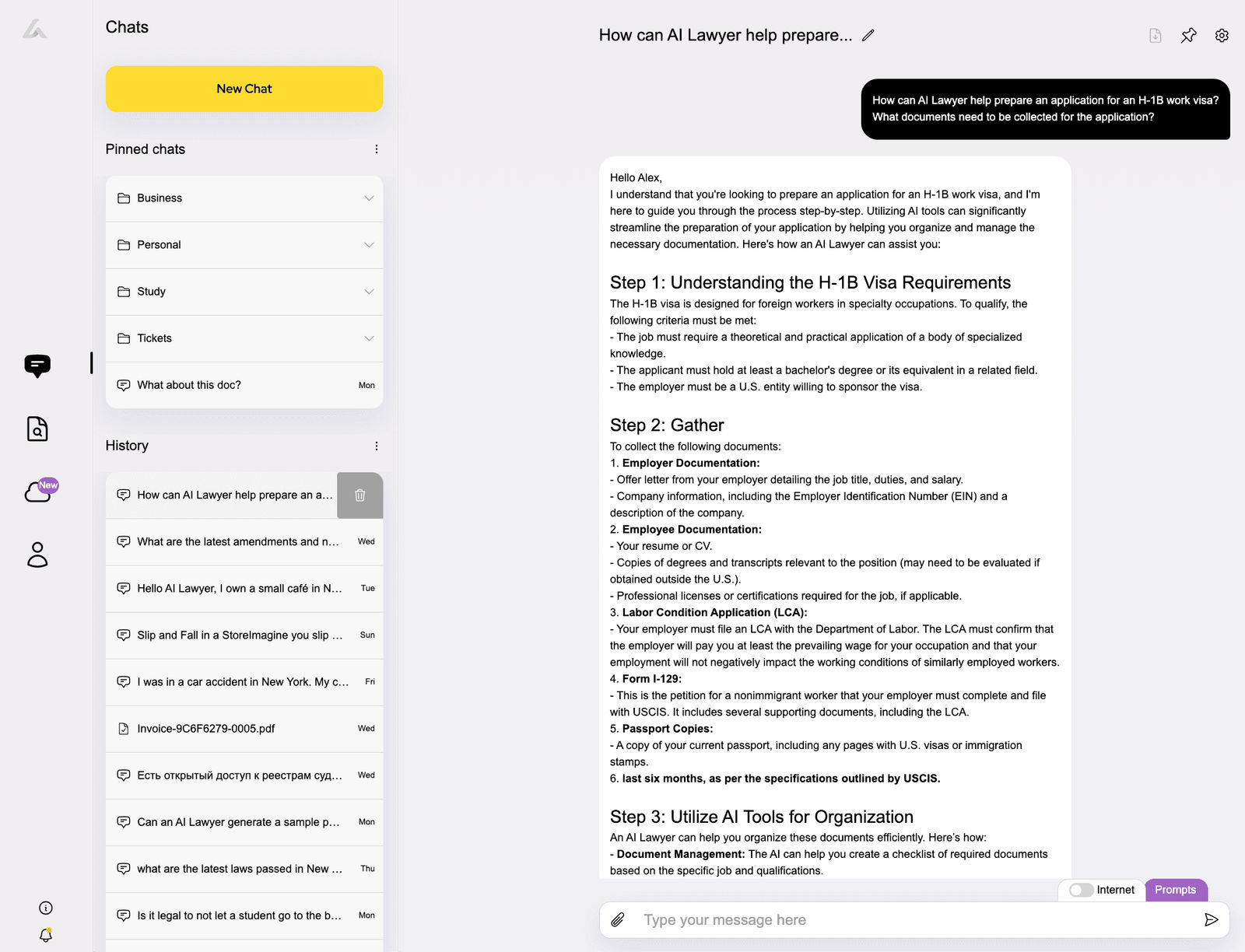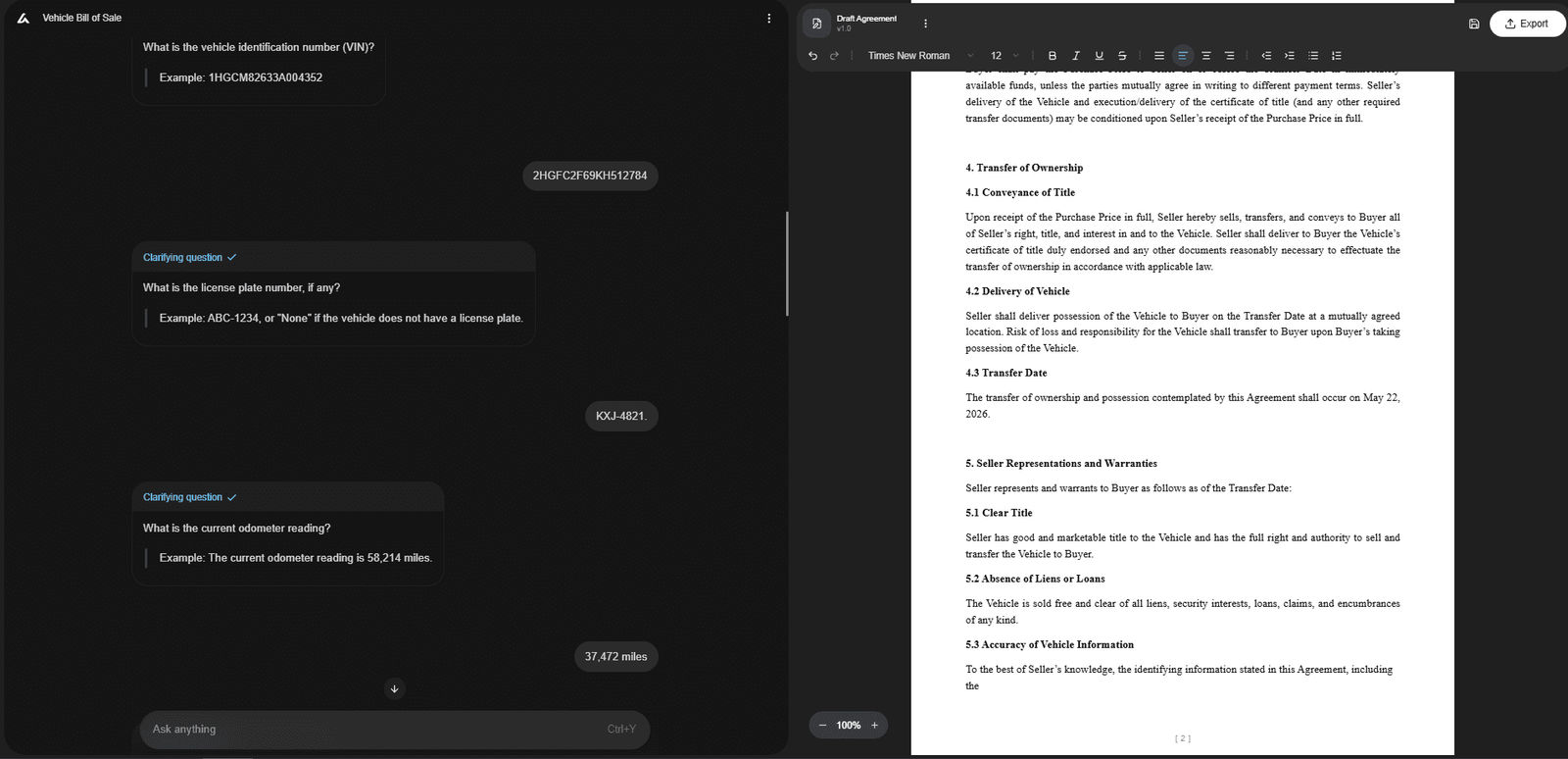



U.S. immigration paperwork is rarely just one form. Most USCIS cases involve a full package of forms, supporting documents, and short explanations that must match each other and follow official filing instructions.
This guide is meant to give you a clear, simple “map” of how U.S. immigration documents work in real life. It is written for regular people who are preparing family, employment or humanitarian cases, renewing a green card, or thinking about citizenship. We’ll show how the pieces of your package fit together, where templates and AI tools can help you draft letters and explanations, and where you must rely only on official instructions and trusted government sources like USCIS.gov and USA.gov.
Important disclaimer: this material is for general information only, is not legal advice, does not create an attorney–client relationship and does not guarantee any outcome in your case. It does not replace the official instructions for each form and does not replace a consultation with a qualified immigration attorney or accredited representative before you file anything.
You Might Also Like:
-
GEI for lawyers: unemployment, PMI and legal risk — a practical guide
-
Injury Report Templates: OSHA-Ready Forms, Examples & Step-by-Step Reporting Guide
What U.S. Immigration Documents Are and How They Work
When people talk about “immigration documents” or “immigration paperwork”, they are almost never talking about just one form. In real life, your immigration documents are the entire package you submit to the government: forms, evidence and explanations that together tell one consistent story.
“Immigration documents” is the broadest idea. It can include your USCIS forms, passport, birth and marriage certificates, basic financial records, police or court records, medical reports, photos, translations, letters of support and your cover letter. When USCIS asks for “additional evidence”, they are asking you to strengthen this package with more proof or clearer explanations, not to invent a new form.
By contrast, “immigration forms” or “USCIS forms” are specific official tools for specific purposes, not just generic paperwork. Form I-130 petitions for a qualifying family member, Form I-485 is for a green card through adjustment of status, Form I-765 is for a work permit, Form I-90 is for green card renewal, Form N-400 is for citizenship, and so on. The safe practice is always the same: download the current edition of each form and its instructions directly from the official USCIS Forms page instead of reusing old PDFs or samples from the internet.
People often say “immigration application” as if it were a single document. In reality, an immigration application is the whole request for an immigration benefit – the forms you sign, the supporting documents you attach and the short explanations you write. Most U.S. immigration packages follow the same internal logic: the forms are the skeleton, the evidence is the body and your explanations are the voice of the case.
Because of this, it is critical that your official forms and instructions come only from official government websites like USCIS.gov and, for many visa issues, travel.state.gov, rather than from unofficial templates or social media. Those sites give you the correct form edition, the current fee and the proper filing address or online option. Templates and AI tools are most useful “around” the forms – for language, structure and organization – while the legal rules and overall strategy must still come from official instructions and, where needed, a qualified professional.
Step-by-step: How the U.S. immigration process works
For most people, the U.S. immigration process is not “one form and you’re done.” It is a chain of choices and steps: choosing the right path, checking if you qualify now, preparing a package, filing it correctly, answering questions and then living with the status you receive.
This section gives you a practical roadmap and shows where templates and AI tools can help with language and structure, and where you must rely on official rules and, if needed, a professional.
Step 1 – Choosing the real path (not just a random form)
The first question is not “Which form do I download?”, but “Which immigration path actually fits my life?”. A U.S. citizen petitioning a spouse, an employer sponsoring a worker, a person asking for asylum, and a green card holder applying for citizenship are all in different legal categories with different rules and “families” of forms.
Instead of chasing form numbers from forums or social media, you start by naming the correct path: family-based, employment-based, humanitarian, investment, student, visitor, long-term residence or naturalization. Once you know the path, the forms, evidence and timelines for that path start to make sense, and you avoid sending a mixed message to the government.
Step 2 – Checking eligibility and timing
After you name the path, you have to ask two hard questions: “Do I qualify?” and “Do I qualify now?” Each category has its own eligibility rules: who can sponsor you, what relationship or job offer you need, how long you must have had a certain status, what kind of risk or hardship you must show, and so on.
Timing matters just as much as the rules. Some categories are “current” and can be filed immediately, others are stuck in long lines or depend on priority dates. Some benefits are only available after you have held a green card for a certain number of years or have lived in the U.S. for a specific period. Before you spend money on fees and medical exams, you want a realistic picture that your path exists for you at this moment.
Step 3 – Preparing forms, evidence, and explanations
Only after you understand your path and timing does it make sense to work on the actual paperwork. Now you identify the main forms, download the current editions from official government websites, and read the instructions so you know what information and documents are required.
You then collect evidence that proves what your forms say: passports and visas, birth and marriage certificates, tax returns, pay stubs, bank statements, photos, police or court records, school records, letters of support and other documents. Finally, you add short explanations – cover letters, personal statements, timelines and clarifying notes – so the officer can follow the story.
This is where templates and AI tools are especially helpful: they can turn messy notes into a clear letter, help you structure a hardship statement, or improve your English. But they are helpers, not decision-makers – the facts and strategy must still come from you, the official instructions and, when needed, a qualified professional.
Step 4 – Filing in the right place, in the right way
A strong package can still go wrong if you file it incorrectly. Where and how you file depends on the type of application and whether you are applying inside the U.S. or through a U.S. embassy or consulate abroad.
If you are in the United States and eligible for adjustment of status, you usually file with USCIS, sometimes online and sometimes by mailing a paper package to a specific address. If you are outside the U.S., many processes use consular processing: USCIS first, then the National Visa Center (NVC), then an interview at a U.S. embassy or consulate.
At this stage, details matter: the correct form edition, the right fee, required signatures, including all pages, and using the correct address. A short, clear cover letter that lists what you are filing and what you are asking for helps the officer quickly understand your case.
Step 5 – Waiting, tracking, and answering questions
After filing, it feels like everything is out of your hands, but you still have important responsibilities. USCIS usually sends you a receipt notice with a case number, which you can use to track your status online and prove that you filed on time. You may also receive a biometrics appointment, medical exam instructions or messages from the National Visa Center.
If something is missing or unclear, the government can send a Request for Evidence (RFE) or a Notice of Intent to Deny (NOID). These letters have deadlines and require a calm, complete response. Templates and AI can help you organize your answer, list the documents you are sending and explain your situation clearly, but you still must decide which facts and documents to include and, in serious cases, when to talk to an attorney.
Step 6 – Interviews and final decision
For many types of cases – especially marriage-based green cards, some employment categories and most naturalization cases – an interview is where your paperwork “comes alive.” An officer compares what you say in person with what is written in your forms and evidence.
If your documents are honest, consistent and well-organized, the interview often feels like a structured conversation. If your documents are messy or contradict each other, the interview can turn into an uncomfortable cross-check of everything you filed.
After the interview (or after paper review for cases without interviews), USCIS or a consular officer makes a decision: approval, denial, or sometimes a request for more information or a follow-up appointment.
Step 7 – After approval: keeping status, not just getting it
Approval feels like an ending, but legally it is the start of a new chapter. A visa, work permit, travel document, green card or naturalization certificate all come with conditions, deadlines and ongoing duties. You may need to renew documents, remove conditions, avoid long trips outside the U.S., keep a job or relationship, or file your taxes in a consistent way.
From the government’s point of view, you now have to maintain the status you worked so hard to get. Reading the official notices that arrive with your card, checking the relevant pages on government websites and asking questions before you take risky steps (like very long travel or big job changes) is just as important as preparing the original application.
In short, the U.S. immigration process is a long story told through forms, evidence and explanations. When you choose the right path, check eligibility honestly, prepare a clear package, file it correctly, respond to questions on time and respect the limits of your new status, you give the officer every chance to understand your case and decide it fairly.

Main Types of U.S. Immigration Paths and Their “Form Families”
Most real U.S. immigration cases don’t start with a form number – they start with a life situation. A U.S. citizen marries, a company hires, a person flees danger, a student is admitted to a school. Each of these situations belongs to an immigration path, and each path usually comes with a family of forms and evidence rather than a single document.
Thinking in terms of paths instead of random form numbers makes the system easier to understand. Below are several major paths many people use and the kinds of documents that usually travel together. Exact forms and rules can change, so you should always double-check details on official sites like USCIS.gov, the USCIS Forms page, USA.gov and travel.state.gov before filing anything.
Family-based immigration
Family-based immigration is about proving a real qualifying relationship and asking the government to recognize it for immigration purposes. A simple “family form family” might include:
-
a petition to prove the relationship (for example, Form I-130),
-
an application for permanent residence in the U.S. (for example, Form I-485) or immigrant visa processing through a U.S. consulate,
-
financial sponsorship documents (such as Form I-864),
-
and sometimes work/travel documents while the case is pending (for example, Form I-765 and Form I-131).
The evidence focuses on the reality and good faith of the relationship: civil records (marriage and birth certificates), joint leases and bank accounts, shared bills, photos, travel records and other proof of a shared life. Templates and AI tools can help with cover letters, relationship timelines and letters of support, but real proof always comes from your documents and daily life, not from wording alone.
Employment-based immigration
Employment-based paths connect a real job or specialized skill set to an immigration benefit. Some categories lead to temporary work status; others can lead to a green card. A typical employment “form family” might include:
-
an employer petition or certification (for example, a labor certification process or an immigrant petition such as Form I-140),
-
applications for work authorization or status in the U.S. or through a consulate,
-
and, in some cases, a later application for permanent residence (for example, Form I-485 for adjustment of status).
The evidence focuses on your job offer, qualifications and the needs of the employer: contracts, detailed job descriptions, résumés, degrees, licenses, reference letters, pay records and business documents. Templates and AI tools can help you draft clear job descriptions, professional reference letters and concise explanations of your role, while the eligibility rules still come from official instructions and policy on USCIS.gov.
Investment and business routes
Investment and business routes focus on showing that your capital, business plan or executive role meets very specific rules and benefits the U.S. economy. The immediate result may be a temporary status; in some categories there can be a path to a green card.
A business-focused “form family” often includes:
-
petitions or applications linked to a specific investor or business category,
-
detailed business plans and financial evidence,
-
documents about ownership, control and source of funds.
The evidence is dominated by numbers and structure: corporate records, bank statements, tax returns, payroll, contracts, organizational charts and independent evaluations. Templates and AI tools can help you explain your business model in plain language, organize a complex story and polish cover letters, but they do not replace professional financial or legal advice in high-value cases.
Humanitarian paths
Humanitarian paths exist to protect people who would face serious harm if returned, or who have survived abuse, crime or trafficking. The immediate goal may be protection from removal, work authorization, a more secure temporary status or, in some categories, a future path to a green card.
The “form family” depends on the specific program but often revolves around:
-
a main application or petition for protection or special status,
-
detailed personal statements,
-
evidence of what happened and why it is not safe to return.
Evidence may include: declarations, country-conditions reports, police or court records, medical or psychological evaluations and letters from people who know your situation. Templates and AI tools can help you turn a long, emotional story into a clear, chronological statement and draft support letters, but they cannot invent facts. For complex or high-risk humanitarian cases, speaking with a qualified attorney or accredited representative is especially important.
Naturalization
Naturalization is the path from permanent resident to U.S. citizen. Many people think of it as “just one form,” but in reality it is another family of documents built around your years as a green card holder.
Along with the main citizenship application (such as Form N-400), officers look at evidence of residence, travel, tax compliance and any criminal or immigration history. They want to see how long and how continuously you have lived in the United States, where you have travelled, how you file your taxes and whether anything in your past raises legal questions.
Templates and AI tools can help you draft short, honest explanations for difficult parts of your history – for example, explaining a long trip abroad or an old incident – so your answers are clear and respectful. But those answers must still match your actual record and the official instructions from USCIS.gov.
Overview Table: Main U.S. Immigration Paths and Their “Form Families”
| Path / Category | Typical Long-Term Goal | Example Key Forms | Main Evidence Focus |
|---|---|---|---|
| Family-based | Green card, later possible citizenship | I-130, I-485, I-864, I-765, I-131 | Real, ongoing qualifying relationship; joint life |
| Employment-based | Work status, sometimes green card | Employer petition (e.g. I-140), I-485, work authorization forms | Job offer, qualifications, employer’s business needs |
| Investment / Business | Investor or business status, sometimes PR | Investor / business petitions, related applications | Amount and source of funds, business plan, jobs |
| Humanitarian | Protection, work authorization, stability | Main humanitarian application + related forms | Personal story, risk of harm, country conditions |
| Naturalization | U.S. citizenship | N-400 and related background forms | Residence and travel history, taxes, background |
Green Cards, Visas and Keeping Your Immigration Status Valid

One of the biggest sources of confusion in U.S. immigration is the difference between a visa, a green card, and citizenship — and what it really means to “keep your status valid.” Once you separate these ideas, it becomes much easier to understand what your documents do, when you need to renew them, and when you might need extra documents like a work permit or travel authorization.
A green card (Permanent Resident Card) is proof that you are a lawful permanent resident (LPR) of the United States. It allows you to live and work in the U.S. on a long-term basis, with the expectation that this is your primary home. The plastic card itself has an expiration date, but your underlying permanent resident status is not the same thing as the card — the status does not automatically disappear on the day the card expires.
A visa is normally a sticker in your passport issued by a U.S. embassy or consulate abroad. It lets you travel to a U.S. port of entry and ask to come in, but it does not control how long you can stay in the United States. That part is handled by your status after entry, which is recorded on your Form I-94 and usually shows either a specific “admit until” date or “D/S” (duration of status).
Citizenship is a different status again: it usually comes after years as a permanent resident and gives you full political rights (like voting in federal elections), a U.S. passport, and stronger protection from removal. A lot of people see a green card as a step on the way to citizenship, but having a green card does not automatically mean you are already a U.S. citizen.
If you want a quick official overview of these categories, you can look at the Green Card pages on USCIS.gov and the general green card and immigrant visa page on USA.gov.
What a U.S. green card actually is
On paper, “green card” is just the everyday name for lawful permanent resident status. The card is an identity document that proves that status and normally needs to be renewed every 10 years, unless you have a two-year “conditional” card based on a recent marriage or certain investor categories.
As a permanent resident, you generally have the right to:
-
**Live in the United States on a long-term basis, as long as you do not abandon your residence or become removable under immigration law.
** -
Work for most U.S. employers without a separate work permit, simply by presenting your valid green card as evidence of work authorization.
-
Travel in and out of the United States, as long as your trips and overall behavior do not suggest that you have moved your main home somewhere else.
At the same time, you take on specific responsibilities: filing U.S. tax returns correctly, respecting federal and state laws, updating your address with USCIS when you move, and avoiding certain criminal or immigration violations that can put your status at risk. USCIS summarizes these points on its page about rights and responsibilities of a green card holder and in its guidance on maintaining permanent residence.
Renewing or replacing your green card – Form I-90
If your green card is expiring, has been lost or stolen, or contains incorrect information (for example, after a legal name change), you normally use Form I-90 (Application to Replace Permanent Resident Card) to request a new card.
The key idea is that Form I-90 deals with the card, not with the status. If you are still a lawful permanent resident but the card is old, damaged, or wrong, I-90 is the standard way to fix the plastic, not to “apply again” for permanent residence. The official I-90 page on USCIS.gov and the renewal guide on USA.gov explain when to file, how to pay the fee, and where and how to submit the application.
In this guide we will later include a short sample cover letter you can adapt for an I-90 package or similar “card-fixing” filings, so you can briefly explain why you are renewing or replacing your card (for example, after a loss abroad) without overcomplicating things.
Removing conditions on a 2-year marriage green card – Form I-751
Some people do not receive a 10-year green card at first. If your residency was based on a relatively new marriage to a U.S. citizen or permanent resident at the time of approval, you may receive a 2-year “conditional” green card instead. The law then expects a second check-in on the marriage after those two years.
To turn that conditional status into a regular permanent residence, most marriage-based immigrants must file Form I-751 (Petition to Remove Conditions on Residence), usually during the 90-day window before the conditional card expires. If you miss that window without qualifying for a late filing, USCIS can terminate your conditional status, so this deadline is extremely important.
With I-751 you are essentially telling USCIS: “Our marriage is real and was not just for immigration, and here is updated proof of our life together,” or, in waiver cases, explaining why you still qualify even if the marriage ended or you cannot file jointly. Typical evidence includes newer joint documents, updated photos, possibly children’s birth certificates, and letters from people who know you as a couple. A clear cover letter and a simple relationship timeline often make it much easier for an officer to see how your situation has developed since the first approval.
Work permits (I-765) and travel documents (I-131) around your status
A lot of confusion comes from not knowing when a separate work permit or travel document is actually necessary. Most green card holders do not need an extra work permit — a valid green card is usually enough proof of the right to work for most U.S. employers.
People in other statuses, though, often cannot rely only on a visa sticker and a passport. Students, asylum applicants, some spouses of non-immigrant workers, and many applicants with a pending green card case inside the United States may need additional documents if they want to work or travel while their main case is still in progress.
In this context, two forms show up again and again. Form I-765 (Application for Employment Authorization) is used by many non-citizens in the U.S. to request an Employment Authorization Document (EAD), and Form I-131 (Application for Travel Document) is used to request different kinds of travel permission, such as advance parole for applicants with pending cases, re-entry permits for some permanent residents, or refugee/asylee travel documents. Each form has its own USCIS page and instructions explaining who can use it, which category to select, and what supporting evidence is needed.
The critical point is to match the form to your real status and plans. Someone with a pending I-485 inside the U.S. might use I-765 to work while waiting and I-131 (advance parole) to travel temporarily without abandoning that pending application. A permanent resident who expects to spend long stretches of time outside the U.S. might use I-131 in a different way — to request a re-entry permit that shows they still intend to keep the U.S. as their main home. Because using the wrong type of travel document or leaving the U.S. at the wrong moment can create serious complications, it is worth reading the official instructions carefully and, in doubtful situations, speaking with an immigration attorney before making big work or travel decisions.
Visas, overstays and unlawful presence
One of the most dangerous areas of U.S. immigration law is “unlawful presence” — time spent in the U.S. without valid admission or after your authorized stay has ended. It can look like a simple overstay on paper but have very serious consequences for future visas or green cards.
A few key points are worth keeping in mind:
-
**The date that matters for your stay is the “admit until” date or “D/S” on your I-94 record, not the expiration date on the visa sticker in your passport.
** -
If you remain in the U.S. beyond your authorized period, you can become “out of status” and start accruing unlawful presence, which can affect future applications even if you eventually leave.
-
For many people, leaving the U.S. after a long period of unlawful presence can trigger serious bars on re-entry, commonly known as the three-year and ten-year bars, which sometimes require special waivers like Form I-601A to overcome.
The exact rules are full of exceptions (for example, different treatment for certain students admitted for “duration of status”), and U.S. policy guidance in this area has changed over time. But the bottom line is simple: overstays and unlawful presence can make future immigration options much more complicated, and in some cases impossible, without a waiver. If someone has a history of long overstays or unlawful presence, it is usually much safer to speak with a qualified immigration attorney before filing anything new or before leaving the United States.
Later in this guide, when we talk about support letters and explanation letters for difficult cases, we will return to this topic and show how you can describe past problems (including short overstays) in a clear, honest way — and where structured templates and AI can help you organize your explanation without ever “fixing” problems by hiding or changing the facts.
What to Do After Your Visa or Green Card Is Approved
Approval feels like the finish line, but legally it is the beginning of a new chapter. From the government’s point of view, the day you receive an immigrant visa or a green card is the start of a long-term relationship with you, not the end of the story.
If you were approved through a U.S. consulate (immigrant visa)
If your case was approved at a U.S. embassy or consulate, you usually receive an immigrant visa in your passport. You do not become a permanent resident on the day of the consular interview. You become a permanent resident only when a U.S. officer admits you at a port of entry using that visa.
After entry, the immigrant visa and the entry stamp in your passport normally serve as temporary proof of permanent resident status until the physical green card arrives. When it does, check your name, date of birth, category and expiration date. If something is clearly wrong or the card never arrives, follow the instructions on USCIS.gov to ask for a correction or replacement and to see the official “Welcome to the United States” information for new immigrants.
If you were approved inside the U.S. (adjustment of status)
If your green card was approved while you were already in the United States, you become a permanent resident on the date USCIS approves your adjustment of status application. You should receive an approval notice and, separately, the card itself by mail. When the card arrives, check the details and keep both the card and the notice in a safe place.
From now on, one of your basic duties is keeping your address updated. In most cases, non-citizens in the U.S. must report a change of address to USCIS, often using the online change-of-address tool or Form AR-11 described on USCIS.gov. Updating your address helps you receive future notices and is part of following immigration law.
If you received a conditional green card (for example, based on a marriage that was less than two years old at the time of approval), you will later have to file a separate application to remove conditions before the card expires. Make a simple note of that deadline and quietly collect documents that show your ongoing life in the United States.
Simple habits to keep your new status safe
Keeping your status is less about memorizing every rule and more about a few safe habits. Treat the United States as your main home, especially if you are a permanent resident. Long or frequent trips outside the country can raise questions about whether you have really been living in the U.S., particularly when you later apply for citizenship, so it helps to review travel guidance for permanent residents on USCIS.gov or travel.state.gov before long absences.
Take taxes and paperwork seriously, and ask questions before you take big risks. File U.S. tax returns in the correct way for your status and keep copies of important notices and immigration documents in a small digital or paper archive. Changing jobs, spending many months abroad, getting in trouble with the law or signing confusing documents can all affect your immigration future. If you are unsure, it is better to read official guidance on USCIS.gov or talk to a qualified immigration attorney or accredited representative before acting.
When to start thinking about U.S. citizenship
It may feel early to think about citizenship right after approval, but this is when your time as a permanent resident begins to count. For many people, the standard timeline is about five years of permanent residence; for some spouses of U.S. citizens it may be three years, if they meet extra conditions. The rules also look at continuous residence, physical presence and good moral character.
You do not have to decide about citizenship immediately. However, if from your first day as a permanent resident you travel thoughtfully, file your taxes correctly, keep your address updated and store your documents in an organized way, your eventual naturalisation application will be easier to prepare – and easier for an officer to understand. You can always check the current naturalisation requirements on the USCIS Citizenship Resource Center and the USCIS Forms page.
How to Use Templates and AI Safely for U.S. Immigration Documents

Templates and AI can make your immigration paperwork clearer and less stressful – but only if you stay in control. They are writing helpers, not immigration lawyers, and they never replace official instructions or professional legal advice. The government will judge you on what you sign, not on which tool helped you write it.
Start with official rules, then use tools
Always start with official instructions on what the government actually wants. Download the current version of your form from the USCIS Forms page and read the instructions and basic Filing Guidance before you open any template or AI tool. These .gov pages tell you who can apply, which category to use, what evidence is required, where to file and how much to pay.
Only after that does it make sense to use a template or AI. Tools can help with wording and organisation, but they cannot tell you whether you qualify or which legal strategy is safe. Those decisions have to be based on official sources and, if your case is complicated, on advice from a qualified immigration lawyer or accredited representative.
What templates are really for
A template is just a simple frame for a common document – not a magic formula for approval. It gives you a clear way to lay out a cover letter, timeline, hardship explanation or letter of support: who you are, what you are asking for and what you are enclosing.
Every generic line in a template must be replaced or deleted. If a sentence is not exactly true for you, it does not belong in your letter, no matter how professional it sounds. Copying someone else’s story or leaving in boilerplate claims that don’t match your life can create contradictions with your forms and hurt your credibility. The safest way to think about it is simple: official .gov sites give you the rules; the template just helps you express your own real facts inside those rules.
AI as an editor, not as a lawyer
AI is most useful when it acts like a language editor, not like a legal brain. You provide the facts, and AI helps you say them more clearly. For example, you can draft your story or explanation yourself and then ask AI to make it clearer, more organised and easier to read without adding or changing any facts. After that, you still have to read every sentence carefully and correct anything that is not accurate.
AI should not decide what actually happened, which immigration category fits you, how to describe criminal or immigration problems or whether a risky idea is “okay.” It can polish your English and structure, but it cannot safely replace eligibility rules, official instructions or legal judgment.
Red lines, privacy and final checks
There are clear red lines for both templates and AI. They should not be used to invent facts, create fake evidence, hide problems, or tell you how to describe crimes, fraud issues, removal orders or long periods without status. If your case involves any of those, the safer route is to look at USCIS Avoid Scams, then use Find Legal Services and speak with a qualified professional rather than pushing a tool for “creative” answers.
Remember that anything you type into an online tool may be stored or analysed. Before you upload full documents or complete ID numbers, think about privacy and share only what you are comfortable with. You can often describe structure or redact sensitive details instead of sending everything exactly as it appears on your documents.
Above all, immigration forms and letters are treated as sworn statements. Even if a draft from a template or AI looks perfect, you are the person who signs and submits it. Before you send it, make sure every fact is true, supported by your evidence, consistent with your forms and history, and aligned with the latest guidance on USCIS.gov. If you can honestly say yes to that, then templates and AI have done their job: they helped you say what is already true, more clearly and in a format officers can understand.
Where to Get Official Immigration Forms and Reliable Guidance
Always download immigration forms and instructions directly from official U.S. government websites – mainly the USCIS Forms page and, for many visas, travel.state.gov – rather than old PDFs, forums or random blogs, because only these sites give you the correct edition, fee and filing guidance.
Official sources for U.S. immigration forms and information
| Official source | What you get there | When to use it |
|---|---|---|
| USCIS — uscis.gov | The latest USCIS forms, filing fees, instructions, policy manuals, processing times, and case status tools. | Use this as your first stop for U.S. immigration forms, instructions, and updates to immigration applications and immigration paperwork. |
| U.S. Department of State — travel.state.gov / state.gov | Visa categories, consular processing instructions, fees, reciprocity tables, and interview preparation materials. | Use this when your process goes through a U.S. consulate or embassy, especially for immigrant and non-immigrant visas. |
| USA.gov | High-level overview of immigration benefits, plus links to USCIS and the Department of State. | Use this when you want a simple overview of immigration documents and official contacts in one place. |
| EOIR | Information on immigration courts, appeals to the BIA, and some self-help materials. | Use this if you or a family member has an immigration court case or appeal. |
| State and local government sites (.gov) | Driver’s licenses for immigrants, local ID programs, some integration resources. | Use these to understand how your immigration status interacts with state-level benefits and ID requirements. |
Always confirm the current edition of each form, the correct filing address, and the fee amount on USCIS.gov right before you file — those details change more often than most people expect.
Templates and structured documents available on our platform
Templates do not replace a lawyer or guarantee approval, but they can dramatically reduce the time and stress of drafting immigration letters and personal statements by giving you a clear structure, sample wording, and an organized checklist of points to cover. You still need to customize every template to your real facts and align it with current USCIS instructions.
Think of official .gov websites as the place to learn exactly what USCIS and other agencies require — and think of our templates as structured tools that help you present your facts, evidence, and explanations clearly within those official rules.
FAQ: U.S. immigration forms, USCIS documents and support letters
What are U.S. immigration forms and how are they different from other immigration documents?
A: U.S. immigration forms are the official government applications you submit to request an immigration benefit, while “immigration documents” is a broader term that includes forms, ID cards, visas, approval notices and supporting letters. For example, Form I-130, Form I-485 or Form N-400 are immigration forms, but your green card, visa stamp, work permit and immigration letter of support are immigration documents that prove or support your case.
Where should I download official USCIS immigration forms?
A: You should always download U.S. immigration forms and USCIS forms for free directly from the official USCIS Forms page — not from random PDFs or third-party websites. Using the wrong edition of a form is a common reason for delays and rejections, so you should re-download each form right before filing to make sure it is current.
How do I know which USCIS forms I need for my case?
A: The forms you need depend on your immigration path: family or marriage (often I-130, I-130A, I-485), fiancé(e) (I-129F), employment (I-140, sometimes I-485), investment (I-526 or I-526E), humanitarian (I-589, I-821, I-821D, I-601, I-601A), or naturalization (N-400). A practical way to start is to identify your category (family, work, humanitarian, citizenship), then check the official list on the USCIS Forms page and read the instructions for each form.
Where can I find reliable information about visas and consular processing?
A: Information about consular processing, DS-160/DS-260 visa forms, and U.S. embassies or consulates is published by the U.S. Department of State, not USCIS. For anything related to visa interviews abroad, immigrant and non-immigrant visa categories, or consular procedures, use the official site travel.state.gov.
How can I check my USCIS case status online?
A: You can check your immigration case status online by entering your receipt number in the official “Check Case Status” tool on the USCIS website. If another website asks you to pay just to see your case status, that’s a red flag — always use the official USCIS tool.
What is the difference between a visa, a green card and immigration status?
A: A visa is usually a travel document in your passport, a green card (Permanent Resident Card) proves you are a lawful permanent resident, and “immigration status” is your current legal category in the U.S. (for example F-1, H-1B, TPS, DACA, LPR, or U.S. citizen). Many key forms — such as Form I-485 (adjustment of status), Form I-90 (green card renewal/replacement), Form I-765 (employment authorization) and Form N-400 (naturalization) — are really about changing, confirming or upgrading that underlying status.
Can I use templates and AI tools for immigration letters of support and hardship letters?
A: Yes, you can safely use templates and AI tools to draft immigration letters of support, hardship letters for immigration, good moral character letters and USCIS cover letters, as long as you customize them with accurate facts and stay within official USCIS instructions. The smart approach is: get the official forms and rules from USCIS.gov and then use our templates to make your explanations, affidavits and cover letters clear, consistent and well-structured.
What happens if I use an outdated USCIS form or miss some required evidence?
A: If you file an outdated USCIS form edition, send it to the wrong address, or fail to include required evidence, your immigration paperwork can be rejected (“rejected at intake”), delayed with a Request for Evidence (RFE), or in serious cases denied. Before filing, always check the current edition date, filing address and evidence checklist on the official page for that form on USCIS.gov.
When should I stop relying on templates and talk to an immigration attorney?
A: Templates and AI are useful for drafting, but if your case involves criminal history, prior deportation or removal, misrepresentation, long unlawful presence, complex waivers (I-601, I-601A, I-212), or immigration court, you should treat them as writing tools only and get strategy advice from a licensed immigration lawyer. In high-risk cases, the key question is not “how do I phrase this paragraph?” but “what is the safest legal strategy for my situation?”
How can I avoid immigration scams and fake “USCIS” websites?
A: To avoid immigration scams, rely only on .gov websites for immigration forms and case status, never pay just to download a form, and be very careful with unlicensed “consultants” or “notarios” who promise guaranteed approvals. If something looks suspicious, compare it with information on the official USCIS website and the U.S. government portal USA.gov Immigration and Citizenship.
Sources and References
Information in this guide is based on official and publicly available U.S. government resources, including the form instructions, policy pages and case tools on the USCIS website, as well as immigration and citizenship overviews on USA.gov Immigration and Citizenship. Where relevant, we reference USCIS Policy Manual topics, official form pages (for example I-130, I-485, I-765, I-90, N-400, I-589, I-601, I-601A, I-212, I-821, I-821D, I-751) and the USCIS Case Status and Processing Times tools.
Visa and consular-processing information is aligned with the U.S. Department of State’s official materials on travel.state.gov, including guidance on immigrant and non-immigrant visa categories, consular interviews and National Visa Center procedures. Court-related concepts and references to removal proceedings or appeals reflect public guidance from the Executive Office for Immigration Review (EOIR) and other justice-system resources.
General orientation and “big-picture” explanations of U.S. immigration, green cards and naturalization are informed by the federal portal USA.gov and the USCIS Citizenship Resource Center, while practical drafting suggestions for letters and statements are drawn from common patterns seen in real-life immigration packets and best practices for explaining facts clearly to immigration officers.
You Might Also Like: