AI Assisted
Export: PDF & DOCX
Get your custom agreement in minutes
4.8 Rating
Downloaded 3197 times
Get your complete
agreement in minutes
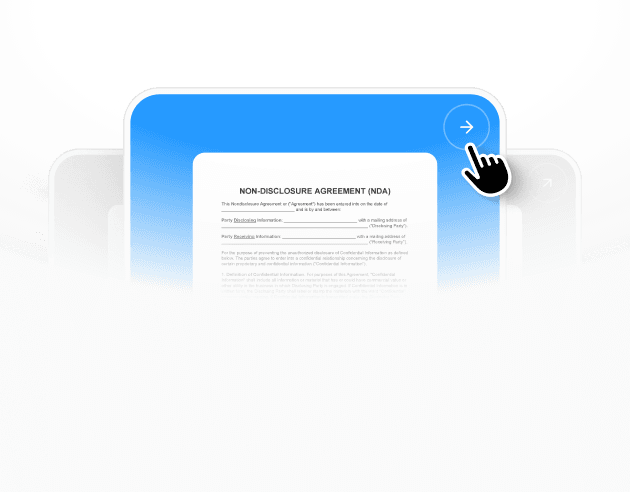
Select a template
Each template already follows legal structure and best practices.
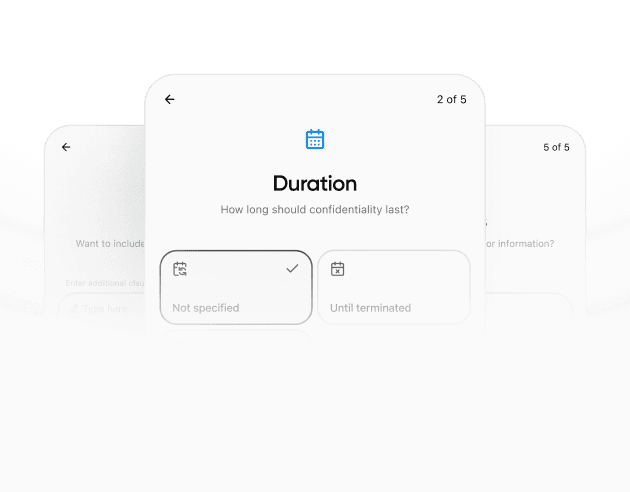
Provide details
The agreement is automatically filled and adapted to your inputs.
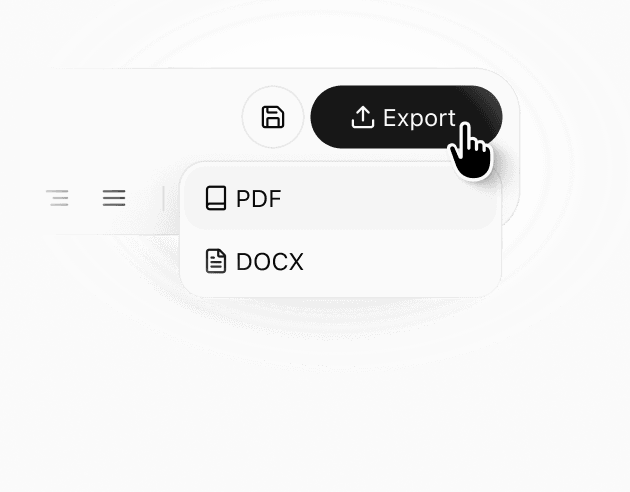
Review & download
Check the generated document, make edits if needed, and download a ready-to-use agreement.
Details
Learn more about
Witness Statement Template – Texas
Texas Witness Statement Template FAQ
Why use the Hazard–Control–Failure–Exposure–Injury format in a witness statement?
This format captures the “mechanics” of an incident in a way that helps reviewers understand causation without forcing the witness into technical conclusions. It separates the condition observed (hazard) from any protective measures (controls) and from what changed or broke down (failure). “Exposure” and “Injury/Damage” keep the focus on observable effects rather than assumptions. When written carefully, the structure helps a reader compare multiple accounts and identify which facts are consistent across witnesses.
What if you did not observe the entire event from start to finish?
It is common for witnesses to observe only a portion of an incident. The best practice is to state where you were, what you could see, and when you first became aware of the situation. You can then describe only what you personally observed from that point forward. If you learned details later from others, keep those details separate and label them as secondhand. A partial but precise account is typically more useful than a complete story that relies on guesswork.
How detailed should vehicle information be in the traffic addendum?
Include the identifiers you actually observed or can reliably confirm, such as color, make, a partial plate, or distinguishing markings. If you did not see an identifier, write “Unknown” rather than filling in from memory. If you have photos or a report number, reference those as exhibits so reviewers can confirm details from the source. The addendum is meant to capture practical identifiers and positioning, not to assign fault. Clear, verifiable details help later reconstruction and follow-up.
What is the role of a corrective actions log in a witness statement package?
A corrective actions log is useful when the statement is part of an investigation that may lead to operational changes. The log provides a structured way to track proposed actions, ownership, and completion status without altering the witness’s account. It can also prevent important follow-ups from being lost in narrative text. Even if you are only a witness, the log can help the receiving organization track what needs to be done next, such as preserving footage or documenting the scene.
Should a witness speculate about what “should have happened” or who is responsible?
A witness statement is strongest when it focuses on observations rather than conclusions about responsibility. If you include opinions, keep them clearly separate from factual descriptions and avoid presenting assumptions as facts. Reviewers can draw their own conclusions once they compare multiple statements and evidence. If a policy or control is relevant and you observed it directly, describe what you saw, such as whether cones were present or whether a gate was open. Avoid guessing about intent or internal procedures you did not personally observe.
How can you make your statement easy to verify?
Use consistent identifiers and link your narrative to evidence wherever possible. If you reference a call, a photo, or a report, label it and include it in the exhibits section. Keep time references consistent, even if approximate, and describe where you were positioned. If multiple organizations are involved, the contractor chain fields help readers route questions to the correct entity. A verifiable statement is one that a reviewer can cross-check against records without having to interpret vague language.
Similar templates