AI Assisted
Export: PDF & DOCX
Get your custom agreement in minutes
4.8 Rating
Downloaded 3549 times
Get your complete
agreement in minutes
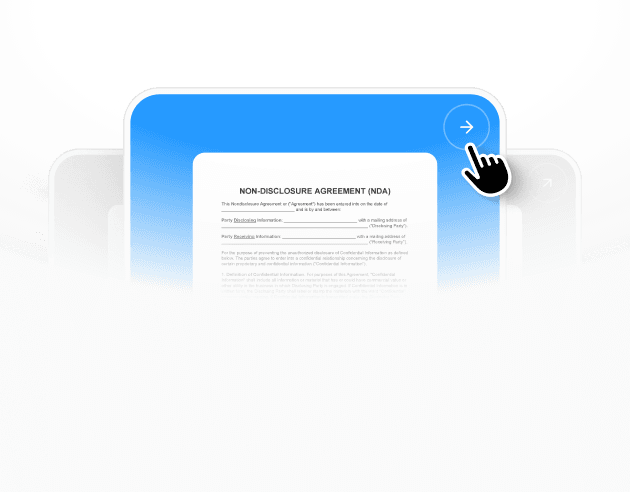
Select a template
Each template already follows legal structure and best practices.
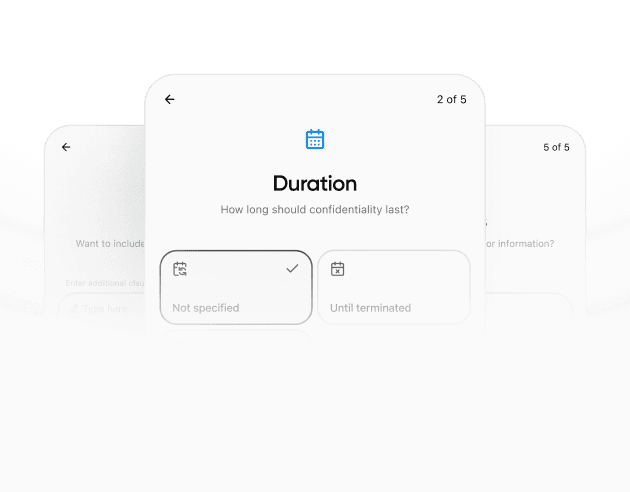
Provide details
The agreement is automatically filled and adapted to your inputs.
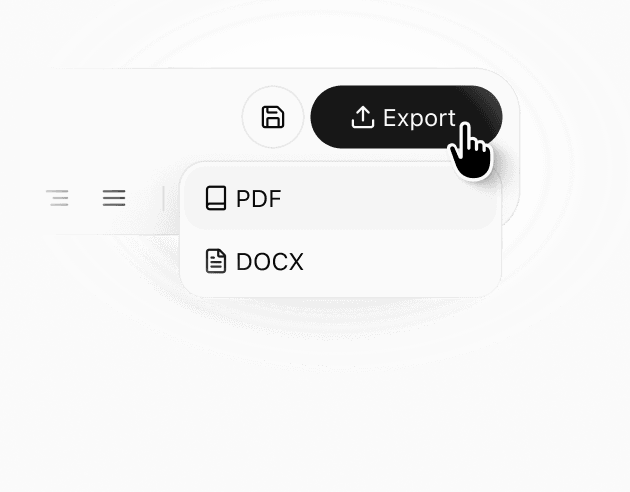
Review & download
Check the generated document, make edits if needed, and download a ready-to-use agreement.
Details
Learn more about
Employment Verification Letter Template – Texas
Texas Employment Verification Letter Template FAQ
What does “verification scope” mean in a Texas employment verification letter?
Verification scope clarifies that the employer is confirming only specific facts — such as dates of employment, job title, and status — rather than offering broad statements about the employee. This helps prevent recipients from treating the letter as a general endorsement or a performance reference. It also supports privacy by making it clear that compensation and other sensitive details are only included when authorized. A defined scope can reduce follow-up requests for unrelated information and keeps the employer’s response consistent across different recipients.
When is an employment timeline table useful?
A timeline table helps when the employee’s role changed over time or when the recipient needs a clearer view of employment history. Instead of adding long narrative paragraphs, the table lists date ranges, titles, and departments in a structured way. This can be useful for lenders verifying stability, for credentialing, or for situations where the employee was rehired. The table remains optional, so the employer can keep the letter shorter when a single role and start date are sufficient. It is a record-friendly format that is easy to scan.
Should the letter include an employee ID or other identifier?
Including an identifier can help the recipient match the verification to the correct person, but employers should be cautious with sensitive personal data. This template uses a placeholder to control whether an identifier is included and what type is used. In many cases, a company employee ID or a non-sensitive matching reference is enough. If a recipient requests more sensitive identifiers, the employer can require written employee authorization and follow internal procedures. The goal is to support accurate matching without over-disclosing personal information.
What if the recipient asks for job duties or performance details?
Employment verification letters are usually limited to confirmable employment facts. If the recipient requests duties, the employer can provide a brief role description only if that fits internal practice and the employee authorizes it. Performance commentary is typically outside the scope of verification and can create unnecessary risk. If the recipient needs a fuller reference, the employer may handle that through a separate reference process. Keeping the verification letter factual — dates, title, status — reduces disputes and ensures the letter remains consistent with what the employer can reliably confirm.
How should employers handle repeat verification requests?
Repeat requests are common, especially for lending and housing. A letter ID and re-verification routing help the employer track what was issued and ensure the same facts are confirmed consistently. If the employee’s status changed after the letter was issued, the employer can issue a new letter with an updated date and reference ID rather than editing old versions. This avoids confusion about which letter is current. Centralizing the contact for re-verification reduces the chance of conflicting information from different departments.
How can AI Lawyer support consistent verification responses across departments?
AI Lawyer can help employers use a standardized verification structure — scope, core employment facts, optional income line, and trackable modules like a timeline table and letter ID routing. That consistency reduces errors and helps payroll, HR, and managers avoid sending different versions of “proof of employment” letters. The modular approach also helps the employer tailor the letter to the recipient’s needs without adding irrelevant data. Employers still control what is disclosed and require employee authorization where appropriate, but the format supports cleaner, faster processing.
Similar templates