AI Assisted
Export: PDF & DOCX
Get your custom agreement in minutes
4.8 Rating
Downloaded 4450 times
Get your complete
agreement in minutes
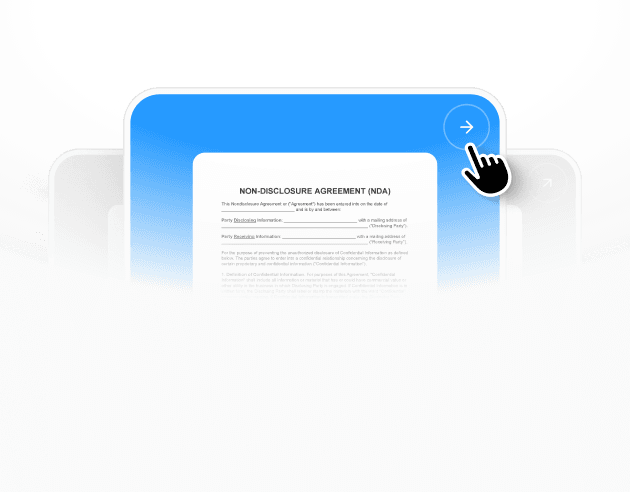
Select a template
Each template already follows legal structure and best practices.
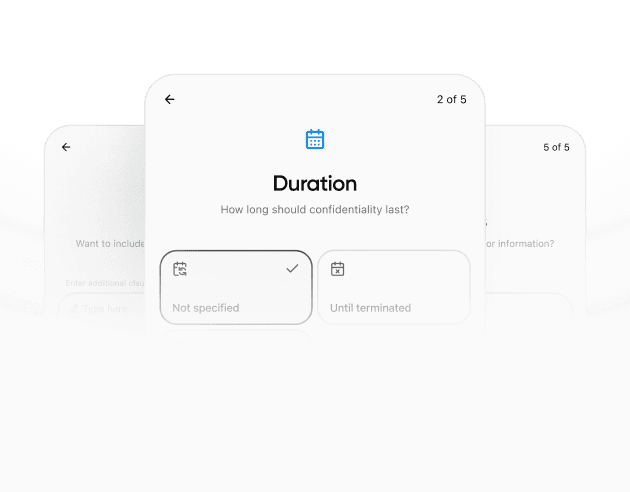
Provide details
The agreement is automatically filled and adapted to your inputs.
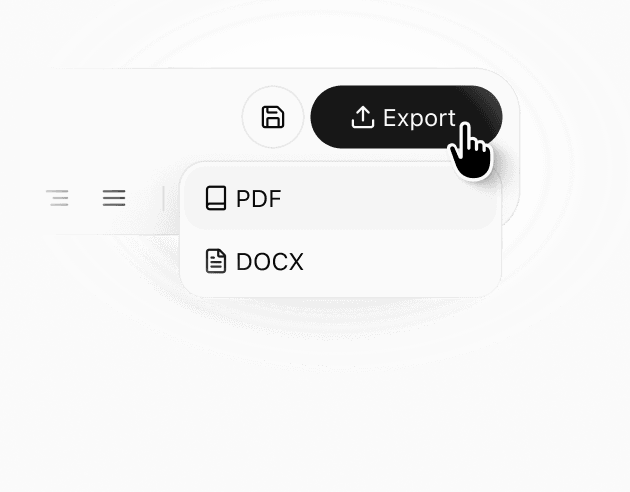
Review & download
Check the generated document, make edits if needed, and download a ready-to-use agreement.
Details
Learn more about
Consulting Agreement Template – Washington
Washington Consulting Agreement Template FAQ
Why does project governance belong in a consulting agreement?
Governance terms describe how the parties will run the project: who the decision makers are, how meetings occur, and how approvals are documented. Consulting engagements can stall when feedback is scattered across messages or when stakeholders disagree about priorities. A governance structure sets a predictable rhythm and reduces rework by creating a single path for decisions. It also helps the consultant plan deliverables and the client plan reviewer availability. When governance is clear, issues are solved faster because everyone knows where to raise questions, how to document outcomes, and when decisions become effective.
What is a decision log and how is it different from meeting notes?
Meeting notes often capture discussion, while a decision log captures the actual decisions that change scope, timing, or approvals. A log can record what was decided, who approved it, the effective date, and where the supporting record is stored. This is useful when the project evolves and someone later asks why a change occurred. A decision log also supports invoicing and acceptance by showing the basis for adjustments. When the parties maintain a simple log, the engagement is easier to administer because decisions are not lost in long email threads or chat histories.
How can success metrics be defined without promising results?
Success metrics can be framed as progress measures rather than guarantees. The agreement can list target deliverables, review turnaround times, or implementation milestones and can include placeholders acknowledging that business results depend on client inputs and external factors. This keeps expectations realistic while still giving the parties a way to evaluate whether the engagement is on track. Metrics also help prioritize work by making tradeoffs visible when time is limited. When success is defined as clear outputs and review cycles, both sides can assess progress without treating the agreement as a promise of specific financial outcomes.
What is the simplest way to control scope creep in an ongoing engagement?
Scope creep is easiest to control when the agreement combines a clear scope statement with a written change process. The agreement can require that changes be described, priced, and approved before additional work begins. When paired with a decision log, the parties can see what was approved and when. This reduces the common problem where extra work is requested informally and later disputed. AI Lawyer users often keep a short change template that can be approved by email, which keeps the process fast while still creating a record.
How should data access and system credentials be handled for a consultant?
Data access is easier to manage when the agreement names an access administrator, lists what systems the consultant may use, and requires credentials to be revoked at closeout. The agreement can also specify approved file transfer and storage methods, such as a client portal or a designated shared drive. This reduces security risk and prevents delays where the consultant cannot start due to unclear provisioning steps. Clear access terms protect the client by limiting who can see sensitive information and protect the consultant by ensuring access is provided and removed through a defined process.
Can a template still work if the engagement changes from a project to ongoing support?
Yes, if the agreement is structured to accommodate updates. A project can begin with defined deliverables and later shift into ongoing advisory support by amending the services description and payment model in writing. Governance and change control clauses help manage that transition because they keep approvals and expectations consistent. The key is recording when the engagement changes and what the new deliverables, response expectations, or billing cadence will be. A flexible template avoids rewriting the entire agreement and helps both sides stay aligned as needs evolve.
Similar templates