AI Assisted
Export: PDF & DOCX
Get your custom agreement in minutes
4.8 Rating
Downloaded 2397 times
Get your complete
agreement in minutes
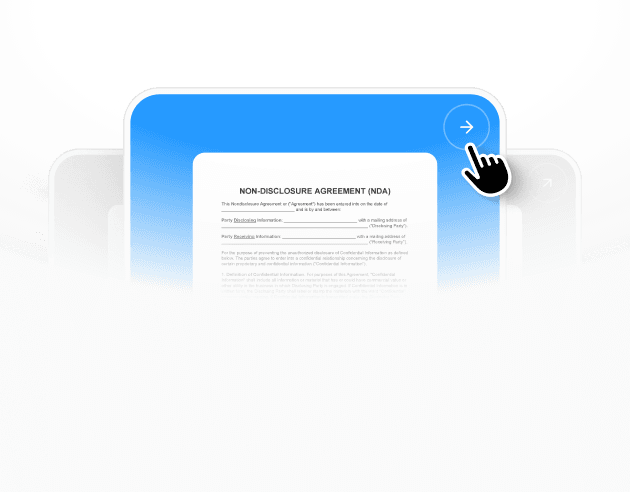
Select a template
Each template already follows legal structure and best practices.
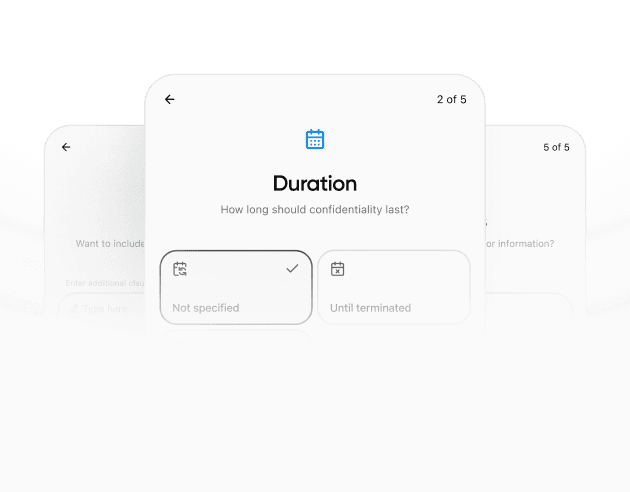
Provide details
The agreement is automatically filled and adapted to your inputs.
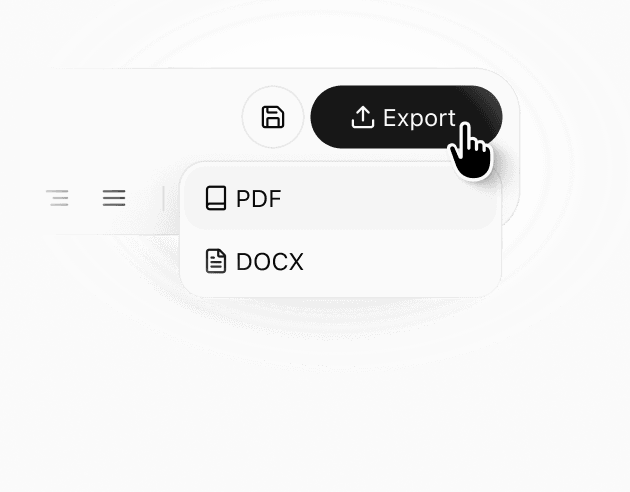
Review & download
Check the generated document, make edits if needed, and download a ready-to-use agreement.
Details
Learn more about
Consulting Agreement Template – New York
New York Consulting Agreement Template FAQ
How should “confidential information” be defined for a consulting project?
A workable definition describes the types of information the client may share, such as business plans, financial data, customer lists, product roadmaps, or internal processes, without forcing the client to label every document. The agreement can also define the permitted purpose, meaning the consultant may use the information only to perform the services. If the consultant needs to share information internally, the agreement can limit disclosures to personnel who need to know and require appropriate safeguards. A clear definition protects the client while keeping the clause operational.
What if the consultant needs to use pre-existing tools or templates?
Many consultants rely on their own methodologies, templates, and know-how. The agreement can separate “background materials” from “work product” created for the client. Background materials may remain the consultant's property, while the deliverables created for the client can be assigned to the client or provided under defined license terms. This structure helps the client obtain usable outputs without requiring the consultant to give up their general toolkit. The best approach is describing what the client receives and in what formats.
Why include a deliverables register instead of listing everything in the scope clause?
A deliverables register keeps the main scope clause readable while still capturing the details that matter in practice: item name, version, delivery channel, and date delivered. It is especially helpful when multiple drafts circulate or when deliverables are shared through different systems. The register provides a single list of what was delivered and when, supporting acceptance and invoicing. If the project changes, the register can be updated through a written change, which reduces disputes about whether something was ever delivered.
How can the agreement control who can approve work and accept invoices?
The agreement can name an authorized client representative and define what approvals that person can give, such as accepting a deliverable, approving a change, or confirming an invoice. This prevents confusion when multiple stakeholders provide conflicting feedback. If a group review is needed, the agreement can require a single consolidated response within a review window. Clear authority helps the consultant plan time and avoids rework that is not connected to an approved change. It also improves payment processing by limiting approvals to the right channel.
What is a practical way to handle disputes without adding heavy legal language?
A simple escalation clause can require the parties to raise issues first with project contacts and then elevate to decision makers if the issue is not resolved. This keeps most disagreements in a problem-solving lane rather than immediately turning into formal claims. The clause can require a short written summary of the issue and proposed resolution so discussions stay focused. Even a lightweight escalation path reduces misunderstandings because it sets expectations for who responds and within what timeframe. It also creates a clean record of attempted resolution.
Does a non-solicitation clause prevent normal business networking?
Non-solicitation clauses are usually aimed at preventing active recruiting of the other party's employees, contractors, or customers for a defined period. They do not typically block general advertising or unrelated hiring, but the effect depends on how the clause is written. A balanced clause identifies the protected groups, clarifies what conduct is restricted, and sets a clear duration. That way, both parties can operate normally while respecting the agreed boundary. Clear wording reduces uncertainty and lowers the risk of accidental breach.
Similar templates