AI Assisted
Export: PDF & DOCX
Get your custom agreement in minutes
4.8 Rating
Downloaded 4021 times
Get your complete
agreement in minutes

Select a template
Each template already follows legal structure and best practices.
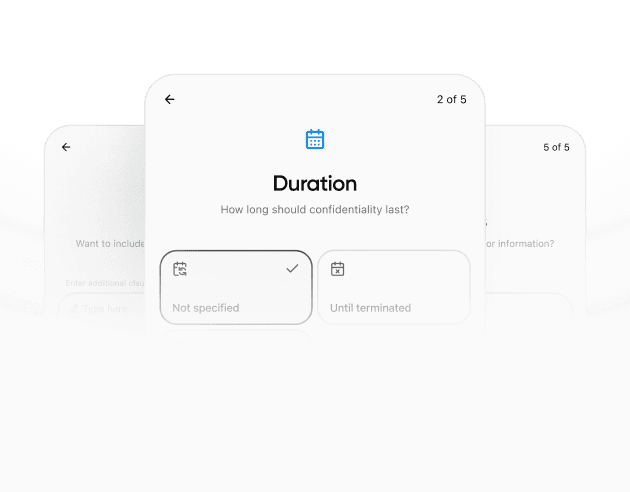
Provide details
The agreement is automatically filled and adapted to your inputs.
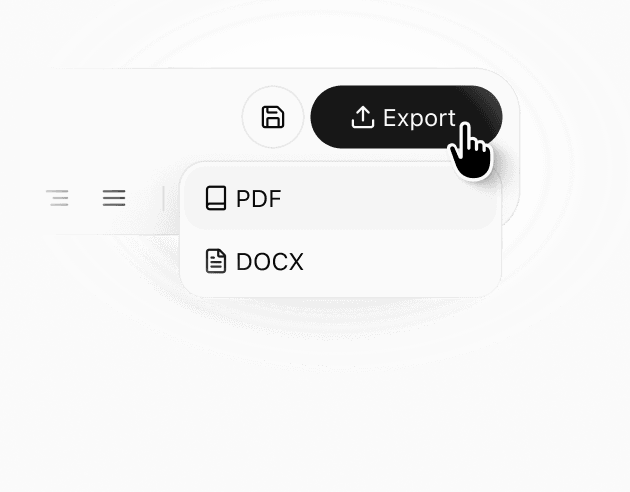
Review & download
Check the generated document, make edits if needed, and download a ready-to-use agreement.
Details
Learn more about
White Label Agreement Template – New York
New York White Label Agreement Template FAQ
Is a White Label Agreement the same as a reseller agreement?
They overlap, but the emphasis is different. A reseller agreement can cover resale of a known supplier’s products, while a white label agreement is designed for resale under the reseller’s brand, often without any supplier attribution to end customers. Because branding is central, a white label agreement should be more specific about brand assets, what marks can appear on packaging or interfaces, and how marketing claims are approved. It also tends to address behind-the-scenes support, defect handling, and confidentiality more directly than a basic resale contract.
How do purchase orders, invoicing, and payment usually work?
Many white label relationships run on purchase orders or an online ordering portal, followed by invoices issued per order or on a monthly cadence. The agreement should define when an order becomes binding, how changes or cancellations are handled, and what payment terms apply (such as net days from invoice). If disputes happen, a short dispute window plus a reconciliation timeline helps keep cashflow predictable. It’s also smart to clarify pass-through items like shipping, taxes, or usage fees so the invoice matches the pricing schedule both sides expect.
Why include an approvals and contacts matrix?
A simple matrix prevents operational delays by stating who can approve brand materials, who receives invoices, and who handles escalations. Without it, one party may assume “anyone on the thread” has authority, while the other disputes approvals later. The matrix can also list backup contacts, which matters when a primary contact is out or leaves the company. If you pair the matrix with a clear approval method — email, ticket system, or portal — you reduce the risk that marketing launches with unapproved claims or the wrong product version.
Who should handle refunds, customer claims, and chargebacks?
That depends on the sales flow. If the reseller collects payment from end customers, the reseller usually manages chargebacks and refunds, but may need the provider’s input on whether a defect exists or whether a service outage occurred. A good agreement defines the data required for a claim (order ID, timeline, customer communications), who makes the final determination, and whether the provider credits the reseller for confirmed defects. Clear timeframes for reporting and resolving claims also help prevent lingering disputes that damage customer relationships.
Can the provider use subcontractors or third-party vendors?
Often yes, especially for hosting, manufacturing steps, logistics, or specialized support. The key is disclosure and accountability: the provider should remain responsible for performance, and confidentiality obligations should extend to the third parties involved. If the reseller is sensitive about where data is processed or where goods are produced, the agreement can require a list of subcontractor functions and a process for updates. This keeps the reseller from being surprised by changes that affect delivery timing, quality control, or customer data handling.
What support expectations should be documented in a white label deal?
Even when the reseller is the customer-facing support layer, the provider often supplies second-line technical support, defect fixes, or replacement shipments. The agreement should define how escalations are submitted, response targets, and what information the provider needs to troubleshoot. If service levels matter, you can define uptime or turnaround expectations in a schedule and specify what happens when they are missed. Clear support boundaries reduce finger-pointing when a customer issue touches both branding and underlying product performance.
How should confidentiality apply to marketing and demo materials?
Marketing content can accidentally reveal provider methods or non-public technical details. The agreement should clarify what can be shown externally — screenshots, specs, sample reports, packaging photos — and what needs approval. It should also state how drafts and source files are stored and shared, and whether any demo environments, credentials, or sample data are confidential. Treating marketing assets as part of the confidentiality framework reduces the chance that a campaign leaks sensitive information while still letting the reseller promote the offering effectively.
When is it useful to include minimum commitments or forecasts?
Minimums can make sense when the provider needs to reserve capacity, hold inventory, or prioritize development work. Forecasts can be a softer alternative: they help the provider plan without turning projections into hard obligations. If you do include a minimum, connect it to a clear measurement period and a remedy (such as a shortfall fee or revised pricing tier). The goal is to align expectations without forcing a reseller to overbuy, especially during a new product launch or when demand is still uncertain.
Similar templates