Technical and Organizational Measures Template: Security Controls

Technical and Organizational Measures Template: Security Controls

Technical and Organizational Measures Template: Security Controls

Technical and Organizational Measures Template: Security Controls

Typical length: 4-6 pages

Length: 4-6 pages

AI Assisted

Export: PDF & DOCX

Multi-jurisdiction ready

Multi-jurisdiction

Get your custom agreement in minutes

4.8 Rating

Downloaded 2479 times

Google For Startups

Google For Startups

NVIDIA Inception Program

NVIDIA Inception Program

Technical and Organizational Measures Template


Company / Organization Name: [Company Name]
Document Title: Technical and Organizational Measures
Effective Date: [Date]
Version: [Version Number]
Owner: [Department / Role]


1. Purpose

This document describes the technical and organizational measures used by [Company Name] to protect personal data and other covered information processed in connection with its systems, services, operations, and business activities.

The purpose of this document is to provide a clear summary of the safeguards in place to support security, privacy, confidentiality, integrity, availability, and risk management.


2. Scope

This document applies to:

โ˜ internal systems
โ˜ cloud systems
โ˜ customer data environments
โ˜ employee data systems
โ˜ contractor or vendor-supported systems
โ˜ other processing environments: [Describe]

Covered data may include:

[Personal data]
[Customer records]
[Employee records]
[User account information]
[System logs]
[Other covered information]


3. Governance and Security Management

[Company Name] maintains organizational measures intended to support information security and data protection, including:

[internal policies and procedures]
[assigned security or privacy responsibilities]
[management oversight]
[risk review processes]
[approved security standards]
[documented control ownership]

Additional governance details:

[Insert details]


4. Access Control Measures

Access to systems and data is limited to authorized users based on business need and role.

Access control measures may include:

[unique user accounts]
[role-based access]
[multifactor authentication]
[password standards]
[least-privilege access]
[access approval workflow]
[periodic access review]
[account disablement upon termination or role change]


5. Authentication and Account Security

Authentication and account protection measures may include:

[strong password rules]
[session timeout settings]
[lockout controls]
[privileged account restrictions]
[separate admin accounts]
[monitoring of failed login attempts]
[credential management procedures]

Additional authentication details:

[Insert details]


6. Data Protection Measures

Measures used to protect data may include:

[encryption in transit]
[encryption at rest]
[pseudonymisation, where appropriate]
[data minimization practices]
[segregation of environments]
[restricted downloads or exports]
[data masking, where applicable]
[secure file transfer controls]

Additional data protection details:

[Insert details]


7. Network and System Security

Technical safeguards for infrastructure and systems may include:

[firewalls]
[endpoint protection]
[malware detection]
[patch management]
[vulnerability management]
[secure configuration standards]
[network segmentation]
[logging and monitoring]

Additional network or system controls:

[Insert details]


8. Physical Security

Physical measures for facilities, equipment, and records may include:

[controlled office access]
[badge or key access]
[visitor management]
[locked storage]
[device protection]
[screen lock requirements]
[equipment disposal procedures]

Additional physical security details:

[Insert details]


9. Availability, Backup, and Recovery

Measures to support availability and resilience may include:

[regular backups]
[backup testing]
[disaster recovery planning]
[business continuity procedures]
[redundancy or failover controls]
[system restoration procedures]
[incident recovery responsibilities]

Recovery time or restoration details, if any:

[Insert details]


10. Monitoring, Testing, and Evaluation

[Company Name] uses processes to test, assess, and evaluate the effectiveness of its security measures.

These processes may include:

[security reviews]
[vulnerability scans]
[penetration testing]
[control audits]
[log review]
[incident trend analysis]
[policy review and updates]

Testing frequency or review schedule:

[Insert details]


11. Incident Response and Breach Handling

Organizational and technical incident measures may include:

[incident response procedures]
[security escalation process]
[containment and remediation steps]
[internal reporting rules]
[forensic or technical review, where needed]
[breach notification workflow]
[post-incident review]

Additional incident response details:

[Insert details]


12. Personnel and Training Measures

Organizational measures relating to personnel may include:

[confidentiality obligations]
[security awareness training]
[privacy training]
[role-specific training]
[acceptable use rules]
[disciplinary procedures for policy violations]

Additional personnel safeguards:

[Insert details]


13. Vendor and Subprocessor Measures

Where third parties process or support covered data, [Company Name] may use the following controls:

[vendor due diligence]
[contractual security obligations]
[subprocessor review]
[access limitations]
[ongoing oversight]
[security questionnaire or assessment]
[incident reporting obligations]

Additional vendor control details:

[Insert details]


14. Data Retention and Disposal

Data handling measures may include:

[retention schedules]
[restricted storage periods]
[secure deletion procedures]
[document disposal controls]
[device wiping or destruction]
[record archival procedures]

Additional retention or disposal details:

[Insert details]


15. Review and Updates

This document shall be reviewed:

โ˜ annually
โ˜ after material system changes
โ˜ after major incidents
โ˜ as required by contract or policy
โ˜ other: [Describe]

Review responsibility:

[Department / Role]


16. Approval

Prepared By: [Full Name]
Title: [Job Title]
Date: [Date]

Reviewed By: [Full Name]
Title: [Job Title]
Date: [Date]

Approved By: [Full Name]
Title: [Job Title]
Date: [Date]

Technical and Organizational Measures Template


Company / Organization Name: [Company Name]
Document Title: Technical and Organizational Measures
Effective Date: [Date]
Version: [Version Number]
Owner: [Department / Role]


1. Purpose

This document describes the technical and organizational measures used by [Company Name] to protect personal data and other covered information processed in connection with its systems, services, operations, and business activities.

The purpose of this document is to provide a clear summary of the safeguards in place to support security, privacy, confidentiality, integrity, availability, and risk management.


2. Scope

This document applies to:

โ˜ internal systems
โ˜ cloud systems
โ˜ customer data environments
โ˜ employee data systems
โ˜ contractor or vendor-supported systems
โ˜ other processing environments: [Describe]

Covered data may include:

[Personal data]
[Customer records]
[Employee records]
[User account information]
[System logs]
[Other covered information]


3. Governance and Security Management

[Company Name] maintains organizational measures intended to support information security and data protection, including:

[internal policies and procedures]
[assigned security or privacy responsibilities]
[management oversight]
[risk review processes]
[approved security standards]
[documented control ownership]

Additional governance details:

[Insert details]


4. Access Control Measures

Access to systems and data is limited to authorized users based on business need and role.

Access control measures may include:

[unique user accounts]
[role-based access]
[multifactor authentication]
[password standards]
[least-privilege access]
[access approval workflow]
[periodic access review]
[account disablement upon termination or role change]


5. Authentication and Account Security

Authentication and account protection measures may include:

[strong password rules]
[session timeout settings]
[lockout controls]
[privileged account restrictions]
[separate admin accounts]
[monitoring of failed login attempts]
[credential management procedures]

Additional authentication details:

[Insert details]


6. Data Protection Measures

Measures used to protect data may include:

[encryption in transit]
[encryption at rest]
[pseudonymisation, where appropriate]
[data minimization practices]
[segregation of environments]
[restricted downloads or exports]
[data masking, where applicable]
[secure file transfer controls]

Additional data protection details:

[Insert details]


7. Network and System Security

Technical safeguards for infrastructure and systems may include:

[firewalls]
[endpoint protection]
[malware detection]
[patch management]
[vulnerability management]
[secure configuration standards]
[network segmentation]
[logging and monitoring]

Additional network or system controls:

[Insert details]


8. Physical Security

Physical measures for facilities, equipment, and records may include:

[controlled office access]
[badge or key access]
[visitor management]
[locked storage]
[device protection]
[screen lock requirements]
[equipment disposal procedures]

Additional physical security details:

[Insert details]


9. Availability, Backup, and Recovery

Measures to support availability and resilience may include:

[regular backups]
[backup testing]
[disaster recovery planning]
[business continuity procedures]
[redundancy or failover controls]
[system restoration procedures]
[incident recovery responsibilities]

Recovery time or restoration details, if any:

[Insert details]


10. Monitoring, Testing, and Evaluation

[Company Name] uses processes to test, assess, and evaluate the effectiveness of its security measures.

These processes may include:

[security reviews]
[vulnerability scans]
[penetration testing]
[control audits]
[log review]
[incident trend analysis]
[policy review and updates]

Testing frequency or review schedule:

[Insert details]


11. Incident Response and Breach Handling

Organizational and technical incident measures may include:

[incident response procedures]
[security escalation process]
[containment and remediation steps]
[internal reporting rules]
[forensic or technical review, where needed]
[breach notification workflow]
[post-incident review]

Additional incident response details:

[Insert details]


12. Personnel and Training Measures

Organizational measures relating to personnel may include:

[confidentiality obligations]
[security awareness training]
[privacy training]
[role-specific training]
[acceptable use rules]
[disciplinary procedures for policy violations]

Additional personnel safeguards:

[Insert details]


13. Vendor and Subprocessor Measures

Where third parties process or support covered data, [Company Name] may use the following controls:

[vendor due diligence]
[contractual security obligations]
[subprocessor review]
[access limitations]
[ongoing oversight]
[security questionnaire or assessment]
[incident reporting obligations]

Additional vendor control details:

[Insert details]


14. Data Retention and Disposal

Data handling measures may include:

[retention schedules]
[restricted storage periods]
[secure deletion procedures]
[document disposal controls]
[device wiping or destruction]
[record archival procedures]

Additional retention or disposal details:

[Insert details]


15. Review and Updates

This document shall be reviewed:

โ˜ annually
โ˜ after material system changes
โ˜ after major incidents
โ˜ as required by contract or policy
โ˜ other: [Describe]

Review responsibility:

[Department / Role]


16. Approval

Prepared By: [Full Name]
Title: [Job Title]
Date: [Date]

Reviewed By: [Full Name]
Title: [Job Title]
Date: [Date]

Approved By: [Full Name]
Title: [Job Title]
Date: [Date]

Get your complete
agreement in minutes

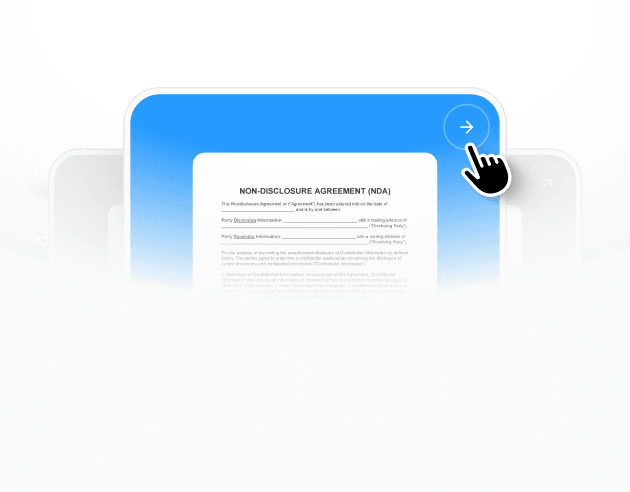
Select template illustration
Select a template

Each template already follows legal structure and best practices.

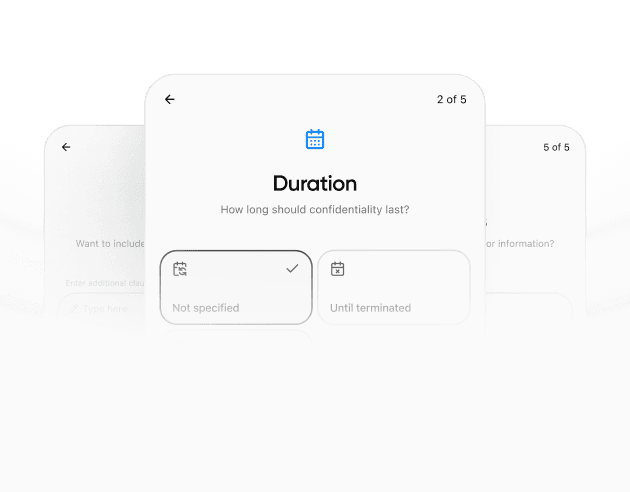
Provide details illustration
Provide details

The agreement is automatically filled and adapted to your inputs.

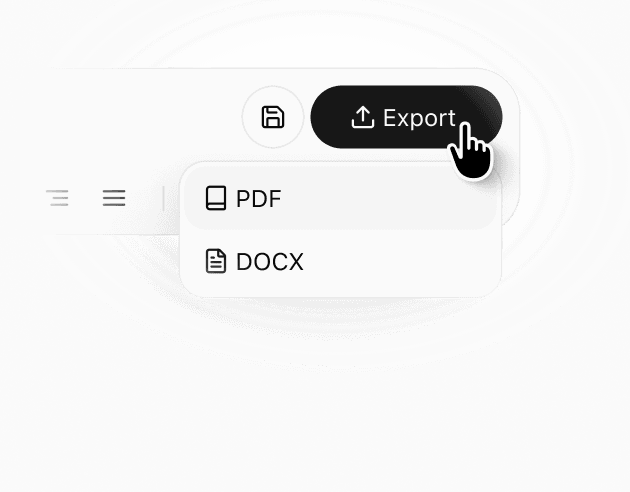
Review & download illustration
Review & download

Check the generated document, make edits if needed, and download a ready-to-use agreement.

Details

Learn more about

Technical and Organizational Measures Template: Security Controls

Click below for detailed info on the template.
For quick answers, scroll below to see the FAQ.

Click below for detailed info on the template.
For quick answers, scroll below to see the FAQ.

TECHNICAL AND ORGANIZATIONAL MEASURES TEMPLATE FAQ


What are technical and organizational measures?

Technical and organizational measures, often called TOMs, are the safeguards an organization uses to protect personal data and the security of processing. Under GDPR Article 32, controllers and processors must implement measures appropriate to the risk, taking into account factors such as the state of the art, implementation costs, and the nature and scope of the processing.


Why do you need a technical and organizational measures document?

You need a technical and organizational measures document to clearly describe what security, access, governance, and response controls are in place. It helps with internal compliance, vendor review, customer due diligence, and data processing arrangements by showing how the organization protects confidentiality, integrity, availability, and resilience.


When should you use a technical and organizational measures document?

Use a technical and organizational measures document when an organization processes personal data and needs to explain its security controls to customers, vendors, auditors, regulators, or internal reviewers. It is especially useful during vendor onboarding, contract negotiations, privacy reviews, security questionnaires, and controller-processor compliance reviews.


How to write a technical and organizational measures document?

Start with the purpose, scope, and systems covered. Then describe the specific safeguards used for access control, encryption or pseudonymisation where appropriate, system security, backup and recovery, incident response, testing, and vendor management. Article 32 also specifically refers to measures such as pseudonymisation and encryption, the ability to ensure ongoing confidentiality, integrity, availability and resilience, the ability to restore access after an incident, and regular testing and evaluation of effectiveness.


Can AI Lawyer help if compliance, IT, and vendor reviewers all need to review?

AI Lawyer can help by organizing the document into clear sections so each reviewer can find the relevant details quickly. It can also add internal reference fields, review notes, and placeholders that make updates easier to track. A consistent layout helps reduce repeated edits and lowers the chance of missing key details like access controls, backup rules, incident procedures, or testing practices before the document is shared.

Similar templates

Other templates from

Policy and Compliance Documents

Money back guarantee

Free trial

Cancel anytime

AI Lawyer protects

your rights and wallet

๐ŸŒ

Company

Learn

Terms

ยฉ2026 AI Lawtech Sp. z O.O. All rights reserved.

Money back guarantee

Free trial

Cancel anytime

AI Lawyer protects

your rights and wallet

๐ŸŒ

Company

Learn

Terms

AI Lawtech Sp. z O.O.

ยฉ2026

Money back guarantee

Free trial

Cancel anytime

AI Lawyer protects

your rights and wallet

๐ŸŒ

Company

Learn

Terms

ยฉ2026 AI Lawtech Sp. z O.O. All rights reserved.

Money back guarantee

Free trial

Cancel anytime

AI Lawyer protects

your rights and wallet

๐ŸŒ

Company

Learn

Terms

ยฉ2026 AI Lawtech Sp. z O.O. All rights reserved.