AI Assisted
Export: PDF & DOCX
Get your custom agreement in minutes
4.8 Rating
Downloaded 4187 times
Get your complete
agreement in minutes
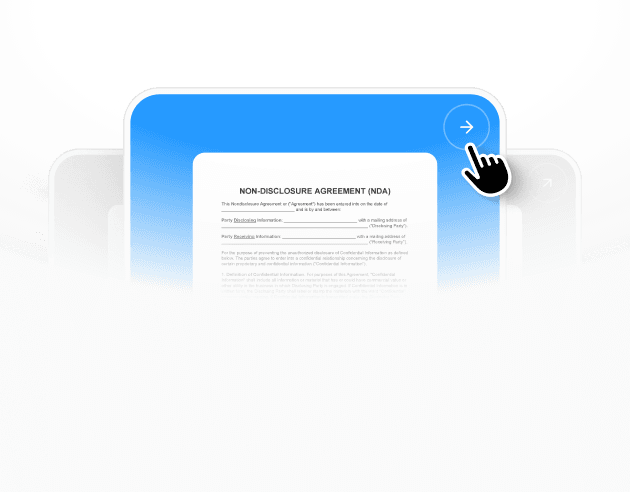
Select a template
Each template already follows legal structure and best practices.
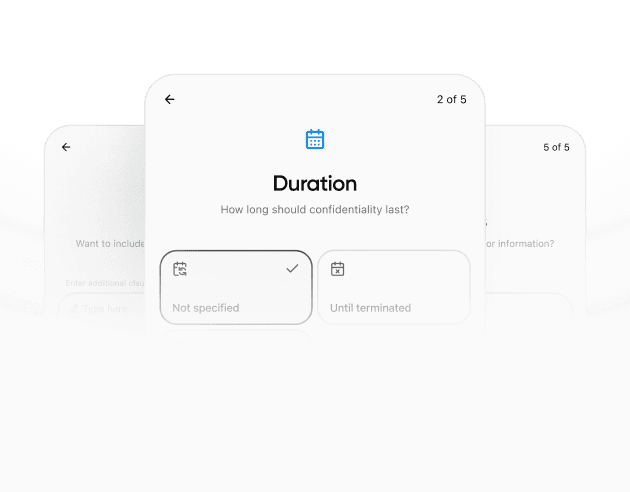
Provide details
The agreement is automatically filled and adapted to your inputs.
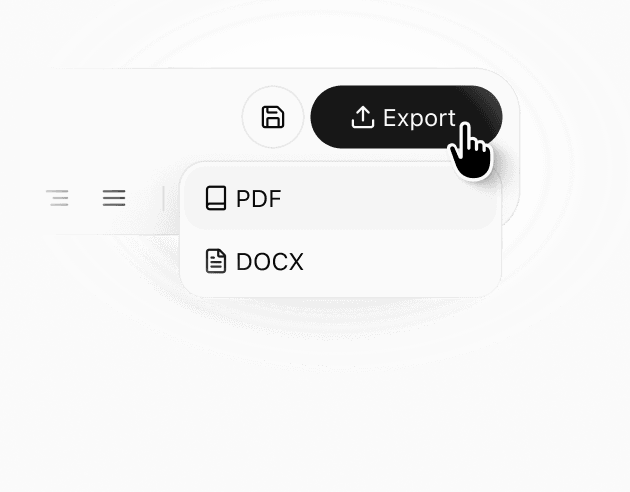
Review & download
Check the generated document, make edits if needed, and download a ready-to-use agreement.
Details
Learn more about
Storage Rental Agreement Template – New York
New York Storage Rental Agreement Template FAQ
What information should be listed to identify the storage unit clearly?
A storage agreement should identify the facility address and the specific unit number, and it can also include additional identifiers such as floor, building, or access gate used for entry. Clear identification reduces confusion when there are multiple units or when a tenant later changes units. If the facility uses a barcode or internal account number, listing it can make billing and access troubleshooting easier. This New York version keeps the unit identification in a dedicated section so it is easy to locate and avoids mixing unit details into payment clauses.
Why include a fee schedule table instead of writing fees in paragraphs?
A fee schedule table makes recurring and conditional charges easier to review at a glance. It can help tenants understand what is owed, when it is owed, and what triggers additional fees such as late fees or returned payment fees. For facilities, a table reduces drafting errors because amounts and triggers appear in one standardized block. This approach also makes it easier to update a single table entry if pricing changes, rather than rewriting multiple clauses. The goal is clarity and fewer billing disputes over timing or triggers.
Can the agreement specify preferred notice methods like email or a portal?
Yes. Many operators use a mix of paper and electronic communications, and the agreement can record which channels will be used for routine notices and billing updates. The key is to list a reliable contact address and to keep it updated if it changes. If a tenant prefers a specific billing contact that differs from the primary address, noting it can reduce missed invoices. This template includes a communication preferences section so the parties can capture where notices should go, without implying that any particular method is legally required.
What does “no business operations in the unit” usually mean?
This restriction typically means the unit is for storage only, not for running a storefront, meeting customers, or performing ongoing services inside the unit. It can also cover prohibitions on using the unit as an office or workshop, even if items are stored there. Facilities often impose this rule for safety, traffic control, and insurance reasons. If a tenant needs occasional access to sort items or move inventory, the agreement can still allow that while prohibiting continuous operations. If business activity is desired, it should be expressly stated and approved.
How should tenants handle valuables or sensitive items?
Tenants should consider whether a storage unit is appropriate for items with high resale value, personal sensitivity, or temperature sensitivity. If valuables are stored, strong locks, good inventory practices, and appropriate insurance coverage can reduce risk. It is also helpful to keep a list of stored items and to photograph items as they are moved in, especially for business inventory. This template allows parties to keep the core agreement short while capturing insurance responsibility and leaving room for separate inventory records if needed.
What is the best way to avoid disputes at move-out?
Move-out disputes often arise from leftover property, cleanliness, or disagreement about damage. Tenants can reduce disputes by documenting the unit condition at move-out, returning access credentials, and confirming the final billing status. Facilities can reduce disputes by providing a clear move-out process and stating where notices and refunds will be sent. If a security deposit is used, the agreement should describe how deductions are handled. Clear documentation and prompt communication are usually more effective than adding long, generalized clauses.
Similar templates