AI Assisted
Export: PDF & DOCX
Get your custom agreement in minutes
4.8 Rating
Downloaded 3512 times
Get your complete
agreement in minutes
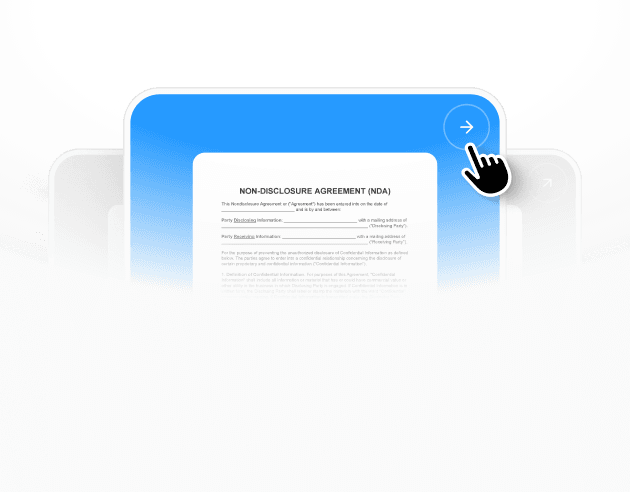
Select a template
Each template already follows legal structure and best practices.
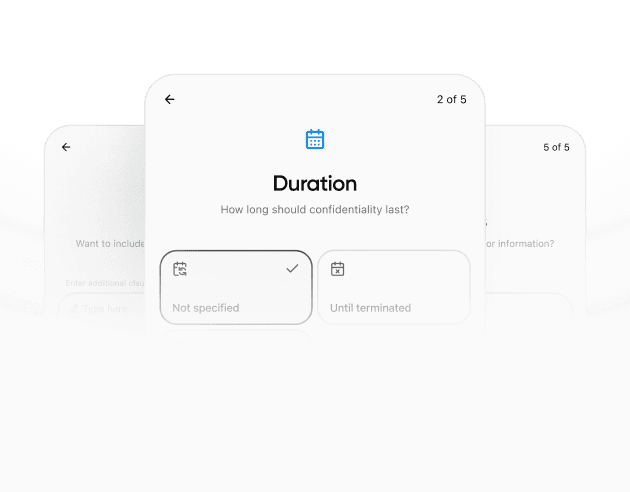
Provide details
The agreement is automatically filled and adapted to your inputs.

Review & download
Check the generated document, make edits if needed, and download a ready-to-use agreement.
Details
Learn more about
Consulting Agreement Template – Texas
Texas Consulting Agreement Template FAQ
How do you choose between hourly, fixed-fee, and milestone pricing?
Hourly pricing works well when the scope is flexible or discovery is required because the fee follows time spent. Fixed-fee pricing works best when deliverables are clear and effort can be estimated with confidence. Milestone pricing ties payments to defined outputs and target dates, which can help both budgeting and accountability. The agreement can capture the chosen model and still protect both sides by requiring written approval for scope changes and by defining when invoices are issued. The right choice depends on how defined the deliverables are and how much change the project is likely to involve.
What should an invoice include to make payment processing smooth?
Invoices are easiest to process when they identify the covered period or milestone, briefly describe the services, state the amount due, and reference the agreement or project ID. If expenses are reimbursable, the invoice can list each approved expense and include receipts or a receipt link. The agreement can also state where invoices are sent and when they are due after receipt. Clear invoice requirements reduce back-and-forth with accounts payable and help prevent late payment disputes. They also give both sides an auditable record of what was billed and why.
How can expenses be controlled without blocking necessary travel or tools?
Expense control usually comes from pre-approval and thresholds. The agreement can require written approval for expenses above a stated amount and can list typical categories such as travel, lodging, subscriptions, or specialized software. This keeps the client in control of budget surprises while still allowing the consultant to obtain what is needed to perform the services. If travel may be required, the agreement can include a travel cadence or a per-trip cap in placeholders. When expenses are planned and documented, reimbursement becomes straightforward and less likely to create friction.
Why does the independent contractor clause matter for both parties?
The independent contractor clause clarifies that the consultant is not the client's employee and is responsible for their own business operations. This helps the client avoid management practices that look like employment and helps the consultant preserve flexibility in how work is performed. The clause can also address who provides equipment, how time is scheduled, and whether the consultant can work for others, within the project's confidentiality and conflict boundaries. A clear contractor relationship reduces day-to-day confusion and supports a professional engagement structure rather than an informal arrangement.
What does the liability cap mean if something goes wrong?
A liability cap is a negotiated limit on monetary exposure for claims tied to the engagement. The practical effect is predictability: both sides know the maximum financial risk under the contract. A cap is commonly aligned with fees paid, but the agreement can define another cap amount. Even with a cap, disputes often turn on scope, approvals, and what was delivered, so documenting deliverables and changes remains important. The agreement can also clarify the treatment of indirect damages in general terms. Clear risk allocation helps the parties focus on delivery instead of worst-case scenarios.
What happens to unpaid invoices if the agreement is terminated early?
Most agreements state that fees earned through the termination date remain payable and that approved expenses incurred before termination are reimbursable. If the work is milestone-based, the agreement can specify whether payment requires delivery of a defined output or whether partial work is prorated based on a written status summary. The cleanest approach is tying payment to objective records such as accepted deliverables, timesheets, or a closeout memo. When early termination terms are clear, the parties can close the engagement without arguing about what was completed and what is owed.
Similar templates