AI Assisted
Export: PDF & DOCX
Get your custom agreement in minutes
4.8 Rating
Downloaded 4187 times
Get your complete
agreement in minutes
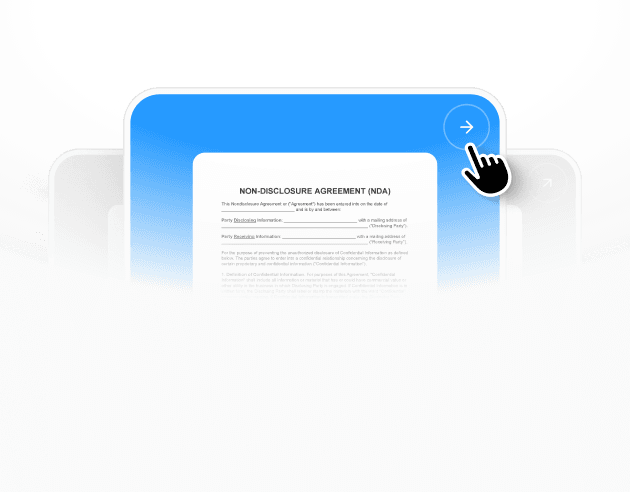
Select a template
Each template already follows legal structure and best practices.
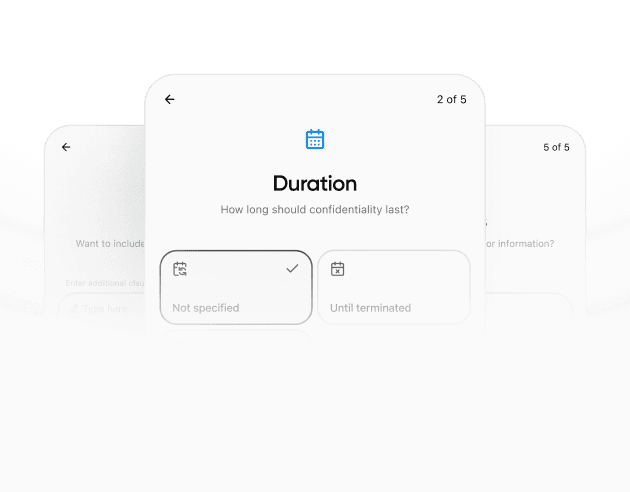
Provide details
The agreement is automatically filled and adapted to your inputs.
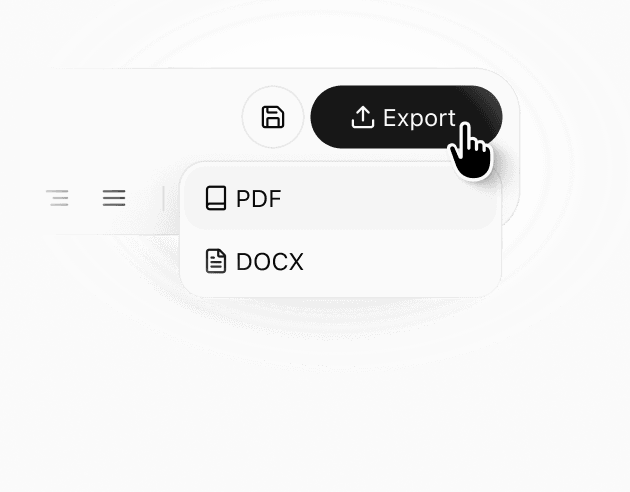
Review & download
Check the generated document, make edits if needed, and download a ready-to-use agreement.
Details
Learn more about
Business Sale/Purchase Agreement Template – Washington
Washington Business Sale/Purchase Agreement Template FAQ
What should be transferred immediately at closing versus later during a transition?
Items needed to operate the business should be delivered at closing or within a very short window, including key access credentials, operational records, and documents that establish ownership of assets. Other items can be delivered during a defined transition period, such as customer introductions, process training, or follow-up contract consents. The agreement should state which items are “Closing Deliverables” and which are “Post-Closing Tasks,” with due dates and responsibility assigned. This reduces confusion and prevents a situation where the buyer cannot run the business because critical items were not clearly required at closing.
Why include a closing document and credential checklist?
A checklist reduces the risk of missing a critical document or access credential when control of the business changes hands. Many post-closing issues come from overlooked admin logins, payment processor access, or account ownership changes. A checklist also provides a record of what was delivered, when, and to whom, which can help resolve disputes without relying on memory. The checklist approach is especially useful for businesses that rely on online accounts and software subscriptions where access transfer is essential to day-one operations.
What is a post-closing tasks log and how is it different from the agreement?
The agreement sets the obligations, while the task log is a practical tracking tool for outstanding items that remain after closing. Contract consents, subscription transfers, and final notices often take time, even when the sale is complete. A task log assigns each item to a party, sets a due date, and tracks progress. This keeps the relationship organized during the transition period and reduces the risk of finger-pointing when something is delayed. The agreement can reference the task log as the tool the parties use to manage post-closing cooperation.
How do you handle business accounts like domains, payment processors, and subscriptions?
The agreement should treat accounts and access credentials as assets that must be transferred, and it should specify the method of transfer. For example, domain ownership can be transferred through a registrar, payment processors through an administrator change, and subscriptions through assignment or account migration. Because each platform has its own process, the agreement can list the specific accounts and the required transfer steps in a schedule or checklist. Clear account transfer planning prevents revenue disruptions and reduces the risk of the seller retaining control over systems the buyer needs.
What if a third party refuses to consent to a contract assignment?
If a consent cannot be obtained, the agreement should specify what happens next. Options include excluding the contract, delaying transfer until consent is received, or using an interim arrangement where the seller continues the contract while the buyer performs services or reimburses costs. The right approach depends on the business and the contract terms. The key is to address the possibility upfront so the buyer does not pay for a contract that cannot legally transfer and the seller does not remain unexpectedly responsible for post-closing obligations.
How should records be handled after closing to protect confidentiality?
Both parties may need access to certain records for a limited time, but access should be tied to a permitted purpose and limited to authorized personnel. The agreement can specify where records are stored, how they are transferred, and how long copies are retained. If sensitive customer information is involved, it helps to define who can access the information and what security measures will be used for storage and transfer. Clear record-handling terms support a clean separation while still allowing practical post-closing cooperation.
Want a draft that fits your deal terms without missing the operational details?
AI Lawyer can help you generate a structured draft that includes practical schedules and checklists for the items that actually drive a smooth handover, such as access credentials and post-closing tasks. The key inputs are the purchase price structure, the list of included and excluded assets, any assumed liabilities, and the accounts or contracts that need special handling. A structured draft gives both parties a concrete roadmap for closing and transition, which tends to reduce negotiation cycles and prevent operational surprises after the sale.
Similar templates