AI Assisted
Export: PDF & DOCX
Get your custom agreement in minutes
4.8 Rating
Downloaded 3968 times
Get your complete
agreement in minutes
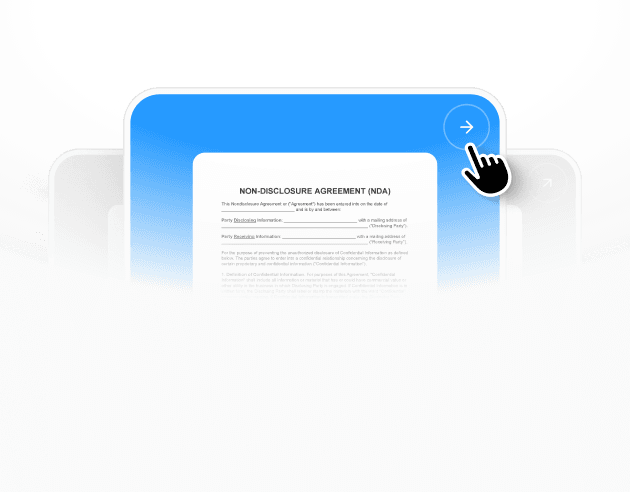
Select a template
Each template already follows legal structure and best practices.
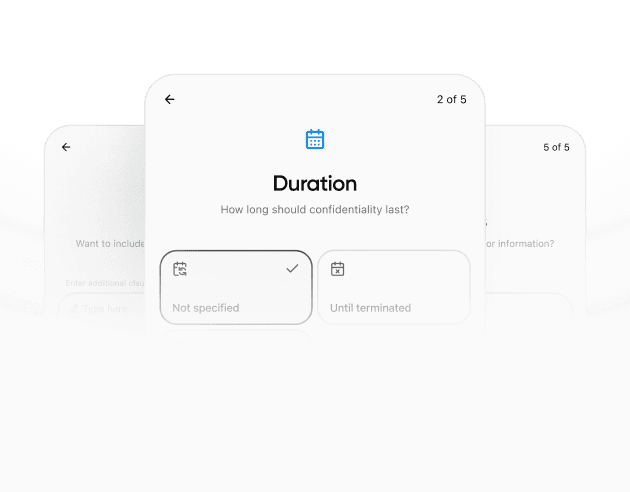
Provide details
The agreement is automatically filled and adapted to your inputs.
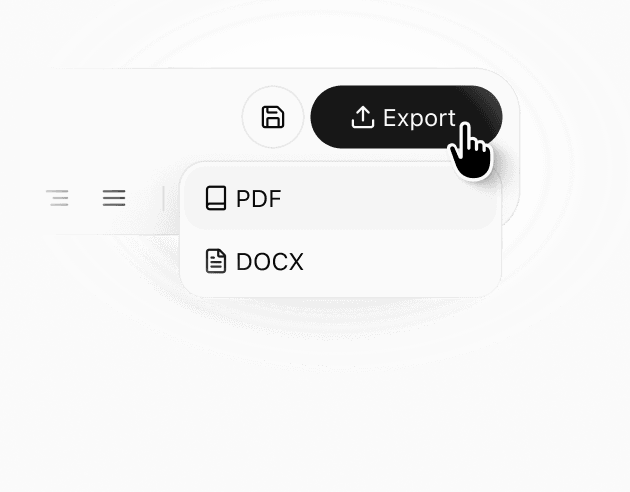
Review & download
Check the generated document, make edits if needed, and download a ready-to-use agreement.
Details
Learn more about
Business Sale/Purchase Agreement Template – Illinois
Illinois Business Sale/Purchase Agreement Template FAQ
What should the seller represent and warrant in a business sale?
Sellers commonly represent that they have authority to sell, that the assets being transferred are owned and transferable, and that there are no undisclosed liens beyond what is listed in schedules. Sellers may also address whether there are known disputes, material contracts, or other issues that could affect the business. The right scope depends on deal size and negotiation leverage, but the agreement should connect representations to disclosure schedules so statements are not purely general. Clear disclosures reduce the chance of post-closing arguments about what was known and what was promised.
Why use disclosure schedules instead of putting details in the main agreement?
Disclosure schedules keep the agreement readable while capturing specific lists and exceptions. For example, a seller can represent that assets are free of liens except for liens listed on a schedule, and then the schedule contains the exact lien details. This structure lets parties negotiate the business issues directly without rewriting the core clauses. An index table can also help organize disclosures by topic, which makes diligence review easier and reduces the chance that a key exception is missed during negotiation.
What is an escrow or holdback and why do parties use it?
An escrow or holdback sets aside a portion of the purchase price for a defined time to cover specific risks or post-closing adjustments. It is often used when the buyer wants protection against unknown liabilities, unresolved contract consents, or other issues that could emerge after closing. The agreement should define the escrow amount, who holds it, the release timeline, and the claims process. Without clear release rules, escrow funds can become a source of disputes long after the business has changed hands.
How can a due diligence checklist improve the transaction?
A checklist helps both parties track what information is needed, who must provide it, and when it is delivered. It reduces repeated requests and ensures key categories — financials, contracts, licenses, and asset lists — are not overlooked. A checklist also helps the buyer confirm that the purchase price is supported by verifiable information and that operating documents exist to run the business after closing. When the checklist is tied to a shared folder structure or reference links, it also creates a practical record of what was reviewed before closing.
What happens if the buyer discovers a problem after closing?
Post-closing problems are usually handled through the representations and warranties, the schedules, and any negotiated remedies such as escrow, holdback, or a claim process. The agreement can specify how quickly a claim must be raised and what evidence is required. Some deals limit claims to specific categories or cap the seller’s liability, while others allow broader remedies. The key is to make remedies predictable so disputes do not turn into open-ended arguments about fairness after the purchase has already been completed.
How do you ensure the buyer can actually operate the business on day one?
Operational continuity depends on getting the right records and access credentials at or immediately after closing. Buyers often need vendor logins, payment processor access, customer contact records, and process documentation. If third-party consents are required for contracts, the agreement should state how the parties will handle interim performance until consents are obtained. Transition support can also be included for training and introductions. The agreement’s closing deliverables and transition schedule should reflect what the buyer needs to keep revenue flowing without interruption.
When should you use a business sale agreement instead of a simpler bill of sale?
A bill of sale is usually too narrow for a full business transfer because it does not handle liabilities, contract assignments, representations, closing conditions, or transition support. A business sale agreement is more appropriate when the buyer is acquiring goodwill, customer relationships, IP, or ongoing contracts, or when the purchase price is significant. The additional structure provides clarity on what is included, what is excluded, and what the parties promise about the condition of the business.
Similar templates