AI Assisted
Export: PDF & DOCX
Get your custom agreement in minutes
4.8 Rating
Downloaded 2817 times
Get your complete
agreement in minutes
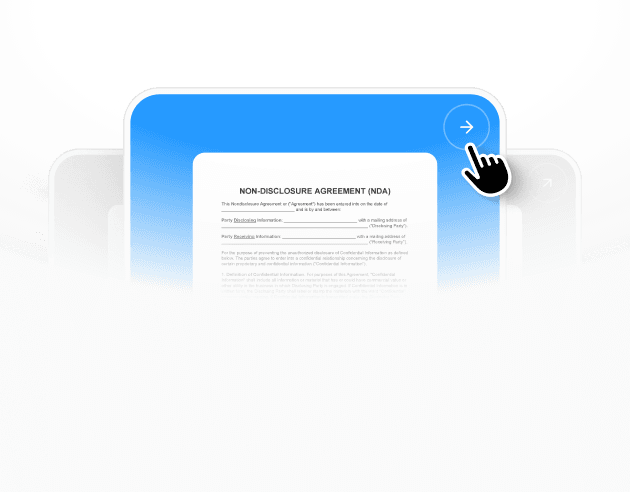
Select a template
Each template already follows legal structure and best practices.
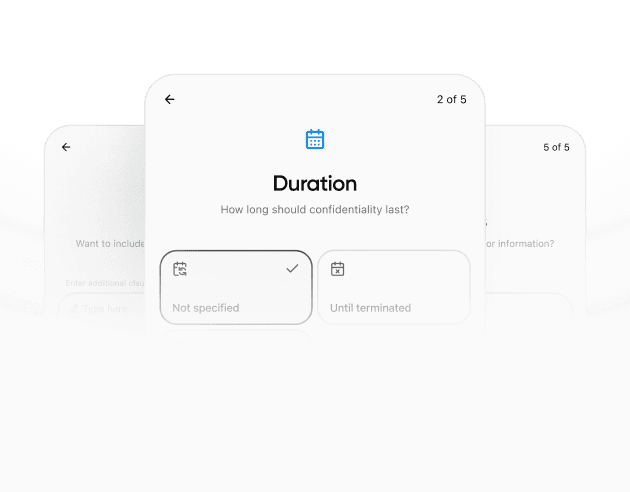
Provide details
The agreement is automatically filled and adapted to your inputs.
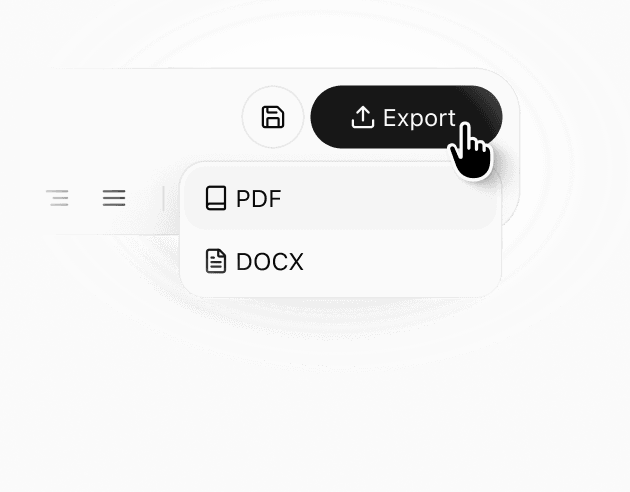
Review & download
Check the generated document, make edits if needed, and download a ready-to-use agreement.
Details
Learn more about
Business Sale/Purchase Agreement Template – Florida
Florida Business Sale/Purchase Agreement Template FAQ
What is a business sale/purchase agreement used for?
A business sale/purchase agreement documents the terms under which a buyer acquires a business from a seller. It identifies the business being sold, sets the purchase price and payment structure, and lists which assets and liabilities transfer. Because many business sales depend on contract assignments, customer relationships, and operational records, the agreement also lays out closing deliverables and any transition assistance. A well-structured agreement reduces the chance of post-closing disputes by tying the deal to schedules that describe exactly what is included and what is excluded.
How do you handle employees and contractors during a business transfer?
Employee and contractor issues often depend on the buyer’s operational plan and the seller’s existing arrangements. The agreement can identify key people, whether the buyer will offer continued work, and whether any contractor assignments are required. Even when the buyer is not taking over staff, it helps to document how roles will be covered after closing so the business can operate without interruption. A handover matrix can be a practical tool because it lists names, roles, and the intended transition plan in one place.
What are “conditions to closing” and why are they important?
Conditions to closing are items that must be completed before the parties are required to close, such as obtaining financing, securing third-party consents, or finalizing a lease assignment. If a condition is not met, the agreement can allow a delay, a waiver, or termination depending on how the parties negotiate the clause. Conditions help the buyer avoid paying before the deal is truly feasible, and they help the seller avoid a prolonged process with no defined end point. A checklist format keeps conditions visible and makes progress easier to track.
Should the agreement include a non-compete or non-solicitation clause?
These clauses are often negotiated when the buyer is paying for goodwill and wants protection against the seller competing immediately after the sale. If used, the agreement should define the restricted activities, geographic scope, and duration. A non-solicitation clause can be a narrower alternative that focuses on customers and employees rather than broad competition. Because restrictive covenants can be sensitive and fact-specific, the parties should ensure the clause reflects the real business risk they are trying to manage rather than using overly broad language.
How do you handle purchase price adjustments for inventory or receivables?
Some deals use a fixed price, while others adjust the price based on inventory levels, receivables, or prepaid expenses as of closing. If an adjustment is used, the agreement should define the measurement method, who performs the count or calculation, and how disputes are resolved. It should also state when the final adjustment payment is due after closing. Clear adjustment mechanics reduce arguments about valuation and help the buyer avoid paying for assets that were not actually delivered or that were overstated at closing.
What should be included in the closing deliverables schedule?
A closing deliverables schedule should list the documents and items each party must deliver, including bills of sale, assignments, consent letters, access credentials, and any transition documentation. If the business relies on online accounts, listing required credential transfers and administrator changes is especially important. The schedule can also include a closing statement and a record-transfer list so the buyer can operate immediately. The more complete the deliverables list is, the less likely the parties will discover missing items after funds have been paid and control has changed.
Where does AI Lawyer fit into drafting a business sale agreement?
AI Lawyer can help you assemble a deal-focused draft that uses schedules and checklists to reduce ambiguity. Instead of starting with generic language, you can define included and excluded assets, map liabilities, and structure closing conditions in a way that matches how your transaction will actually close. A structured draft helps both sides negotiate faster because the parties can review concrete schedules and confirm what documents will be exchanged. After drafting, you can refine the terms to match the business’s operations and the buyer’s transition plan.
Similar templates