AI Assisted
Export: PDF & DOCX
Get your custom agreement in minutes
4.8 Rating
Downloaded 2865 times
Get your complete
agreement in minutes
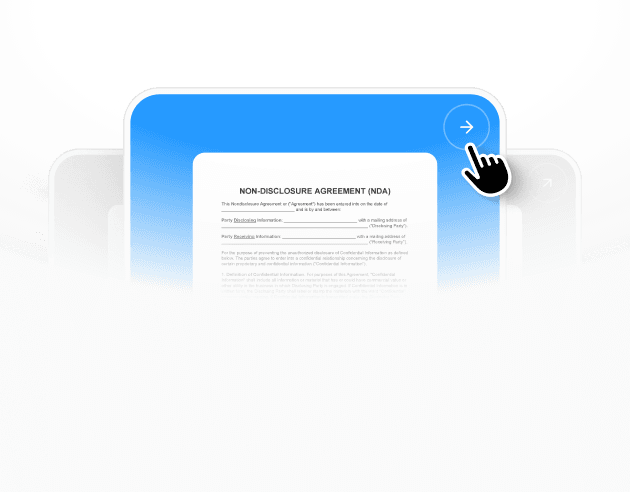
Select a template
Each template already follows legal structure and best practices.
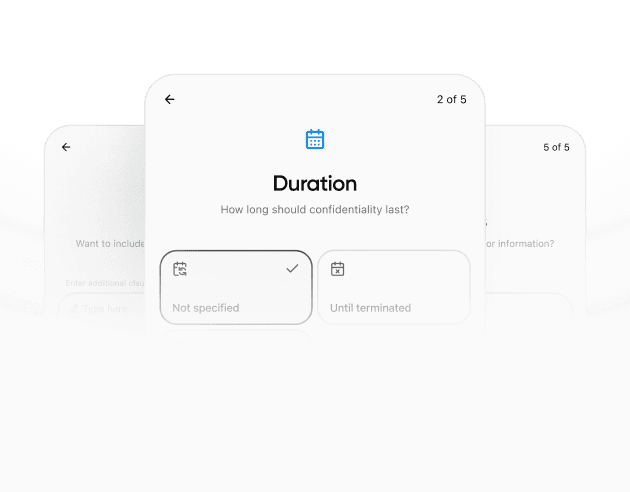
Provide details
The agreement is automatically filled and adapted to your inputs.
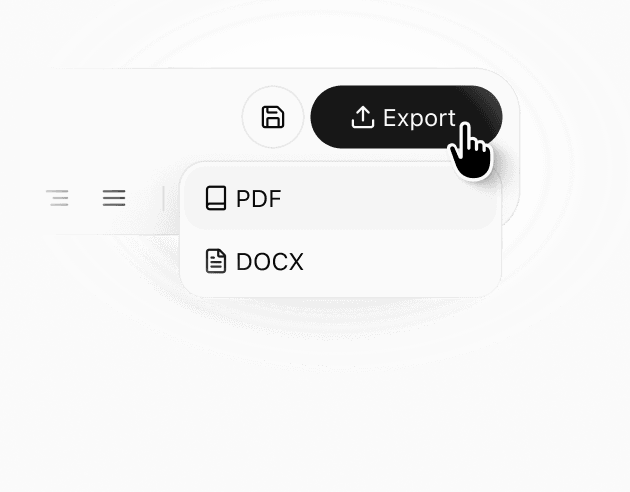
Review & download
Check the generated document, make edits if needed, and download a ready-to-use agreement.
Details
Learn more about
Business Sale/Purchase Agreement Template – California
California Business Sale/Purchase Agreement Template FAQ
What is the difference between an asset sale and a stock or membership interest sale?
In an asset sale, the buyer purchases specified assets and may assume only specified liabilities, while the seller keeps the remaining liabilities unless otherwise agreed. In a stock or membership interest sale, the buyer purchases ownership interests in the entity, which typically means the entity’s assets and liabilities remain inside the same company. The right structure depends on what is being transferred, what contracts require consent, and how the parties want to handle liabilities. The agreement should clearly match the deal structure so schedules and closing deliverables line up with what the parties intend.
How do the schedules work in a business sale agreement?
Schedules are where most of the deal is actually defined. A schedule can list included assets, excluded assets, assumed liabilities, and the closing deliverables. Using schedules keeps the core agreement readable while still capturing detailed information like equipment lists, IP, customer contracts, and licenses. The schedules should be consistent with how the purchase price is calculated, especially if inventory value or receivables are included. A good practice is to label schedules with clear titles and reference them by name in the sections that depend on them.
What should be included in the purchase price clause?
The purchase price clause should state the total amount, the deposit, the balance due at closing, and the payment method. If there is seller financing, an earnout, or installment payments, the agreement should define the due dates, interest (if any), and what happens on default. It also helps to specify whether taxes, transfer fees, and third-party costs are included in the price or handled separately. Clear pricing mechanics reduce last-minute closing delays caused by disagreements about how funds are delivered or allocated.
Why include a closing timeline table?
A timeline table keeps the transaction organized by listing the major milestones that need to happen before closing, who owns each milestone, and what proof of completion looks like. This is especially useful when third-party consents, inventory counts, or financing approvals are involved. Without a timeline, parties may assume the other side is handling an item, only to discover it is missing right before the closing date. A shared timeline supports accountability and reduces the risk of a rushed closing package.
What deliverables are commonly exchanged at closing?
Closings usually involve a bill of sale, assignments of contracts, IP transfer documents, and any necessary consent letters. If the business operates from a leased location, there may be a lease assignment or a new lease agreement. Parties often also exchange a closing statement and copies of key records needed to operate the business immediately after closing. The deliverables should be listed in the agreement so both parties know what must be ready on the closing date and what can be delivered after closing as part of a transition period.
When is a non-compete clause used in a business sale?
Non-compete terms are often used when the buyer is paying for goodwill and wants assurance that the seller will not immediately compete for the same customers. If included, the clause should define the scope of restricted activities, the geographic area, and the duration. It should also include reasonable carve-outs where appropriate, such as passive investment or existing unrelated businesses. If the parties want non-solicitation instead of a broad non-compete, that can be stated separately to focus on customer and employee relationships rather than general competition.
How can AI Lawyer help you draft a business sale agreement faster?
AI Lawyer can help you produce a structured first draft that matches the deal format, with clean schedules for included assets, excluded assets, and assumed liabilities. The key is to provide accurate transaction facts — what is being sold, how price is paid, what contracts need consent, and what transition support is expected. A structured draft makes negotiation easier because each party can comment on specific schedules and closing deliverables rather than debating general language. After drafting, you can refine the terms to fit the operational reality of the business being transferred.
Similar templates