

The best car accident lawyer is rarely the one with the biggest billboard. It is the one with a real trial record in your state, a clear fee agreement, time to return your calls, and no history of discipline with the state bar. Because "best" depends on where you live and how serious your case is, this guide focuses on how to find and vet the right lawyer for your situation, what they should cost, what your claim may be worth, and the red flags that separate a strong advocate from a high-volume settlement mill.
Shortlist car accident lawyers from your state bar's referral service and independent rating sites, then vet each one on four things: a genuine trial and verdict record, clean standing with the state bar, a written contingency-fee agreement (usually about one third of the recovery), and direct access to the attorney who will actually handle your case. Most car accident lawyers work on contingency and offer a free consultation, so vetting several costs you nothing.
This article is general consumer information for a U.S. audience, not legal advice. After a serious crash, speak with a licensed attorney in your state before signing anything or accepting an insurance offer.
You might also like:
- What to Do Immediately After a Car Accident
- How Much Does a Lawyer Cost?
- What You Need to Know If You've Been in a Car Accident
What makes a great car accident lawyer?
Insurance companies track which firms actually try cases. A lawyer with a credible trial record has leverage that a settle-everything-fast firm does not, and that leverage often translates into a larger offer for you.
Look past marketing to the things you can check. Most of them are public or can be confirmed in a single free consultation.

How do you find a car accident lawyer near you?
Where to look, and what each source is good for:
| Source | What it gives you |
|---|---|
| State bar lawyer referral service | Attorneys in good standing, screened by the bar, often a low-cost initial consult |
| Super Lawyers / Martindale-Hubbell | Peer-reviewed ratings and recognition by other attorneys |
| Avvo / Justia | Profiles, client reviews, disciplinary history, and contact details |
| Personal referrals | A trusted first-hand account, though still verify the four checks |
Avoid choosing from a single ad or a "top firms" list published by a firm about itself. Use those only to generate names, then verify each name independently.
How to vet a lawyer before you sign
The four checks, in detail:
- Trial record. Ask how many car accident cases the firm has taken to verdict, not just settled. Settlements are easy to count; verdicts show the insurer you are willing to litigate.
- Bar standing. Search the attorney on your state bar website for license status and any disciplinary history. This takes two minutes and is the single best filter.
- Fee agreement. Get the contingency percentage, how it changes if the case goes to litigation, and who pays case costs, all in writing before you sign.
- Direct access. Confirm you will work with a named attorney, not only a case manager, and ask how quickly calls and emails are returned.
Red flags and "settlement mills" to avoid
Other signals worth a second thought: reviews that all sound identical, a refusal to name the attorney handling your matter, and a practice that handles every kind of case rather than focusing on injury and motor-vehicle claims.
How much does a car accident lawyer cost?
A simple way to read a contingency agreement:
| Term | What to confirm |
|---|---|
| Fee percentage | The exact percent, and the tier if the case is litigated or tried |
| Case costs | Who advances them, and whether they are deducted before or after the fee |
| Free consultation | Standard in this field; you should not pay to be evaluated |
| No-recovery clause | You owe no fee if there is no recovery (true contingency) |
Because the fee is a percentage, a lawyer who can grow the total recovery often nets you more even after taking a larger share. For a wider view of legal pricing, see our guide on how much a lawyer costs.
When do you actually need a car accident lawyer?
%22%3E%3Cg%20transform%3D%22translate(0%2C0)%22%3E%3Ccircle%20cx%3D%2212%22%20cy%3D%228%22%20r%3D%226%22%20fill%3D%22%230fa371%22%2F%3E%3Ctext%20x%3D%2228%22%20y%3D%2212%22%20font-family%3D%22-apple-system%2CSegoe%20UI%2CRoboto%2CHelvetica%2CArial%2Csans-serif%22%20font-size%3D%2213%22%20fill%3D%22%232c2c36%22%3ENo%20injuries%20to%20anyone%3C%2Ftext%3E%3C%2Fg%3E%3Cg%20transform%3D%22translate(0%2C30)%22%3E%3Ccircle%20cx%3D%2212%22%20cy%3D%228%22%20r%3D%226%22%20fill%3D%22%230fa371%22%2F%3E%3Ctext%20x%3D%2228%22%20y%3D%2212%22%20font-family%3D%22-apple-system%2CSegoe%20UI%2CRoboto%2CHelvetica%2CArial%2Csans-serif%22%20font-size%3D%2213%22%20fill%3D%22%232c2c36%22%3EFault%20is%20clear%20and%20undisputed%3C%2Ftext%3E%3C%2Fg%3E%3Cg%20transform%3D%22translate(0%2C60)%22%3E%3Ccircle%20cx%3D%2212%22%20cy%3D%228%22%20r%3D%226%22%20fill%3D%22%230fa371%22%2F%3E%3Ctext%20x%3D%2228%22%20y%3D%2212%22%20font-family%3D%22-apple-system%2CSegoe%20UI%2CRoboto%2CHelvetica%2CArial%2Csans-serif%22%20font-size%3D%2213%22%20fill%3D%22%232c2c36%22%3EMinor%20property%20damage%20only%3C%2Ftext%3E%3C%2Fg%3E%3C%2Fg%3E%3Crect%20x%3D%22380%22%20y%3D%2220%22%20width%3D%22340%22%20height%3D%22194%22%20rx%3D%2216%22%20fill%3D%22%23ede9ff%22%20stroke%3D%22%23cdbcff%22%2F%3E%3Ctext%20x%3D%22404%22%20y%3D%2254%22%20font-family%3D%22-apple-system%2CSegoe%20UI%2CRoboto%2CHelvetica%2CArial%2Csans-serif%22%20font-size%3D%2214%22%20font-weight%3D%22800%22%20fill%3D%22%233d22d4%22%3EStrongly%20consider%20a%20lawyer%3C%2Ftext%3E%3Cg%20transform%3D%22translate(404%2C82)%22%3E%3Cg%20transform%3D%22translate(0%2C0)%22%3E%3Ccircle%20cx%3D%2212%22%20cy%3D%228%22%20r%3D%226%22%20fill%3D%22%235b3df5%22%2F%3E%3Ctext%20x%3D%2228%22%20y%3D%2212%22%20font-family%3D%22-apple-system%2CSegoe%20UI%2CRoboto%2CHelvetica%2CArial%2Csans-serif%22%20font-size%3D%2213%22%20fill%3D%22%232c2c36%22%3EAny%20injury%2C%20now%20or%20later%3C%2Ftext%3E%3C%2Fg%3E%3Cg%20transform%3D%22translate(0%2C30)%22%3E%3Ccircle%20cx%3D%2212%22%20cy%3D%228%22%20r%3D%226%22%20fill%3D%22%235b3df5%22%2F%3E%3Ctext%20x%3D%2228%22%20y%3D%2212%22%20font-family%3D%22-apple-system%2CSegoe%20UI%2CRoboto%2CHelvetica%2CArial%2Csans-serif%22%20font-size%3D%2213%22%20fill%3D%22%232c2c36%22%3EDisputed%20or%20shared%20fault%3C%2Ftext%3E%3C%2Fg%3E%3Cg%20transform%3D%22translate(0%2C60)%22%3E%3Ccircle%20cx%3D%2212%22%20cy%3D%228%22%20r%3D%226%22%20fill%3D%22%235b3df5%22%2F%3E%3Ctext%20x%3D%2228%22%20y%3D%2212%22%20font-family%3D%22-apple-system%2CSegoe%20UI%2CRoboto%2CHelvetica%2CArial%2Csans-serif%22%20font-size%3D%2213%22%20fill%3D%22%232c2c36%22%3ECommercial%20vehicle%20or%20multiple%20parties%3C%2Ftext%3E%3C%2Fg%3E%3Cg%20transform%3D%22translate(0%2C90)%22%3E%3Ccircle%20cx%3D%2212%22%20cy%3D%228%22%20r%3D%226%22%20fill%3D%22%235b3df5%22%2F%3E%3Ctext%20x%3D%2228%22%20y%3D%2212%22%20font-family%3D%22-apple-system%2CSegoe%20UI%2CRoboto%2CHelvetica%2CArial%2Csans-serif%22%20font-size%3D%2213%22%20fill%3D%22%232c2c36%22%3EInsurer%20delaying%2C%20denying%2C%20or%20lowballing%3C%2Ftext%3E%3C%2Fg%3E%3C%2Fg%3E%3C%2Fsvg%3E)
The statute of limitations is the hard deadline to file a lawsuit, and it varies by state, commonly two to three years from the date of the crash, though some states allow more and a few less. Miss it and the claim is usually barred, so check your state's deadline early. See the state-by-state comparison below for the exact deadline and fault rule in nine major states.
What is your car accident claim worth?
Two factors quietly control the result. The first is documentation: medical records, a consistent treatment history, photos, and a clear timeline. The second is your state's fault rule, which decides how shared blame affects the payout.
Do not anchor on the insurer's first offer. Early offers are typically well below the full value of a claim, and accepting one usually closes the door on future treatment costs. Our guide on what to know after a car accident walks through the first steps that protect your claim.
How state law changes your case: 9 states compared
Use this table to orient yourself before the consultation, then confirm the details with a licensed attorney in your state — thresholds and minimums change:
| State | Fault system | Deadline to sue (injury) | Minimum liability | Key rule to know |
|---|---|---|---|---|
| Georgia | At-fault, modified comparative negligence | 2 years (O.C.G.A. § 9-3-33) | 25/50/25 | Recovery barred at 50%+ fault |
| Illinois | At-fault, modified comparative negligence | 2 years injury (735 ILCS 5/13-202), 5 years property (735 ILCS 5/13-205) | 25/50/20 | Recovery barred only if more than 50% at fault; a plaintiff exactly 50% at fault can still recover (735 ILCS 5/2-1116) |
| Massachusetts | No-fault (PIP) | 3 years (M.G.L. c. 260, § 2A) | 25/50/30 | PIP pays up to $8,000; pain-and-suffering suits require the tort threshold — $2,000+ in medical bills or permanent injury (M.G.L. c. 231, § 6D) |
| Michigan | No-fault, PIP choice since 2020 reform | 1 year for PIP benefits (MCL 500.3145); 3 years to sue the at-fault driver (MCL 600.5805(2)) | 50/100/10 (residual liability) | Lawsuits require a "serious injury": death, permanent serious disfigurement, or serious impairment of body function (MCL 500.3135); over-50% fault bars non-economic damages |
| New Jersey | Choice no-fault (Basic vs. Standard policy) | 2 years (N.J.S.A. 2A:14-2) | Basic Policy: $15,000 PIP + $5,000 property damage liability (bodily injury liability optional) | Your own policy election — "Limitation on Lawsuit" or not (N.J.S.A. 39:6A-8) — decides whether you can sue for pain and suffering |
| New York | No-fault (PIP) | 3 years (CPLR § 214) | 25/50/10 + $50,000 PIP | Pain-and-suffering suits require the "serious injury" threshold (Insurance Law §§ 5102, 5104) |
| North Carolina | At-fault, pure contributory negligence | 3 years injury or property, 2 years wrongful death (N.C.G.S. §§ 1-52, 1-53) | 50/100/50 | Even 1% at fault can bar all recovery — one of the harshest rules in the country |
| Ohio | At-fault, modified comparative negligence | 2 years (Ohio Rev. Code § 2305.10) | 25/50/25 | Recovery as long as your fault is not greater than that of all others combined (50% or less); award reduced by your fault share (§ 2315.33) |
| Pennsylvania | Choice no-fault (Limited vs. Full Tort) | 2 years (42 Pa.C.S. § 5524) | 15/30/5 | Limited Tort waives pain-and-suffering claims unless the injury qualifies as "serious" |
Shorthand like "25/50/25" means bodily-injury liability per person / per accident / property damage, in thousands of dollars.
Two practical consequences for choosing and working with a lawyer. First, the negligence standard changes how careful you must be in early statements to insurers: in a contributory negligence state like North Carolina, a casual admission of partial fault can zero out the claim, so say less and let counsel speak. Second, in no-fault states the medical documentation that proves you crossed the injury threshold matters as much as proving the other driver's mistake — ask every candidate lawyer how they build threshold evidence. Both are exactly the kind of state-specific questions the free consultation exists to answer.
Questions to ask in the free consultation
Bring the same questions to each lawyer so you can compare answers side by side:
- How many car accident cases have you taken to verdict, and what were the results?
- Will you personally handle my case, and who else will work on it?
- What is your contingency fee, and how does it change if we litigate?
- Are case costs advanced by the firm, and deducted before or after the fee?
- What is the statute of limitations for my crash, and how much time do we have?
- What is your honest assessment of fault and the range my case might be worth?
- How and how often will you update me?
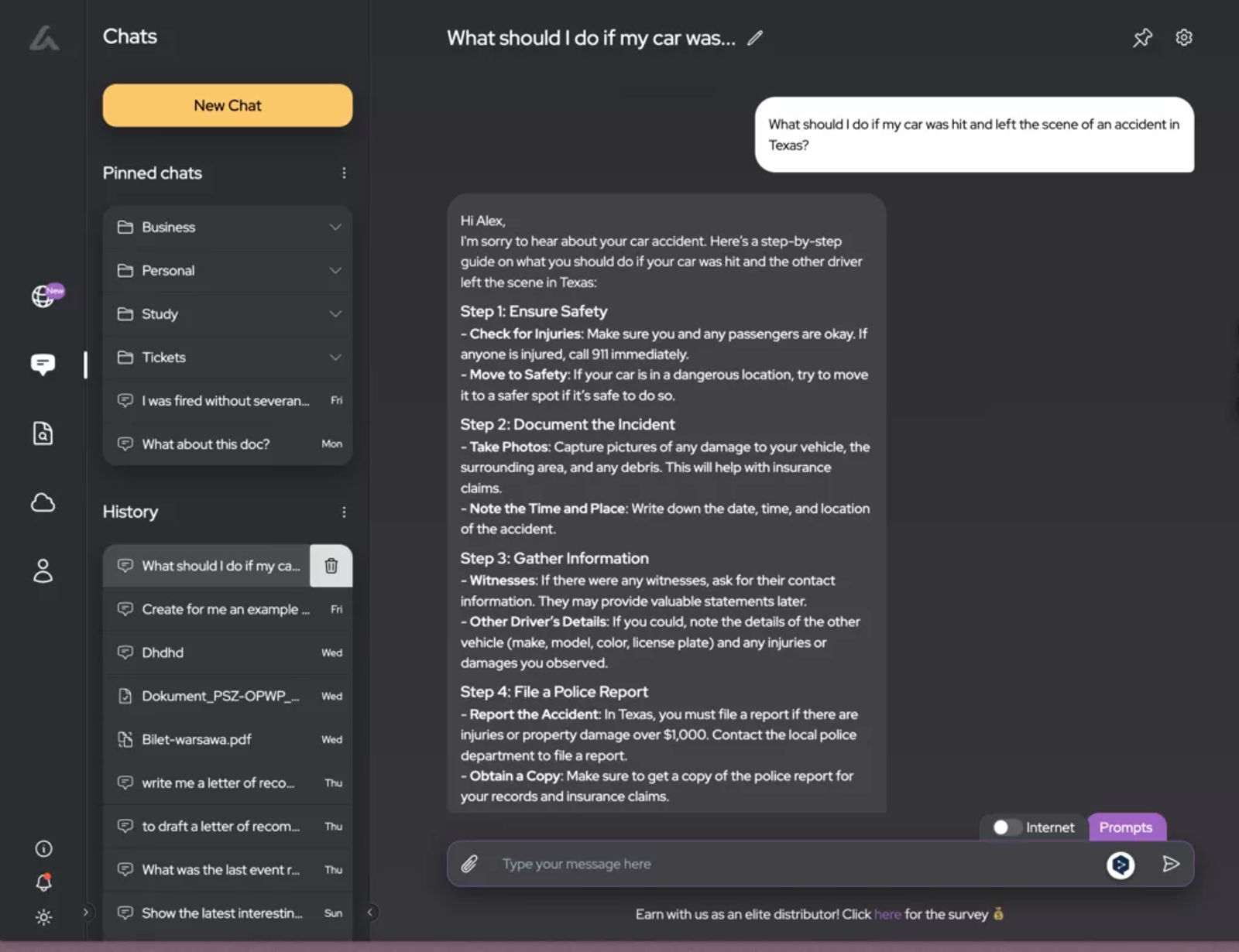
How AI helps you prepare
For solo preparation this is genuinely useful: a clear file and a list of sharp questions make every consultation more productive, and they help you tell a strong firm from a settlement mill faster.
A note on "top firms" lists
Many "top 10 car accident lawyers" pages are written by a firm about itself, or list large national practices that may never appear in your local courtroom. National firms such as Morgan and Morgan operate across many states on contingency, and they can be a reasonable option for some cases, but the strongest choice is usually a lawyer who tries cases where your claim will be heard. Treat every ranking as a source of names to verify, never as a verdict. Run the four checks, and let the trial record and the fee agreement decide.
Frequently asked questions
How do I choose the best car accident lawyer?
How much does a car accident lawyer charge?
Do I need a lawyer for a minor car accident?
How long do I have to file a car accident claim?
What is my car accident claim worth?
Should I accept the insurance company's first offer?
What is a settlement mill?
Can AI Lawyer represent me in a car accident case?
%22%2F%3E%3Cline%20x1%3D%22120%22%20y1%3D%2286%22%20x2%3D%22200%22%20y2%3D%2286%22%20opacity%3D%22.85%22%2F%3E%3Cline%20x1%3D%22120%22%20y1%3D%22110%22%20x2%3D%22200%22%20y2%3D%22110%22%20opacity%3D%22.6%22%2F%3E%3Cline%20x1%3D%22120%22%20y1%3D%22134%22%20x2%3D%22184%22%20y2%3D%22134%22%20opacity%3D%22.6%22%2F%3E%3Cline%20x1%3D%22120%22%20y1%3D%22158%22%20x2%3D%22200%22%20y2%3D%22158%22%20opacity%3D%22.45%22%2F%3E%3Cline%20x1%3D%22120%22%20y1%3D%22182%22%20x2%3D%22168%22%20y2%3D%22182%22%20opacity%3D%22.45%22%2F%3E%3C%2Fg%3E%3Cg%20fill%3D%22%235b3df5%22%3E%3Cpath%20d%3D%22M214%2036%20l7%2018%2018%207%20-18%207%20-7%2018%20-7%20-18%20-18%20-7%2018%20-7%20z%22%2F%3E%3Ccircle%20cx%3D%22250%22%20cy%3D%2292%22%20r%3D%224%22%20opacity%3D%22.8%22%2F%3E%3C%2Fg%3E%3C%2Fsvg%3E)
Disclaimer: This information is for general knowledge and does not constitute legal advice. For guidance on your specific situation, consult a qualified attorney licensed in your state.