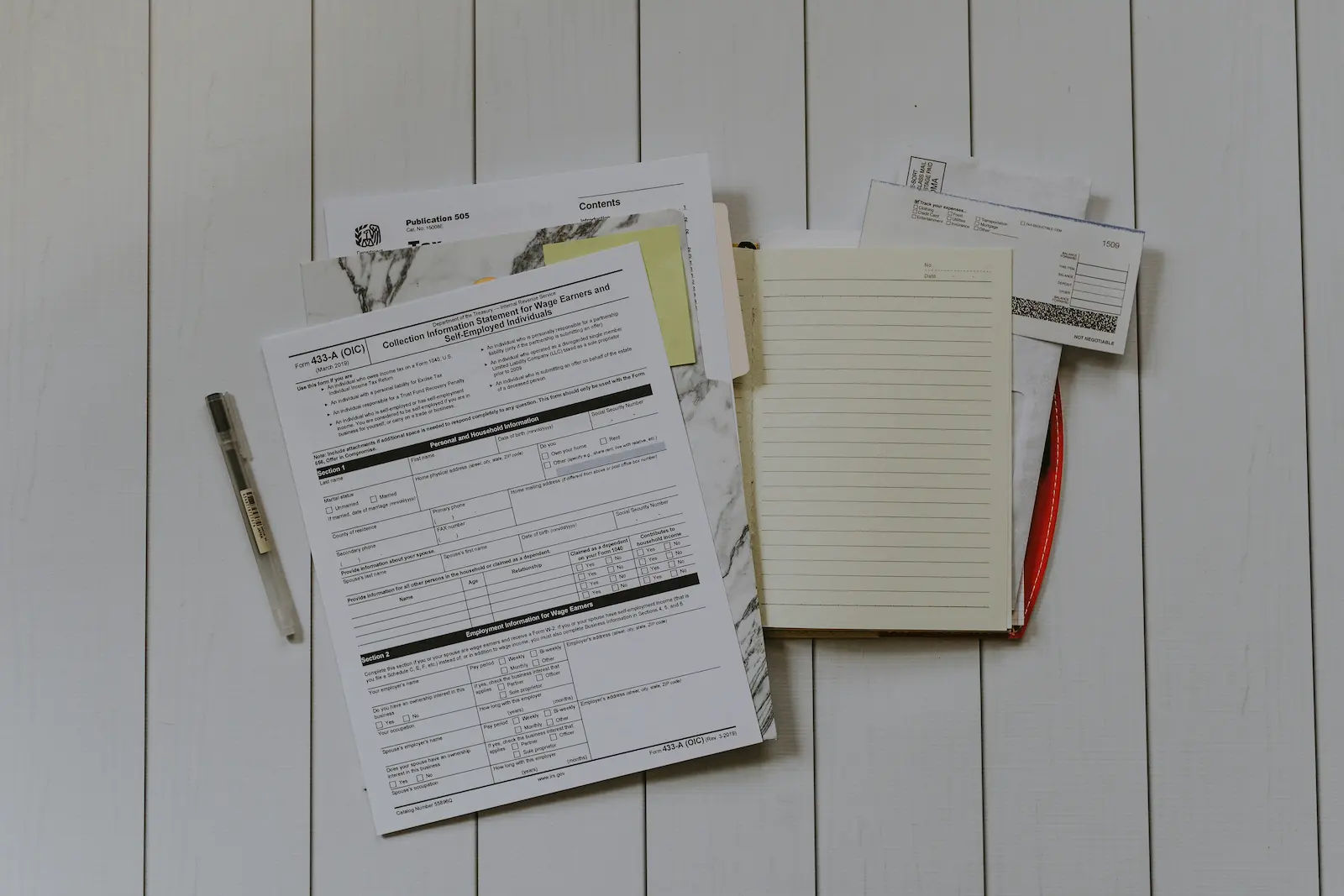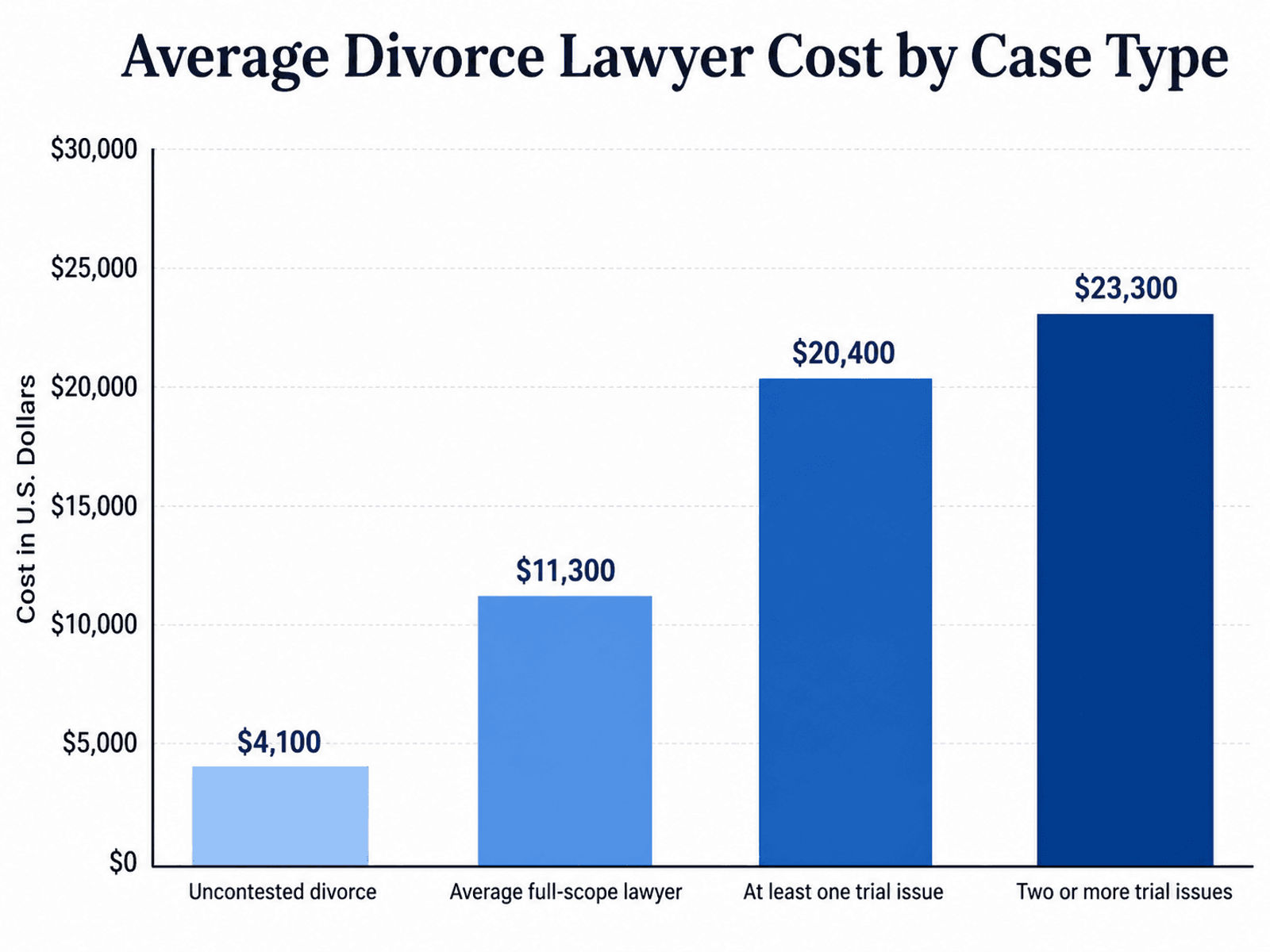



Divorce is never easy, but if you and your spouse agree on the terms, you might consider filing for divorce on your own to save on legal costs. In Texas, an uncontested divorce — where both spouses agree on property division, child custody, and support arrangements — can often be completed without an attorney. This comprehensive guide outlines each step to file for divorce in Texas on your own and provides important tips on making the process smoother.
You Might Also Like:
Preparing for a Do-It-Yourself Divorce: Tips and Considerations
Preparing for a DIY divorce involves more than filling out forms. Before filing, make sure you have all necessary documents and information in order. Here are some tips to help prepare:
-
Gather Financial Records: Collect copies of tax returns, pay stubs, bank statements, retirement accounts, property deeds, and other important financial documents. Having a clear picture of your assets and debts is crucial for equitable division.
-
Organize Child-Related Information (if applicable): If you have children, organize documents related to their health, education, and financial needs. Be prepared to discuss custody, visitation schedules, and support, as these must be settled in an uncontested divorce.
-
Understand Your Rights and Obligations: Research Texas divorce laws and community property rules to understand how assets are divided. Familiarize yourself with child custody standards to prepare for discussions on custody and support arrangements.
-
Seek Financial Advice if Needed: Divorce can impact your finances long-term, so consult with a financial advisor if you need guidance on issues like dividing retirement accounts or managing joint debts.
Being thoroughly prepared can simplify the DIY process and ensure all areas are covered in the divorce agreement.
Common Mistakes to Avoid in a DIY Divorce
Filing for divorce on your own can save money, but mistakes can lead to delays or further legal complications. Here are common mistakes to avoid:
-
Inaccurate or Incomplete Forms: Carefully fill out all forms required for your divorce, as missing information can delay the process. Double-check for any missed sections, especially on the Final Decree of Divorce, as it’s the primary document for your case.
-
Not Fully Understanding Community Property Laws: In Texas, all assets and debts acquired during the marriage are considered community property. If you aren’t aware of this, you may overlook shared debts or fail to claim assets you’re entitled to. Research Texas laws or consult a professional to clarify.
-
Skipping the Waiting Period: Texas law requires a 60-day waiting period, and skipping this requirement can result in dismissal. Be sure to adhere to all state-specific requirements and deadlines.
-
Failure to Serve Properly: If your spouse isn’t served correctly, the court may not proceed with your case. Ensure that your spouse receives the Petition for Divorce by an approved method (such as a process server, sheriff, or Waiver of Service).
-
Overlooking Legal Review: While you may not need full representation, having an attorney review your documents before filing can catch errors and protect your interests. A brief consultation could prevent costly mistakes and help you feel more confident about the process.
Avoiding these common pitfalls can help you move through the divorce process efficiently, while ensuring that your divorce agreement is complete and fair.
How AI Lawyer Can Help You Save on Divorce Costs

Navigating a divorce without a lawyer in Texas can seem daunting, but AI Lawyer makes the process more accessible and affordable. Our AI-powered platform is designed to support you with essential tools, guiding you through document drafting, legal research, and content creation specifically tailored for legal needs. By using AI Lawyer, you can handle key steps in the divorce process on your own, potentially saving hundreds or even thousands on attorney fees.
Our platform provides tools to streamline tasks like filling out petitions, organizing case notes, and comparing legal documents, reducing the need for expensive legal consultations. AI Lawyer can even help with understanding complex Texas divorce terms and guidelines, allowing you to proceed confidently through each step.
Key Features of AI Lawyer
-
Legal Document Drafting and Comparison: Create and review divorce documents quickly and accurately.
-
Legal Research Tools: Access up-to-date resources on Texas divorce laws, property division, and child custody, helping you make informed decisions.
-
24/7 Availability: Available on web, iOS, and Android, AI Lawyer is accessible anytime, making it easy to manage tasks when it’s convenient for you.
Why Choose AI Lawyer for DIY Divorce?
AI Lawyer allows you to control the divorce process while saving on legal expenses. Our automated tools handle essential divorce tasks, allowing you to proceed confidently without missing critical steps or overspending on legal fees. While some complex cases may still require an attorney, AI Lawyer provides reliable support for managing uncontested divorce cases affordably and efficiently.

Filing for Divorce in Texas Without a Lawyer: A Complete Guide
Learn how to file for divorce in Texas without an attorney with this step-by-step guide, covering eligibility, forms, filing procedures, and helpful tips for a smooth process.
1. Determine Eligibility to File in Texas
Before you start, confirm that you or your spouse meets Texas residency requirements:
-
One of you must have lived in Texas for at least six months.
-
You must have resided in the county where you file for at least 90 days.
If you or your spouse does not meet these requirements, you’ll need to wait until residency is established before proceeding with a divorce.
2. Decide on Grounds for Divorce
Texas recognizes both “no-fault” and “fault” divorces. For a no-fault divorce, you can cite “insupportability,” meaning the marriage has broken down due to irreconcilable differences. No-fault divorces are simpler to handle without a lawyer, as they don’t involve proving one spouse’s misconduct.
If your case involves fault grounds like adultery, cruelty, or abandonment, consulting an attorney is recommended due to the complexities of proving these claims, which could impact property division or custody.
3. Gather and Prepare Required Documents
To file for divorce, you’ll need to gather several forms, which differ depending on your situation:
-
Case Information Sheet: Provides general information about you and your spouse.
-
Original Petition for Divorce: This main document initiates the divorce process and outlines basic information, including the grounds for divorce, and if applicable, details regarding children, property, and custody arrangements.
-
Information on Suit Affecting the Family Relationship (if you have children): Required for any divorce involving minors.
These forms are available on TexasLawHelp.org or at your local courthouse. The Texas Supreme Court offers standardized forms for uncontested divorces that can simplify the process.
4. File the Petition with the Court
Once your forms are ready, file the Original Petition for Divorce with the District Court in your county. You will also need to pay a filing fee, which varies but generally ranges from $200 to $300. If you can’t afford the fee, you may qualify for a waiver by submitting an Affidavit of Indigency.
The court will stamp your forms, officially marking the start of your divorce proceedings.
5. Serve Your Spouse with the Divorce Papers
After filing, legally serve your spouse with a copy of the Petition. In Texas, you can serve papers through a:
-
Process server
-
County sheriff
-
Waiver of Service (if your spouse agrees)
If your spouse signs a Waiver of Service, they acknowledge receipt of the papers without requiring formal service, streamlining the process.
6. Complete the Financial Information Statement
If your divorce involves property division, child support, or alimony, you may need to file a Financial Information Statement. This document lists your income, expenses, assets, and debts, providing the court with a clear picture of each spouse’s financial situation.
7. Draft a Final Decree of Divorce
The Final Decree of Divorce is a legally binding document outlining all divorce terms, such as asset division, custody, and support agreements. It’s crucial to complete this decree accurately and thoroughly. Any errors could lead to future legal issues, so carefully review each section.
Both you and your spouse should agree on and sign the decree before submitting it to the court. Note that if your spouse refuses to sign, your divorce becomes contested, requiring further court intervention.
8. Observe the 60-Day Waiting Period
Texas law mandates a 60-day waiting period after filing the Petition before finalizing the divorce. The waiting period begins the day after you file. Exceptions are granted in cases involving domestic violence, where waiting may be waived to expedite the process.
During this time, use the waiting period to double-check your forms, ensure all documentation is accurate, and complete any court-mandated requirements, like parenting courses (if you have children).
9. Attend the Final Hearing
After the waiting period, you can schedule a hearing to finalize your divorce. At the hearing, you’ll need to:
-
Present your case to the judge, confirming the information in your Petition and Final Decree.
-
Bring all relevant documents, including the signed Waiver of Service (if applicable) and Final Decree.
If the judge finds all documents in order and you meet the legal requirements, they will sign your Final Decree of Divorce.
10. File the Final Decree with the Court Clerk
Once the judge signs your decree, file it with the court clerk. This step finalizes your divorce, legally ending your marriage. Retain a certified copy for your records and future reference.
Important Considerations When Filing for Divorce Without a Lawyer
While filing for divorce on your own can save money, it’s not always the best option in complex cases. Consider consulting an attorney if:
-
You or your children are in danger.
-
There are substantial assets, including real estate or retirement accounts, to divide.
-
You or your spouse seek spousal support.
-
Custody, visitation, or child support issues are contested.
-
You believe your spouse may be hiding assets or financial information.
In cases involving these elements, legal representation can help protect your rights, ensure fair division, and provide guidance through Texas family law’s more complicated aspects.
Final Thoughts on Filing for Divorce in Texas Without a Lawyer
Filing for divorce on your own in Texas is possible if both parties agree on key issues. This step-by-step guide can help you navigate the requirements and complete the process with confidence. However, if you encounter challenges or have doubts, seeking legal advice could ensure a smoother, less stressful experience.
Conclusion
Filing for divorce in Texas without a lawyer can be a practical, cost-effective option, especially for uncontested cases where both parties agree on important issues like property division, child custody, and support. By carefully following each step — from meeting residency requirements and gathering necessary documents to completing the Final Decree of Divorce — you can successfully manage the process on your own. However, it’s essential to recognize the limits of self-representation. For complex matters involving substantial assets, contested custody, or personal safety concerns, consulting an attorney is strongly advised. Taking the time to understand your rights and obligations will help you navigate this challenging period with greater confidence and peace of mind.
You Might Also Like:
FAQ
Can I file for divorce in Texas without a lawyer?
Yes, Texas law allows individuals to file for divorce without a lawyer, particularly in uncontested cases where both spouses agree on key issues like asset division and child custody. This is known as a “pro se” or DIY divorce.
What are the requirements to file for divorce in Texas?
To file for divorce in Texas, either you or your spouse must have lived in Texas for at least six months and in the county where you’re filing for at least 90 days.
What does “no-fault” divorce mean in Texas?
A no-fault divorce allows you to end the marriage without blaming either spouse for misconduct. The most common ground is “insupportability,” meaning there are irreconcilable differences, and reconciliation is not possible.
What forms do I need to file for a DIY divorce in Texas?
Key forms include the Original Petition for Divorce, Case Information Sheet, Information on Suit Affecting the Family Relationship (if there are children), and the Final Decree of Divorce. These forms can be obtained from TexasLawHelp.org or your local courthouse.
How much does it cost to file for divorce in Texas?
The filing fee typically ranges from $200 to $300, depending on the county. If you can’t afford this, you may qualify for a waiver by filing an Affidavit of Indigency.
How do I serve my spouse with the divorce papers?
You can serve papers through a process server, sheriff, or by having your spouse sign a Waiver of Service if they agree to waive formal service.
Is there a waiting period for divorce in Texas?
Yes, Texas law requires a 60-day waiting period after filing the divorce petition before it can be finalized. This waiting period is intended to allow time for possible reconciliation but can be waived in cases involving family violence.
When should I consider hiring a lawyer, even for a DIY divorce?
Consider hiring a lawyer if your case involves complex issues such as contested child custody, division of significant assets, spousal support, or if you have safety concerns. Legal representation can help protect your rights in these situations.
Sources and References
Information on Texas divorce procedures and filing requirements is drawn from official resources provided by the Texas Judicial Branch and TexasLawHelp.org, including guides on uncontested divorces and self-representation.
Legal definitions of community property, residency, and waiting periods reference the Legislative Information (bills & updates) and instructions from the Supreme Court of Texas Approved Divorce Forms.
Additional insights on filing fees, financial statements, and service requirements are informed by local county clerk procedures and educational materials from the State Bar of Texas – Family Law Section.
Disclaimer: This information is for general knowledge and does not constitute legal advice. For guidance on your specific situation, consult a qualified attorney licensed in your state.