AI Assisted
Export: PDF & DOCX
Get your custom agreement in minutes
4.8 Rating
Downloaded 4126 times
Get your complete
agreement in minutes

Select a template
Each template already follows legal structure and best practices.
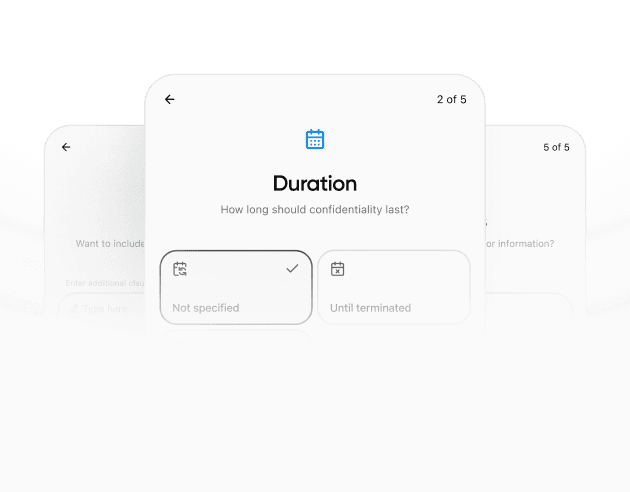
Provide details
The agreement is automatically filled and adapted to your inputs.
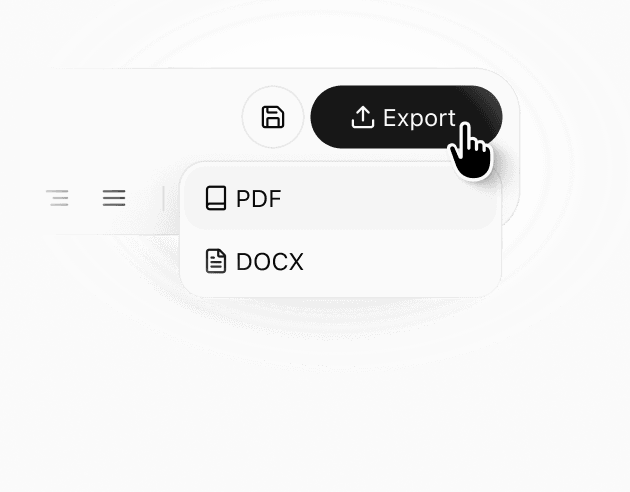
Review & download
Check the generated document, make edits if needed, and download a ready-to-use agreement.
Details
Learn more about
Trademark Assignment Agreement Template – Texas
Texas Trademark Assignment Agreement Template FAQ
How should consideration be described in a trademark assignment?
Consideration can be stated as a specific dollar amount or as 'other good and valuable consideration,' depending on the transaction. In a sale, parties often list the payment amount and timing, while in an internal transfer they may use the general phrase to keep the agreement simple. The main point is that the agreement reflects that a transfer is being made under an exchange of value, even if the value is part of a broader deal. If payment is staged, a short payment table can make the timing clear without expanding the core assignment clause. Consistency with other deal documents also helps.
What if the trademark owner is an LLC or corporation with multiple signers?
If an entity is involved, the agreement should identify the legal name, formation jurisdiction, and principal address so ownership is clear. The signature block can then capture the authorized signer’s name and title and, if desired, a second signatory or attestation line for internal governance. The goal is not to impose a formal corporate process, but to make it clear that the person signing has authority. If authority could be questioned, parties sometimes attach a corporate resolution as an exhibit. In most cases, a clear name-and-title signature block is enough to show execution by an authorized representative.
Why include a further assurances clause in a trademark assignment?
Further assurances clauses require the parties, usually the assignor, to take additional reasonable steps after signing to complete the transfer, such as signing short-form documents or responding to registry requests. This matters because trademark offices and third parties may request specific forms or clarifications that were not anticipated during drafting. Without a cooperation clause, a small administrative request can turn into a dispute over whether the assignor must help. A narrowly written clause keeps the obligation reasonable while protecting the assignee’s ability to perfect and document the transfer. It also helps if multiple jurisdictions are involved.
Can a trademark assignment include a short transition license?
Yes, if the parties want the assignor to keep using the mark briefly while the assignee completes rebranding steps, inventory sell-through, or operational handoffs. A transition license should be limited by time, scope, and quality control expectations so ownership remains clear. Without license terms, ongoing use can create confusion about who controls the mark and whether the transfer was complete. A short table that states the term, territory, and permitted uses is often enough to keep the transition orderly. If no transition is intended, the agreement can state that no rights to use are retained by the assignor.
How do you handle trademarks that are part of a broader IP bundle?
If the transaction includes other intellectual property, the assignment can include a module that lists related assets, such as logos, taglines, domain names, and brand guidelines, to the extent the parties want them transferred. Keeping the list in an exhibit helps prevent clutter in the core trademark clause. The agreement can also clarify what is excluded, such as the assignor’s pre-existing templates or unrelated marks. The goal is to match the legal transfer to the business intent so the assignee can operate the brand without missing critical assets. Clear schedules reduce post-closing disputes.
What is the role of recordation if the assignee will use the mark immediately?
Even if the assignee begins using the mark right away, recordation is still useful to align public records and third-party references with the new ownership. It can also reduce confusion if the assignee needs to enforce the mark or respond to marketplace takedown requests. The agreement can designate who will handle filings and how filing proof will be documented. Treat recordation as an administrative follow-through step rather than a substitute for the assignment itself. A simple tracker that lists the office and filing reference is often enough to keep the task from being forgotten after closing.
Can AI Lawyer help me create a tailored assignment for a purchase transaction?
AI Lawyer can help you structure a trademark assignment so the payment terms, schedules, and post-closing cooperation pieces are organized and consistent. For example, you can add a payment schedule table, an asset bundle exhibit, and a deliverables checklist so the transaction is easier to execute. You still choose the commercial terms and confirm the marks being transferred, but a clean template reduces the chance that critical items are omitted. A more complete document set can also make later filings and bank or investor diligence easier because the chain of title is clearer.
Similar templates