AI Assisted
Export: PDF & DOCX
Get your custom agreement in minutes
4.8 Rating
Downloaded 2417 times
Get your complete
agreement in minutes
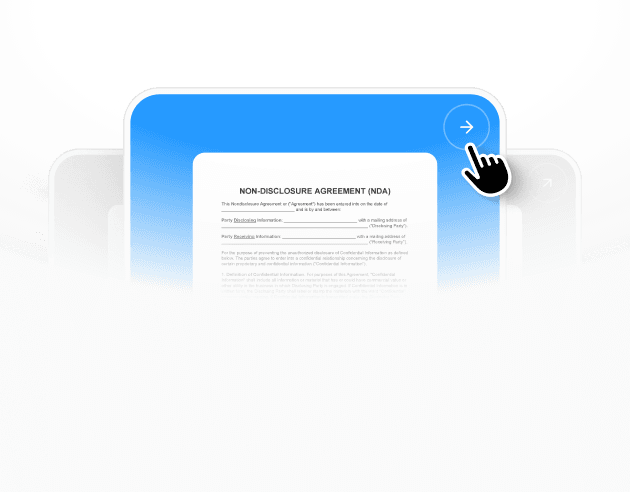
Select a template
Each template already follows legal structure and best practices.
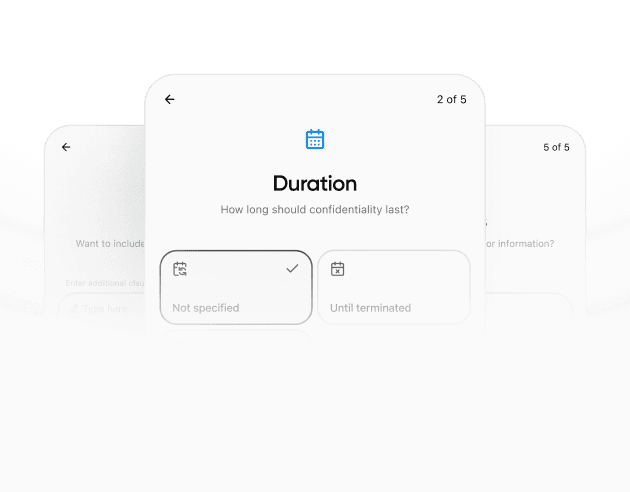
Provide details
The agreement is automatically filled and adapted to your inputs.
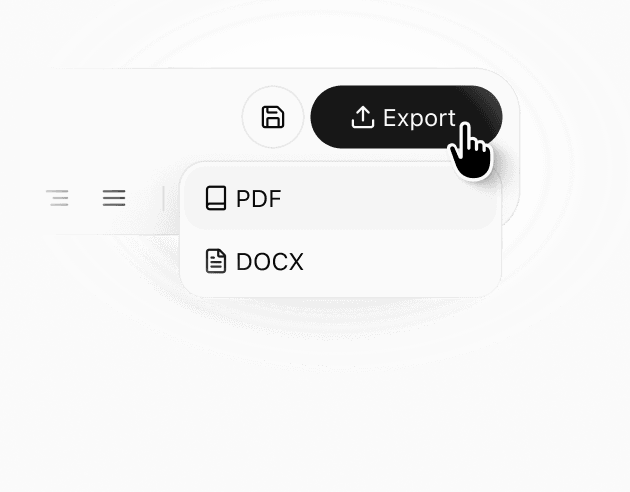
Review & download
Check the generated document, make edits if needed, and download a ready-to-use agreement.
Details
Learn more about
Trademark Assignment Agreement Template – California
California Trademark Assignment Agreement Template FAQ
What is being transferred in a trademark assignment agreement?
A trademark assignment transfers ownership of the trademark rights from the assignor to the assignee. That typically includes the registration or application listed in the agreement and any related common law rights tied to use of the mark. Many assignments also state that associated goodwill is transferred with the mark, which helps clarify that the mark is moving with the business reputation connected to it. The agreement can also address related assets like domain names or social handles if the parties want those included. The key is to list the marks clearly and make the transfer language unambiguous.
Why does the agreement mention goodwill?
Goodwill is the reputation and customer recognition associated with a trademark. Many parties include goodwill language to confirm that the mark is not being separated from the business value built around it. Practically, it reduces ambiguity about whether the assignee can step into the assignor’s position as the owner and continue using and enforcing the mark. If the parties intend a limited transfer, the agreement can describe that in the assigned rights section. Clear goodwill wording can help avoid later arguments that only a registration number changed hands without the brand value behind it.
How should multiple trademarks be listed in one agreement?
When there are multiple marks, a schedule table is often the cleanest way to list them because it keeps identifiers consistent across jurisdictions and filings. The schedule can include the mark name, registration or application number, jurisdiction, and an optional goods/services reference if the parties use one. A table also makes it easier to add or remove marks during negotiation without rewriting the core assignment clause. If the transfer includes both registered and pending marks, listing them together with clear status placeholders helps prevent confusion. Consistency in naming is more important than the exact columns used.
What if the trademark is still an application and not registered yet?
Applications can be assigned as long as the agreement identifies the application clearly and states that the rights and interest in the application are being transferred. The schedule should include the application number, filing date, and jurisdiction so the assignee can match the asset in later filings. If there are office actions or pending deadlines, parties often handle that through a separate deliverables or cooperation section so responsibilities are clear. The core point is that the agreement should cover the application and any resulting registration, so the chain of ownership remains consistent over time.
Do both parties need to sign for recordation purposes?
Many recordation processes are simpler when the assignment is signed by both parties, because it evidences mutual agreement and helps reduce questions about authenticity. The agreement can also include a cooperation clause requiring the assignor to provide signatures on short-form documents if an office or registry requests a particular format. Even when the assignee will handle the filings, the assignor’s signature is usually part of the proof that rights were transferred. AI Lawyer can help format a signature block that fits how your entity signs contracts while keeping the assignment language consistent.
Can the assignor keep using the mark after the transfer?
Whether the assignor can keep using the mark depends on what the agreement says. A full assignment normally transfers ownership and does not grant ongoing use rights unless the parties add a separate license or transition provision. If temporary use is needed for packaging, websites, or inventory, the agreement can include a limited transition license section with dates and conditions. Without that language, continued use by the assignor can create confusion about ownership and can undermine the clean transfer the assignee expects. If ongoing use is desired, it should be stated clearly in writing.
What is a practical way to confirm the assignment is complete?
Completion is easier to confirm when the agreement includes a closing deliverables list and a place to record the recordation details or filing references. Parties often treat completion as having a fully executed agreement plus any supporting short-form filings that are needed for the trademark office or registry. If there are related assets like domains, the parties can also confirm those transfers by listing account handoff details as deliverables. A short closing confirmation section can help avoid loose ends. Keeping a copy of the signed agreement and any filing confirmations in one folder is also helpful.
Similar templates