AI Assisted
Export: PDF & DOCX
Get your custom agreement in minutes
4.8 Rating
Downloaded 2746 times
Get your complete
agreement in minutes
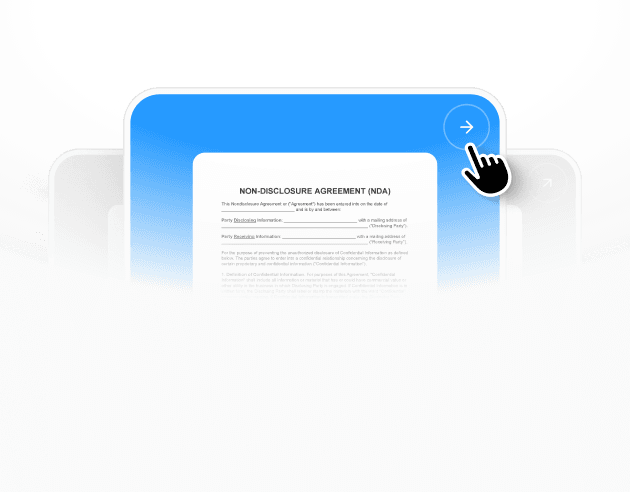
Select a template
Each template already follows legal structure and best practices.
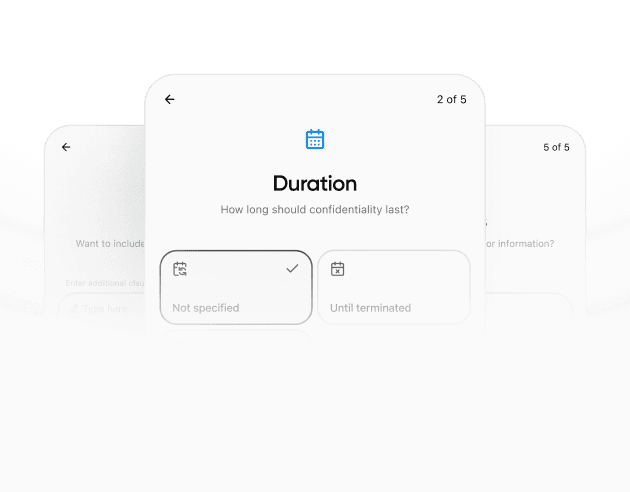
Provide details
The agreement is automatically filled and adapted to your inputs.
Review & download
Check the generated document, make edits if needed, and download a ready-to-use agreement.
Details
Learn more about
Storage Rental Agreement Template – Texas
Texas Storage Rental Agreement Template FAQ
Why does this Texas version include an authorized user list?
Storage access disputes often involve who was allowed to enter the facility or handle the unit. An authorized user list can help the parties track which employees, family members, or agents have permission to access the unit and what credential each person received. It also creates a clear place to record credential revocation when someone leaves a job or relationship. Keeping this information inside the agreement reduces confusion when gate codes are reset or when the facility needs to verify access permissions. The table format keeps the record short and easy to update.
Can a tenant store business inventory in a storage unit?
Business inventory can usually be stored when the agreement allows business property, but the tenant should still follow restrictions on hazardous, illegal, perishable, or flammable items and any rules about traffic and loading. Storage-only language typically means you can store inventory, but you should not operate a storefront or conduct ongoing sales activity from inside the unit. If inventory is high value, it is especially important to confirm insurance coverage and to maintain an inventory list for internal controls. This template allows business storage while keeping operational restrictions clear.
What should be included in a vehicle and loading addendum?
A loading addendum can record parking rules, time limits at loading bays, and responsibility for damage to gates, doors, or curbs. It can also identify a primary vehicle by plate and make it easier for the facility to manage traffic. For tenants, clear loading rules help avoid unexpected fees or conflicts with other renters. The addendum is optional and is meant to be practical rather than lengthy. If the facility has posted rules, the parties can reference them in the addendum to keep the agreement concise.
How do late fees work and how can tenants avoid them?
Late fees are typically triggered when rent is not received by the due date plus any stated grace period. Tenants can avoid late fees by confirming the payment method’s processing time, especially for ACH or mailed checks. If the facility uses a portal, tenants should save confirmations and verify that payments post to the correct unit or account. If there is a payment dispute, having a timestamped receipt can resolve it quickly. This version places payment terms up front so due dates and triggers are easy to find.
Does the facility provide insurance for stored items?
This template places responsibility on the tenant to insure stored property. Some facilities offer optional coverage or protection plans, but those terms typically exist in a separate document that states limits and exclusions. Tenants should confirm whether common risks — water, theft, fire, or climate-related damage — are covered and whether certain property categories are excluded. For business inventory, checking deductible levels and valuation methods can be important. If coverage is purchased through the facility, keeping a copy of the coverage confirmation with the agreement helps avoid confusion later.
How can AI Lawyer help with multi-location storage operators?
AI Lawyer can generate consistent, location-ready storage rental agreements while letting each facility capture its unit identifiers, fee amounts, and access procedures in placeholders. That can reduce drafting variation between sites and help operators keep a standardized onboarding packet. The authorized user table and loading addendum can be used only where they fit a specific facility’s operations. Operators remain responsible for applying their policies consistently and ensuring the filled-in information matches what the tenant is offered at signup. The tool primarily supports structure and clarity.
Similar templates