AI Assisted
Export: PDF & DOCX
Get your custom agreement in minutes
4.8 Rating
Downloaded 4421 times
Get your complete
agreement in minutes
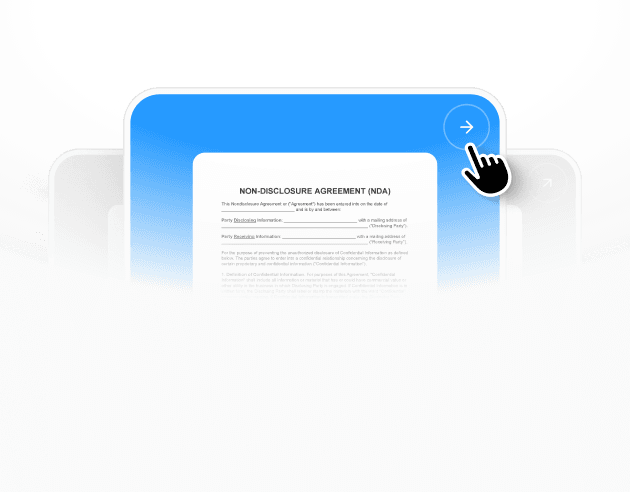
Select a template
Each template already follows legal structure and best practices.
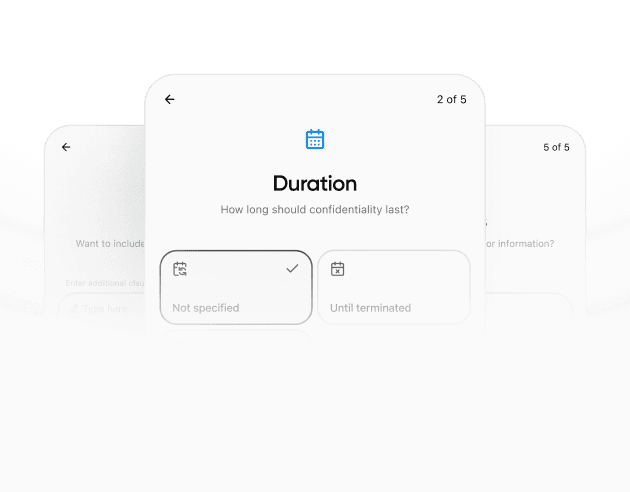
Provide details
The agreement is automatically filled and adapted to your inputs.
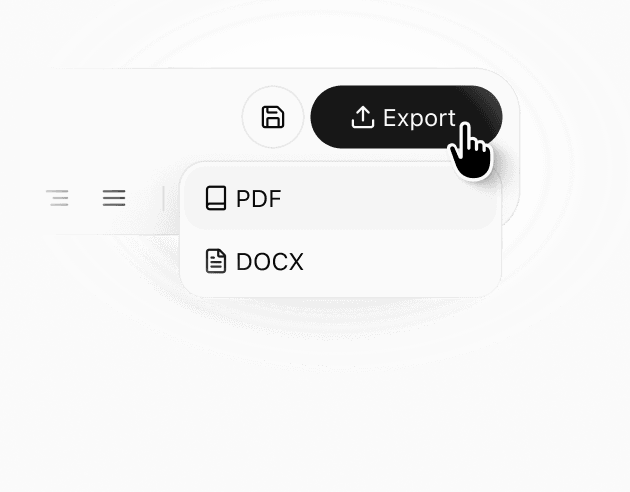
Review & download
Check the generated document, make edits if needed, and download a ready-to-use agreement.
Details
Learn more about
Storage Rental Agreement Template – Illinois
Illinois Storage Rental Agreement Template FAQ
Why use a category-and-risk table for prohibited items?
A table can make prohibited storage rules easier to understand by grouping items into categories and identifying subtypes that matter operationally. Instead of a long list that is easy to skim past, the table prompts a tenant to acknowledge the main risk groups and gives the facility a consistent place to capture any facility-specific examples. The risk level field is a practical classification tool for internal use and does not change the tenant’s obligations. If a tenant has unusual items, the table format makes it easier to add a specific subtype without rewriting the rest of the agreement.
How should a tenant handle items that might be “borderline” prohibited?
If an item might fall into a prohibited category, the safest approach is to ask the facility in writing before placing it in the unit. Borderline items can include certain chemicals, batteries, fuels, or goods that spoil over time. Written clarification can prevent later disputes if the facility discovers the item during an emergency entry or maintenance issue. Tenants should also consider whether the item creates odor, moisture, or pest risks even if it is not strictly hazardous. This template leaves room to record examples so the facility can clarify its expectations.
What is the purpose of recording photo or inventory identifiers in the agreement?
Recording identifiers creates a simple bridge between the agreement and the supporting records stored elsewhere, such as an online folder, portal, or internal file. It allows both sides to reference move-in and move-out condition documentation without attaching large files to the agreement itself. This can be useful when a deposit deduction is disputed or when there is disagreement about whether property was removed. The identifiers can be as simple as a folder name or a photo set number. The agreement stays short while the evidence remains organized and traceable.
Does a security deposit cover unpaid rent automatically?
Deposits are commonly applied to unpaid rent, damages, or cleaning, but the exact application depends on the agreement’s deposit clause. Tenants should not assume the deposit replaces the final month’s rent unless the agreement expressly allows that. If a tenant plans to move out, it is usually cleaner to pay rent through the move-out date and treat the deposit as a separate balance that may be refunded after inspection. Clear documentation of the unit’s condition helps reduce disagreements about deposit deductions, especially when cleaning or repair items are at issue.
How can tenants reduce the chance of pest or moisture problems?
Using sealed plastic bins, avoiding food storage, elevating items off the floor, and using moisture absorbers can reduce common storage issues. If the unit is not climate-controlled, tenants should be cautious with paper goods, textiles, and electronics. Labeling bins and keeping an inventory can also help minimize prolonged access time with doors open, which may reduce exposure to humidity and pests. The agreement’s restrictions and condition provisions set baseline expectations, but tenant practices usually determine the real outcome for stored items over time.
What’s the difference between denial of access and termination for default?
Denial of access is a remedy that restricts entry when there is a default, while termination ends the agreement entirely. The agreement lists both as potential remedies, along with other steps permitted in the applicable jurisdiction. In practice, the escalation often depends on how quickly the tenant cures the default and how notices are delivered. Tenants should communicate promptly if there is a billing dispute and keep proof of payment. Clear due dates and notice channels are often the fastest way to resolve issues before stronger remedies occur.
Similar templates