AI Assisted
Export: PDF & DOCX
Get your custom agreement in minutes
4.8 Rating
Downloaded 3561 times
Get your complete
agreement in minutes
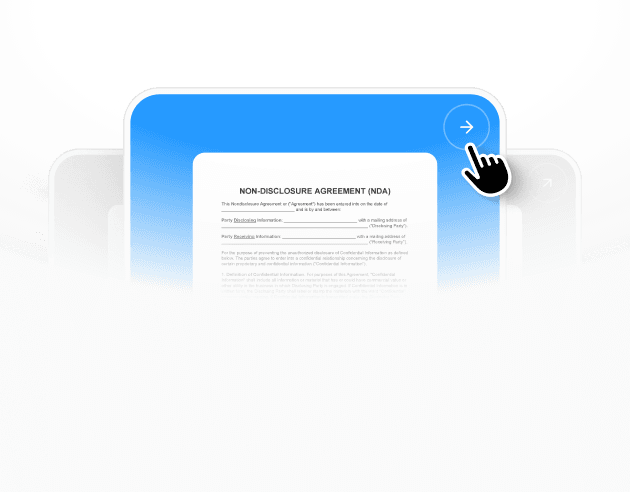
Select a template
Each template already follows legal structure and best practices.
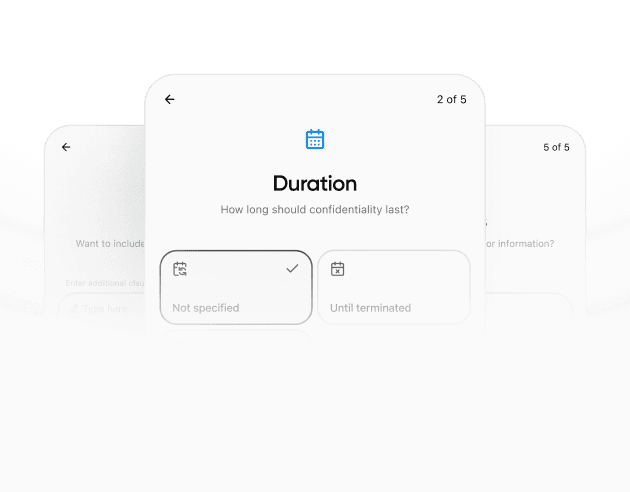
Provide details
The agreement is automatically filled and adapted to your inputs.
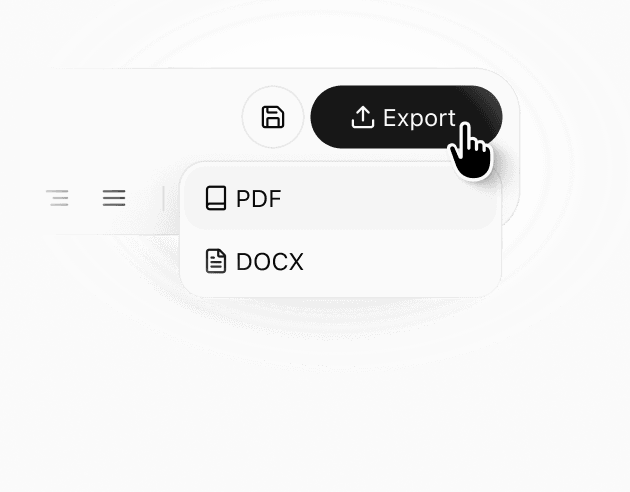
Review & download
Check the generated document, make edits if needed, and download a ready-to-use agreement.
Details
Learn more about
Storage Rental Agreement Template – Florida
Florida Storage Rental Agreement Template FAQ
Why keep an inventory table if the facility is not responsible for the items?
An inventory record can still be useful even when the tenant bears the risk of loss, because it helps the tenant track what is stored, estimate insurance needs, and confirm that items were removed at move-out. It can also help with internal business controls when inventory is stored off-site. The table is optional and can remain high-level, using categories and box IDs rather than detailed descriptions if privacy is a concern. When paired with photos, it can make insurance claims or personal recordkeeping easier without changing the agreement’s allocation of responsibility.
What is the purpose of an environment and conditions section?
Storage outcomes often depend on temperature, moisture, and pests. An environment section can clarify whether the unit is climate-controlled and what packaging or moisture-control expectations apply for sensitive items. This is particularly helpful for electronics, documents, textiles, and other items that can be damaged by humidity. The section also supports clear expectations about preventing pests by restricting food or requiring sealed containers. It does not guarantee conditions; instead, it records the operating assumptions the tenant relied on when choosing what to store and how to store it.
Can the facility close temporarily due to weather or emergencies?
Many facilities reserve the right to close temporarily for safety, maintenance, or emergency events. The agreement can define how closures are communicated and whether access is restricted to certain areas. Tenants should plan for these possibilities, especially if they need frequent access for business inventory or seasonal items. If you anticipate needing urgent access, discuss backup procedures with the facility and record any special arrangements in writing. This Florida version includes an emergency closure field so the parties can capture the types of events that may interrupt access.
What kinds of items are risky to store in a non–climate-controlled unit?
Items with adhesives, paper, fabric, wood finishes, or sensitive electronics can be affected by heat and humidity. Photographs and documents may also degrade over time in damp conditions. If you are storing such items, consider climate control, sealed containers, and moisture absorbers, and check whether your insurance covers environmental damage. The best approach is to align the unit type with the items you plan to store. An inventory table can help you identify which categories of items may need extra protection or a different unit type.
How should the tenant handle access credentials and lost keys?
Tenants should keep access credentials secure and limit sharing, especially if the unit contains valuable property. If a key, code, or access card is lost, notify the facility promptly so credentials can be changed or replaced. Facilities often charge replacement or lock-cut fees, so recording these terms in the agreement can reduce surprises. If multiple people access the unit, keeping a written list of who has credentials can prevent confusion when personnel changes occur. This template focuses on recording the access method and hours clearly, with room to add specific rules.
What does “as permitted by law” mean in the default section?
Storage operators’ remedies for nonpayment and abandoned property can vary depending on the jurisdiction and the facility’s procedures. Using “as permitted by law” signals that the facility will follow applicable rules for notices and disposition, rather than creating a rigid process in the template. Tenants should pay attention to due dates, grace periods, and notice methods because those details often determine how quickly problems escalate. If you have questions about the facility’s process, ask for the operator’s written policy and keep it with the agreement for reference.
Similar templates