AI Assisted
Export: PDF & DOCX
Get your custom agreement in minutes
4.8 Rating
Downloaded 3294 times
Get your complete
agreement in minutes
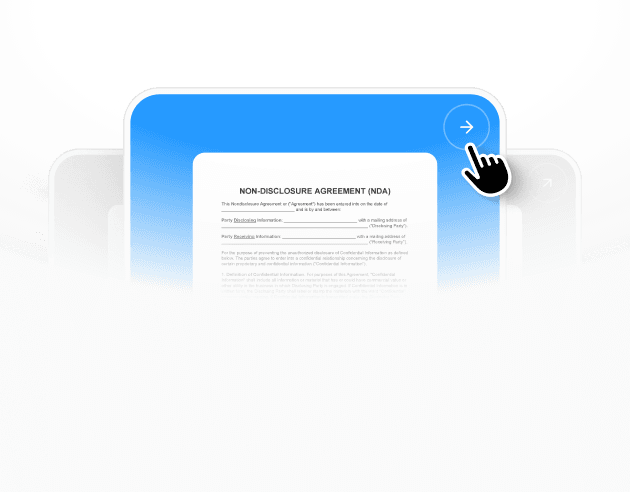
Select a template
Each template already follows legal structure and best practices.
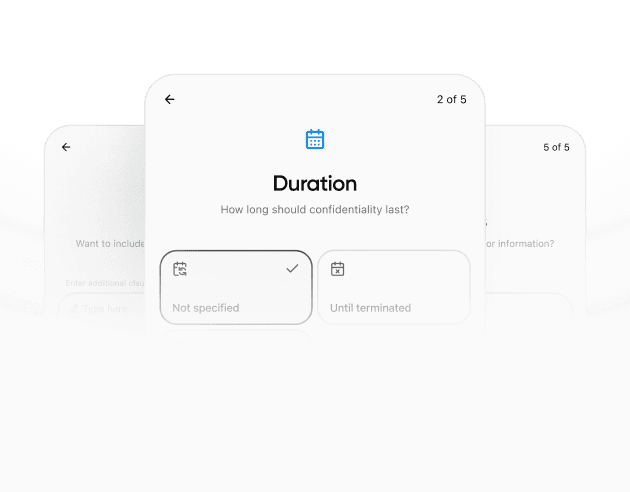
Provide details
The agreement is automatically filled and adapted to your inputs.
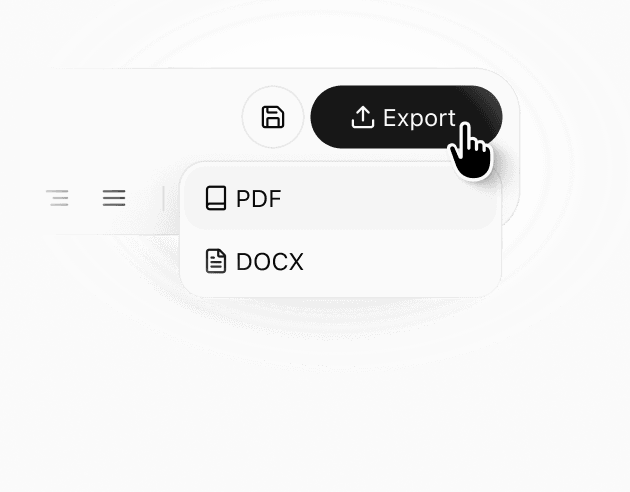
Review & download
Check the generated document, make edits if needed, and download a ready-to-use agreement.
Details
Learn more about
Storage Rental Agreement Template – California
California Storage Rental Agreement Template FAQ
Can the facility change access hours or gate procedures during the rental?
Many storage operators reserve the ability to adjust access hours or access procedures for security, maintenance, or operational reasons. If changes occur, the best practice is to document the updated hours or procedures in writing and keep a record of when the notice was provided. Tenants should confirm how they will be notified and whether temporary closures apply to specific gates or the entire facility. This California version includes dedicated access fields and an acknowledgment line so both sides can track what access method and credentials were issued at the time of move-in.
What should I do before moving items into the unit?
Before move-in, verify the unit number, confirm the lock and door operate properly, and document the condition of the interior surfaces. Photos or short video clips can be useful for later comparisons, especially if the facility is not climate-controlled or if you are storing valuable items. The move-in checklist table is designed to capture the unit’s starting condition in a simple, reviewable way. If you notice damage or water intrusion, notify the facility promptly and keep a dated record of the communication.
Is the tenant required to insure stored property?
This template places responsibility for property insurance on the tenant, which is common because the facility generally does not know the value or type of items stored. Even when a facility offers insurance or a protection plan, tenants should confirm coverage limits, excluded items, and whether the coverage is replacement cost or actual cash value. If you already have homeowner’s, renter’s, or business insurance, check whether off-premises storage is covered and whether there are limits for certain categories of property. The insurance clause is intentionally simple so parties can attach separate coverage details if desired.
What items are typically prohibited in a storage unit?
Most storage agreements restrict hazardous, illegal, perishable, and flammable items because they can create safety and property risks for the facility and other renters. Some agreements also restrict items that attract pests, produce strong odors, or require special containment. If you are unsure about an item, it is safer to confirm in writing before storing it. This template uses a concise prohibited-items placeholder so the facility can list its specific restrictions without inserting lengthy, repetitive lists that vary by operator.
How are damages and cleaning charges handled at move-out?
Move-out handling usually depends on whether the unit is returned empty, broom-clean, and undamaged beyond ordinary wear. The security deposit section allows the parties to define what deductions may apply, such as unpaid rent, repair costs, or cleaning. The condition checklist can help compare the unit’s state at move-in and move-out, especially when photos are referenced by link or identifier. To reduce disputes, tenants should complete a final walkthrough, document the cleared unit, and confirm where any deposit refund should be sent.
Does this agreement allow the landlord to deny access for nonpayment?
The default section provides that nonpayment or a material breach can trigger remedies, which may include denying access and terminating the agreement, subject to what is permitted in the applicable jurisdiction. The key operational point is that the agreement should be clear on when rent is due, how long any grace period lasts, and what notices are used before stronger steps are taken. Tenants should keep proof of payment and confirm the facility’s billing and posting timelines so late fees are not triggered by processing delays.
Similar templates