AI Assisted
Export: PDF & DOCX
Get your custom agreement in minutes
4.8 Rating
Downloaded 3920 times
Get your complete
agreement in minutes
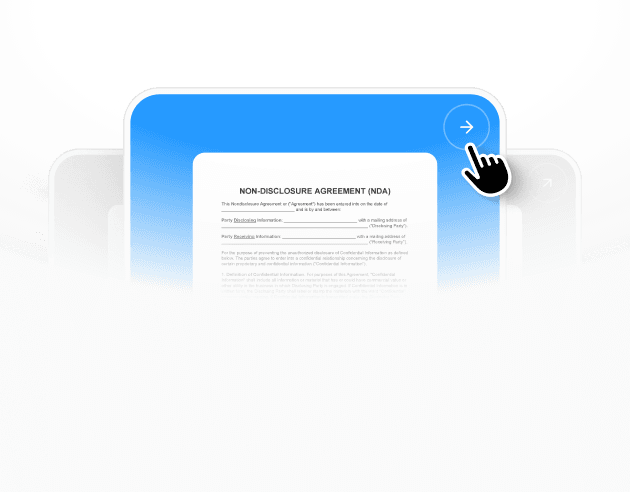
Select a template
Each template already follows legal structure and best practices.
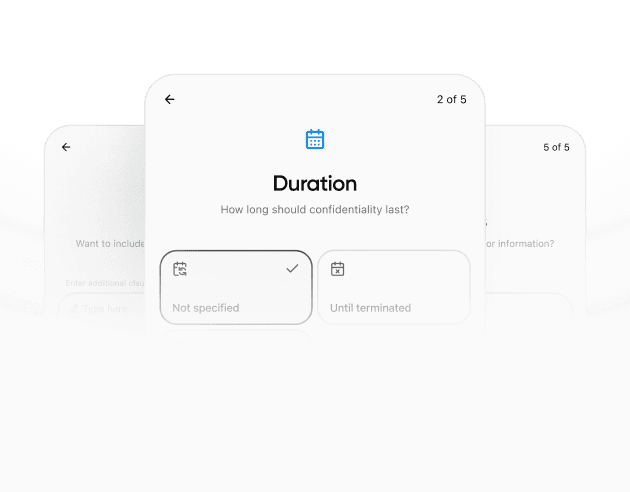
Provide details
The agreement is automatically filled and adapted to your inputs.
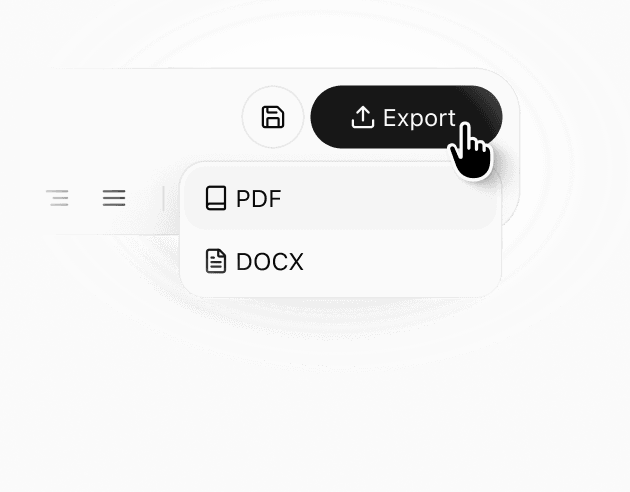
Review & download
Check the generated document, make edits if needed, and download a ready-to-use agreement.
Details
Learn more about
Lease Renewal Notice Template – Florida
Florida Lease Renewal Notice Template FAQ
What should be the first section a tenant sees in a renewal notice?
Tenants usually want to see the renewal term and the new rent terms immediately, because those are the decision drivers. A notice that starts with the dates, rent amount, and due date tends to get faster responses than one that begins with background language. Once the tenant understands the offer, they are more likely to read the rest, including deposit handling and amended terms. A clear acceptance deadline also helps keep the decision process organized. The best practice is to place the high-impact terms at the top and keep the rest of the notice structured so the tenant can quickly locate details like delivery method, proposed changes, and holdover consequences.
Why does the Florida version include a rent change breakdown table?
A rent change breakdown table makes it easy to see the current rent, the proposed rent, and the effective date for the change in one place. This reduces confusion when tenants compare the renewal offer to the current lease and helps prevent arguments that a rent increase was not clearly disclosed. The table format is also helpful for property managers because it standardizes how increases are documented across multiple renewals. If there are additional recurring charges, the table can list them separately so totals are transparent. The goal is to improve clarity and speed up the tenant’s decision, not to add complexity.
What should a landlord do if the tenant asks for different renewal terms?
If the tenant proposes different terms, such as a shorter term or a different rent amount, it is best to respond in writing and document the final agreed changes in a signed renewal document. Informal phone agreements can lead to disputes later, especially if staff changes or memories differ. A renewal notice can include a checkbox and a line for proposed changes, but once changes are negotiated, a final signed version should reflect them. The key is clarity: the final renewal term and rent should be stated with exact dates and amounts. Written documentation also helps with billing setup and avoids mistakes in rent collection after the renewal starts.
How should move-out obligations be addressed if the tenant does not renew?
If the tenant does not renew, the notice should remind them of the lease end date, the requirement to vacate or return the asset, and the need to return keys or access items. Including a move-out coordination schedule can help align inspection timing, key return, and utility transfer dates. The notice should avoid changing move-out obligations unless a separate agreement is signed. The purpose is to create a clear expectation so there is less confusion as the end date approaches. Clear move-out language also reduces disputes about whether the tenant was informed of the deadline and the steps required to hand back possession.
What should be included about holdover status?
Holdover language should explain what happens if the tenant remains in possession after the lease ends without a signed renewal. Many leases convert to a month-to-month arrangement and may provide for a higher rate or additional charges during holdover. The renewal notice should describe holdover in a way that is consistent with the lease, focusing on the concept rather than adding new terms. Clear holdover language can encourage timely response because the tenant understands that staying without renewal may have cost consequences. It also provides a written reminder that the tenant must either sign the renewal or plan to vacate by the end date.
Can a renewal notice be delivered by email or tenant portal?
Whether email or portal delivery is acceptable depends on what the lease allows, but many landlords use digital delivery for speed and recordkeeping. The renewal notice should state the delivery method and the address or portal channel used, and it should identify where the tenant must send acceptance. Keeping proof of delivery, such as an email record or portal confirmation, helps if the tenant later claims they did not receive the notice. The goal is to avoid disputes about service and to keep the renewal process efficient. Clear delivery and response instructions also reduce the chances of a tenant sending acceptance to the wrong email or address.
How can landlords keep renewal records organized across many units?
Organization improves when each renewal notice has a consistent reference approach, such as a unit identifier, tenant name, and a renewal cycle date. Keeping a simple tracking sheet or table within the notice itself can help record when the notice was sent, when the response is due, and what decision was made. This reduces the risk of missed renewals or duplicated notices. Saving signed acceptances in a standard folder structure also helps. The goal is to make it easy to prove what was offered and whether it was accepted, especially if disputes later arise about renewal timing or rent terms.
Similar templates