AI Assisted
Export: PDF & DOCX
Get your custom agreement in minutes
4.8 Rating
Downloaded 3124 times
Get your complete
agreement in minutes
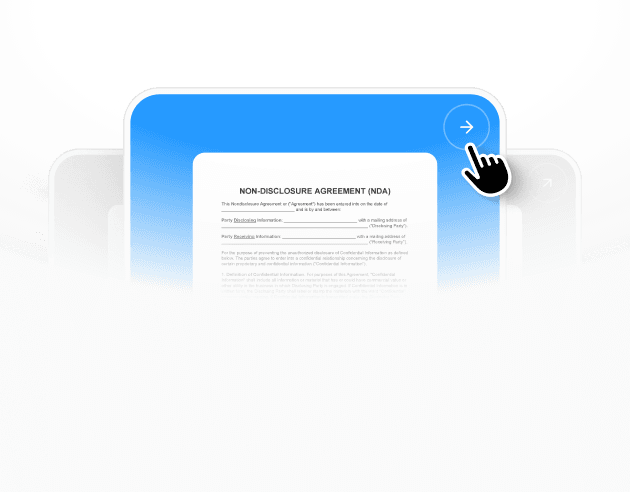
Select a template
Each template already follows legal structure and best practices.
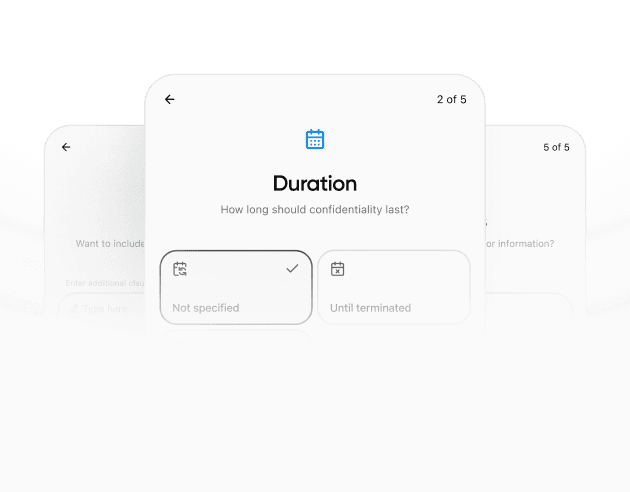
Provide details
The agreement is automatically filled and adapted to your inputs.
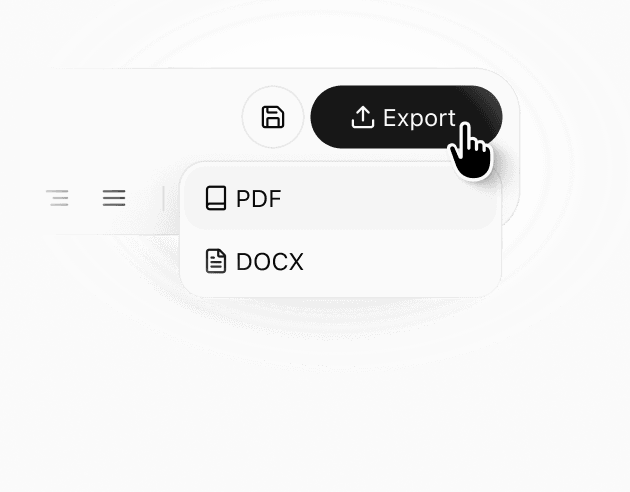
Review & download
Check the generated document, make edits if needed, and download a ready-to-use agreement.
Details
Learn more about
Commercial Lease Agreement Template – California
California Commercial Lease Agreement Template FAQ
What should I include in the permitted use clause for a California commercial lease?
Describe the business activity clearly enough to prevent surprises while leaving room for normal growth. State the core use, any secondary uses you anticipate, and operational details that matter to the property, such as hours, deliveries, customer traffic, or on-site assembly. If the property has written building rules, the lease can reference them so expectations stay consistent. If the tenant may expand services, define an outer boundary of acceptable use so future changes do not require repeated written approvals.
How do I document the condition of the premises at move-in to reduce disputes later?
Condition disputes usually come down to proof. Reference a set of photos, video, and a simple inspection record, then identify those files by name or link in the lease. Capture high-wear areas like floors, paint, restrooms, doors, storefront, and any included equipment, and note existing damage or exclusions. If a deposit deduction or repair claim is later disputed, both parties can point to the same evidence set rather than arguing about an informal walkthrough.
What is the day-to-day difference between gross and net rent structures?
Gross structures typically bundle more building costs into the base rent, while net structures separate base rent from additional items like taxes, insurance, and common area maintenance. The practical difference is budgeting and invoice variability: net leases can involve estimates and periodic reconciliations, while gross leases are usually more predictable month to month. Either way, utilities are often handled separately, so the lease should say who pays, how billing is handled, and what happens if service is interrupted.
How can I cover tenant improvements without turning the lease into a construction contract?
Keep the lease focused on approvals, responsibility, and timing. Address whether improvements are allowed, what plans require written consent, who obtains permits, who carries insurance during the work, and what happens to fixtures at the end of the term. If the landlord contributes funds, state the amount, what costs qualify, and what documentation is required for reimbursement. A short list of key dates and a clear approval process often prevents delays without heavy construction drafting.
How can the lease restrict subletting but still give the tenant flexibility if the business changes?
A consent-based transfer clause can balance control and flexibility. Require advance written consent, basic information about the proposed transferee, and confirmation that the new occupant will comply with permitted use and insurance requirements. State whether the original tenant remains liable after a permitted transfer, and how any rent premium is handled if the sublease rate exceeds the tenant's rent. This gives the tenant a workable process while protecting the landlord from surprise occupants.
What should a holding over clause accomplish beyond saying the tenancy is month-to-month?
A strong holding over clause sets the rent rate during the holdover period and confirms that key obligations continue, including use limits, insurance, and care of the premises. It should clarify that holdover is not a renewal and does not create a longer term without a signed amendment. These details matter because disputes often arise when a tenant needs a short extension and the parties later disagree about pricing and move-out timing.
Is there a faster way to draft a complete commercial lease without overlooking key terms?
Speed comes from structuring the deal points first: premises description, term dates, rent amount and method, expense allocation, maintenance lines, insurance, and default procedures. AI Lawyer can generate a draft quickly once those decisions are made, and then you can tailor the language to match how the building actually operates. Before signing, do a consistency pass so the rent structure, additional rent clause, and remedies provisions align with each other.
Similar templates