AI Assisted
Export: PDF & DOCX
Get your custom agreement in minutes
4.8 Rating
Downloaded 2910 times
Get your complete
agreement in minutes
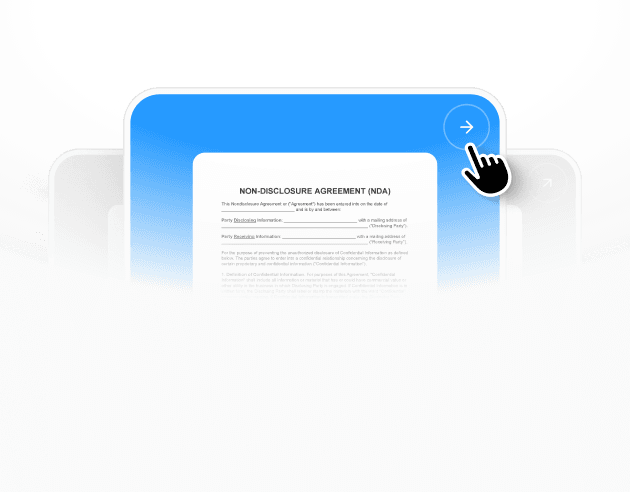
Select a template
Each template already follows legal structure and best practices.
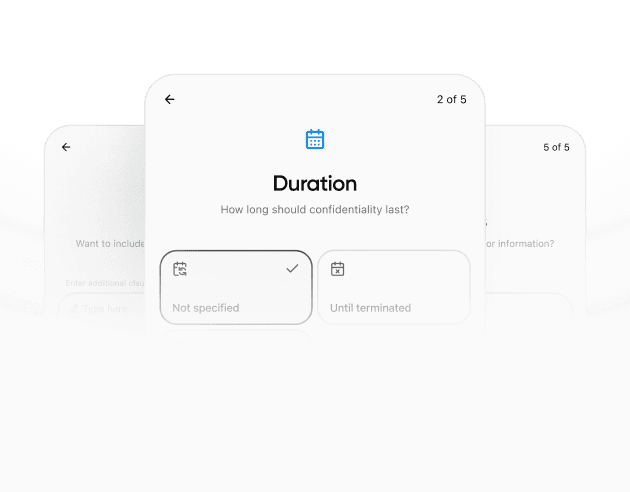
Provide details
The agreement is automatically filled and adapted to your inputs.
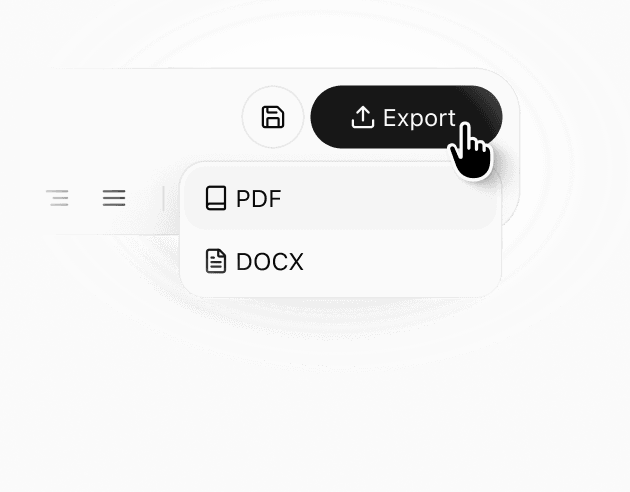
Review & download
Check the generated document, make edits if needed, and download a ready-to-use agreement.
Details
Learn more about
Car Rental Agreement Template: Rates, Insurance Washington Law
Washington Car Rental Agreement Template FAQ
What is a Car Rental Agreement?
A Car Rental Agreement (also called a car hire agreement) is a written contract between the vehicle owner (or rental company) and the renter that sets the rules for using a car in exchange for payment. It usually covers the rental period, pricing, deposit, mileage/fuel rules, and whether extra drivers are allowed. It also explains responsibility for damage, accidents, tickets, and tolls, so both sides know what happens if there’s a problem during the rental. A typical car rental agreement also describes how the vehicle’s condition is recorded at pickup and return.
When should you use a Car Rental Agreement?
Use a Car Rental Agreement anytime a vehicle is provided for use in exchange for payment (or other compensation) — through a company, peer-to-peer platform, or a private deal. It’s especially useful when a deposit is collected, the rental lasts more than a day, multiple drivers may use the car, or you need clear car rental terms and conditions for mileage, fuel, and late returns. Written terms set expectations upfront and make disagreements easier to resolve if the car comes back late or in a different condition. It can also clarify required documents and what to do for breakdowns or roadside issues.
What should be included in a Car Rental Agreement?
A Car Rental Agreement should include:
Parties: names, contact details, driver eligibility (ID/license where required)
Vehicle: make/model, VIN/plate, odometer, fuel/charge level
Rental term: pickup/return date, time, location
Costs: rate, taxes, deposit (security vs prepaid), late/cleaning/smoking fees
Mileage & fuel/charge: limits, refuel/recharge rules and fees
Tolls & tickets: how they’re handled + any admin fees
Insurance & liability: coverage, deductible/excess, key exclusions, who pays what
Condition report: inspection checklist + photos at pickup/return
Incidents: steps for accidents, damage, breakdowns, reporting requirements
Use rules: authorized drivers, prohibited use, geographic restrictions
Signatures: date and signed acceptance
Can you cancel or change a Car Rental Agreement after it’s signed?
It depends on the agreement and timing. Before pickup, changes to dates, location, or driver details are usually possible, but availability and price may change. Cancellations follow the stated policy: some rates allow free cancellation within a window; others charge a fee or are non-refundable. After pickup, extensions or early returns typically require approval and updated charges, and refunds aren’t guaranteed. Confirm any change in writing and keep the latest copy, including deposit and refund terms.
What should I do if I notice damage only after I’ve already left the lot?
Stop as soon as it’s safe and document everything right away: take photos/video of the damage from multiple angles, plus the odometer and fuel gauge, and keep the original files so the timestamps remain intact. Then contact the rental company/platform immediately and report that you noticed the damage after leaving and believe it may have been pre-existing. Send the images via the platform/app or email/message so it’s time-stamped and shared with the other party. If you’re nearby, ask whether they want you to return for an inspection note. Don’t wait until drop-off — late reports are harder to support.
What should I do if my rental car is stolen (or I can’t locate it)?
If you think it’s stolen, focus on safety and documentation. If it’s an emergency or you feel unsafe, call 911; otherwise file a police report as soon as possible (often via a non-emergency line or online). Notify the rental company/platform immediately and ask what they need; provide the police report number when available. If you simply can’t find the car, confirm it wasn’t towed (check signage and contact local towing/parking enforcement), then share the last known location and time. Keep all communication in writing via the app/email. Responsibilities and coverage depend on the agreement — definitions and policies vary — so follow their instructions and save every receipt and message.
Similar templates