AI Assisted
Export: PDF & DOCX
Get your custom agreement in minutes
4.8 Rating
Downloaded 4021 times
Get your complete
agreement in minutes
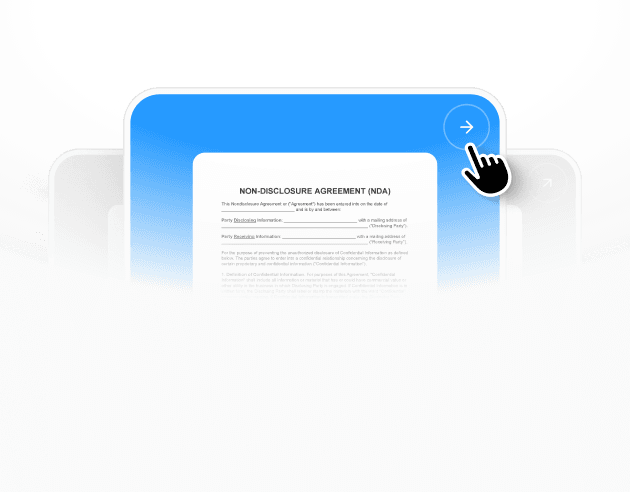
Select a template
Each template already follows legal structure and best practices.
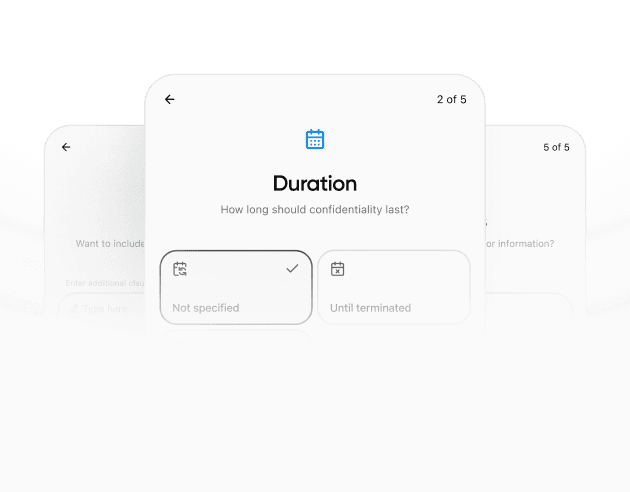
Provide details
The agreement is automatically filled and adapted to your inputs.
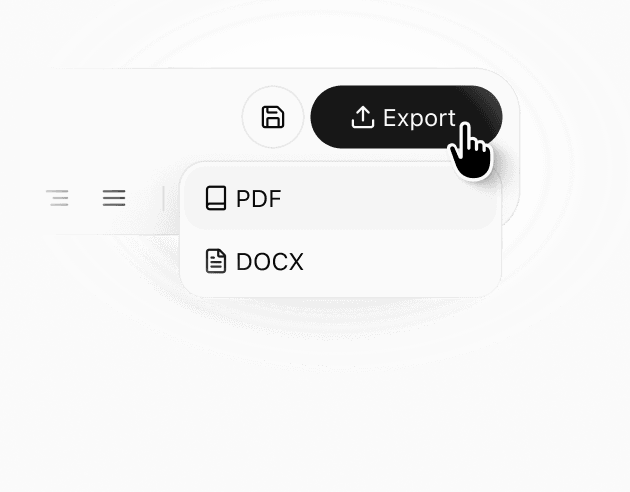
Review & download
Check the generated document, make edits if needed, and download a ready-to-use agreement.
Details
Learn more about
Car Rental Agreement Template: Rates, Insurance New York Law
New York Car Rental Agreement Template FAQ
What is a Car Rental Agreement?
A Car Rental Agreement (also called a car hire agreement) is a written contract between the vehicle owner (or rental company) and the renter that sets the rules for using a car in exchange for payment. It usually covers the rental period, pricing, deposit, mileage/fuel rules, and whether extra drivers are allowed. It also explains responsibility for damage, accidents, tickets, and tolls, so both sides know what happens if there’s a problem during the rental. A typical car rental agreement also describes how the vehicle’s condition is recorded at pickup and return.
When should you use a Car Rental Agreement?
Use a Car Rental Agreement anytime a vehicle is provided for use in exchange for payment (or other compensation) — through a company, peer-to-peer platform, or a private deal. It’s especially useful when a deposit is collected, the rental lasts more than a day, multiple drivers may use the car, or you need clear car rental terms and conditions for mileage, fuel, and late returns. Written terms set expectations upfront and make disagreements easier to resolve if the car comes back late or in a different condition. It can also clarify required documents and what to do for breakdowns or roadside issues.
What should be included in a Car Rental Agreement?
A Car Rental Agreement should include:
Parties: names, contact details, driver eligibility (ID/license where required)
Vehicle: make/model, VIN/plate, odometer, fuel/charge level
Rental term: pickup/return date, time, location
Costs: rate, taxes, deposit (security vs prepaid), late/cleaning/smoking fees
Mileage & fuel/charge: limits, refuel/recharge rules and fees
Tolls & tickets: how they’re handled + any admin fees
Insurance & liability: coverage, deductible/excess, key exclusions, who pays what
Condition report: inspection checklist + photos at pickup/return
Incidents: steps for accidents, damage, breakdowns, reporting requirements
Use rules: authorized drivers, prohibited use, geographic restrictions
Signatures: date and signed acceptance
Can you cancel or change a Car Rental Agreement after it’s signed?
It depends on the agreement and timing. Before pickup, changes to dates, location, or driver details are usually possible, but availability and price may change. Cancellations follow the stated policy: some rates allow free cancellation within a window; others charge a fee or are non-refundable. After pickup, extensions or early returns typically require approval and updated charges, and refunds aren’t guaranteed. Confirm any change in writing and keep the latest copy, including deposit and refund terms.
What insurance coverage do I actually need for a rental car (CDW/LDW, liability), and what might my credit card or personal policy already cover?
Rental coverage usually splits into liability (injuries/property you cause) and protection for the rental car itself. CDW/LDW (damage waiver) — short for Collision Damage Waiver / Loss Damage Waiver — typically covers damage to the rental vehicle (with exceptions), but it isn’t the same as liability coverage. Your personal auto policy may extend to rentals, and some credit cards may provide CDW/LDW protection — often secondary and usually not liability. Common gaps include excluded vehicles, admin fees, “loss of use,” and rentals outside your coverage area. Check your insurer and card benefits, then match them to the agreement’s requirements and keep confirmation in writing.
Which car rental agreement terms do renters most commonly overlook (fees, fuel, mileage, tolls, damage rules)?
Renters often skim the fees section and miss charges like late-return rules, airport/location surcharges, young-driver/additional-driver fees, plus cleaning or smoking fees. They also overlook fuel policy (prepay vs. return-full), mileage limits and overage rates, toll programs/admin fees, and what counts as damage (deductibles, “loss of use,” and claim paperwork). Another common surprise is the deposit/authorization hold amount and when it’s released. Also check roadside assistance and any out-of-area restrictions. Before signing, scan the full terms and screenshot totals and key policies.
Similar templates