AI Assisted
Export: PDF & DOCX
Get your custom agreement in minutes
4.8 Rating
Downloaded 2734 times
Get your complete
agreement in minutes
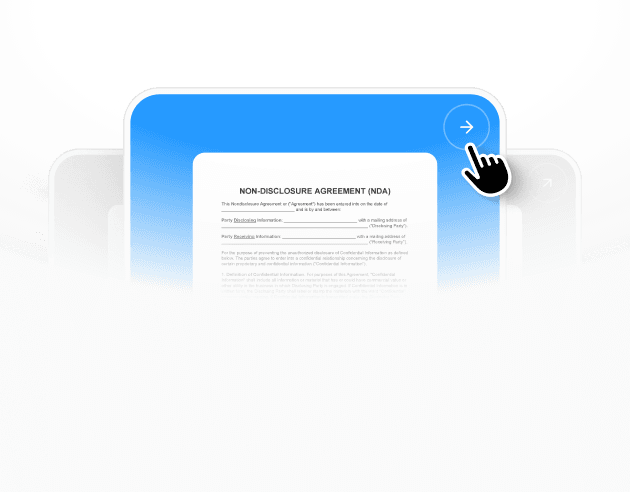
Select a template
Each template already follows legal structure and best practices.
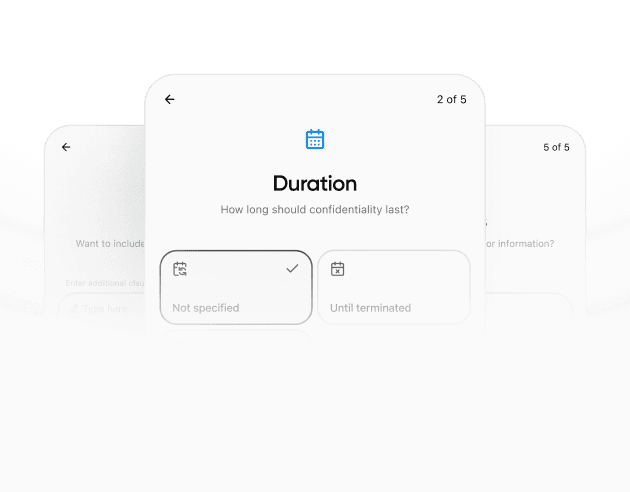
Provide details
The agreement is automatically filled and adapted to your inputs.
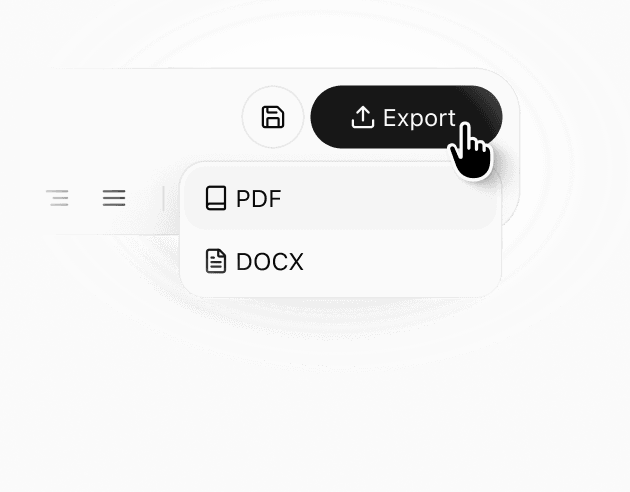
Review & download
Check the generated document, make edits if needed, and download a ready-to-use agreement.
Details
Learn more about
Board Resolution Template – New York
New York Board Resolution Template FAQ
Why does the New York version emphasize a “board determination” section?
A board determination section frames the resolution as a decision made after the matter was presented and considered by the board. This can be useful when documenting that the board acted intentionally rather than informally, especially for approvals that may later be reviewed by investors, auditors, or counterparties. The section is short, but it helps set context before the resolved clause. It also supports a clean record because the resolution reads like a formal action taken in the ordinary governance process.
What is the advantage of a vote record table?
A vote record table allows you to list how each director voted without embedding the details into a long sentence. This is helpful when the vote is not unanimous or when the company wants a precise record of participation. The table can also capture abstentions and absences clearly, which reduces ambiguity. Because it is modular, you can keep it brief for routine matters while still preserving a structured record for more sensitive approvals. It also makes it easier for someone reviewing the resolution later to understand the outcome quickly.
Can the resolution authorize more than one person?
Yes. Many board resolutions authorize more than one officer or allow delegation within stated limits. If multiple people need authority — such as a primary signatory and a backup — the resolved clause can list both names and titles using placeholders. You can also include conditions, such as signing limits or required countersignatures, in the supporting details section. The goal is to make authority clear to both internal teams and third parties who rely on the resolution as proof of authorization.
How detailed should the resolved clause be?
The resolved clause should be specific enough that a reader can understand what was approved and who is empowered to implement it, but it should avoid turning into a contract itself. Typically, it identifies the action (e.g., open an account, approve a contract, appoint an officer) and the authorized person. If the approval involves detailed terms, those can be captured in an exhibit or referenced document. Keeping the resolved clause concise helps the resolution remain a clean governance record rather than a complex agreement.
Who should certify the resolution for third-party use?
Certification is often signed by the corporate secretary or another authorized officer who maintains company records. The certifier confirms that the resolution is a true copy and remains in effect. This is commonly requested by banks and counterparties to verify authority. The template also includes an optional distribution approval block, which some organizations use to ensure resolutions sent externally are reviewed internally. Using clear titles and dates helps third parties rely on the certification without confusion.
How can AI Lawyer help with frequent board approvals?
AI Lawyer can help companies generate consistent board resolution formats with interchangeable modules like vote tables, authority mappings, and optional review sign-offs. That helps teams avoid formatting drift and ensures each resolution includes the basics — date, quorum, resolved action, voting outcome, and certification. Because the template uses placeholders, it can be adapted quickly to different actions while keeping the board record professional and easy to store. This reduces administrative burden while maintaining a clean governance trail.
Similar templates