AI Assisted
Export: PDF & DOCX
Get your custom agreement in minutes
4.8 Rating
Downloaded 3569 times
Get your complete
agreement in minutes
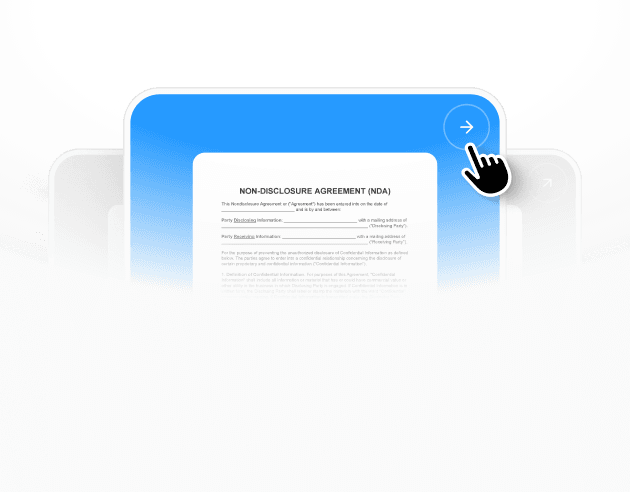
Select a template
Each template already follows legal structure and best practices.
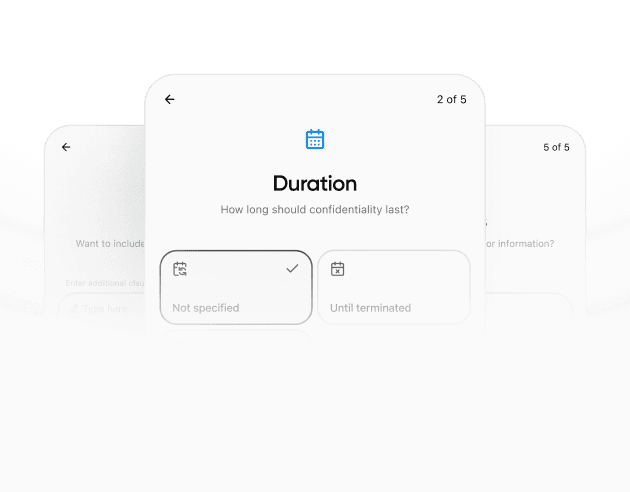
Provide details
The agreement is automatically filled and adapted to your inputs.
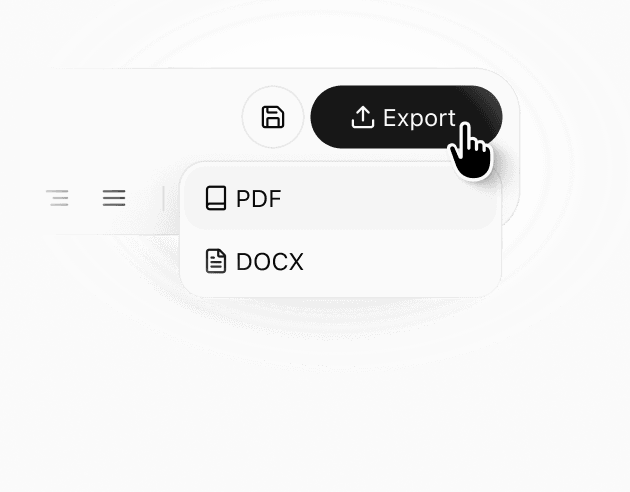
Review & download
Check the generated document, make edits if needed, and download a ready-to-use agreement.
Details
Learn more about
Separation / Divorce-Adjacent Agreements Template – Washington
Washington Separation / Divorce-Adjacent Agreements Hub Template FAQ
Who can use this hub besides married couples?
This hub is designed for people navigating separation-like transitions, including domestic partners, long-term cohabitants, and parents reorganizing household and parenting arrangements. The structure focuses on practical topics — housing, bills, property, debts, parenting schedules, and logistics — rather than assuming one legal pathway. You can select the relationship type and then choose only the agreement types that fit your situation. The hub can also be useful after a final settlement when you need to track updates to schedules or expense sharing and organize related letters. The aim is organized decision-making and consistent documentation over time.
How does the support team matrix help coordinate professionals?
When a separation involves multiple professionals — mediator, attorney, therapist, financial advisor, or retirement plan administrator — communication can become fragmented. A support team matrix gives you one place to record who each person is, their role, contact details, and what they are responsible for. This reduces missed messages and helps you route questions to the correct person. The matrix also helps you track appointment dates and requested documents, which makes preparation easier. Even if you are not working with many professionals, a matrix can still be useful for recording school contacts, childcare providers, or other key coordination points tied to parenting and logistics.
What documents become most important when children are involved?
When children are involved, the documents that most directly stabilize daily life are usually a parenting plan agreement and an interim support or expense sharing arrangement. Those documents address schedules, exchanges, decision-making, and how costs will be handled while longer-term settlement issues are negotiated. The hub helps by separating separation-period parenting planning from final settlement options, so you can prioritize immediate routines. It also prompts you to gather school, healthcare, and emergency contact details that make schedules workable. Clear interim terms can reduce conflict because they set expectations for pick-ups, communications, and reimbursements while the broader process continues.
How can we use the hub to prepare for mediation sessions?
Mediation sessions move faster when you arrive with organized facts and a clear agenda. The hub helps you list your stage, identify the documents you want mediation to produce, and collect the information needed to draft those terms. You can gather account lists, debt balances, parenting schedules, and housing timelines before sessions begin. You can also record tentative agreements and unresolved questions, which helps focus each session. The action plan modules can be used to set deadlines for exchanging documents and reviewing drafts. A structured hub reduces time spent rehashing basics and keeps mediation focused on decisions.
What records should be preserved while separating?
Records preservation is about maintaining a consistent reference set for shared facts, such as account statements, bill payments, parenting calendars, and key communications about schedules and expenses. The hub prompts you to list what records exist, where they are stored, and who has access, which reduces confusion later. This is not about collecting excessive information; it is about avoiding gaps that create disputes over what happened and when. Keeping clear records also helps when updating terms, because you can see the history of payments and schedules. Organized records can support faster drafting because you do not have to reassemble basic facts repeatedly.
How can the hub be used after a final settlement?
After a final settlement, the hub can serve as an index of what documents exist and what might need updating. For example, you can track parenting schedule adjustments, expense sharing updates, enforcement letters, and record update correspondence. By keeping current contacts and key dates, you reduce the risk of working from outdated terms. The hub also helps you plan updates when circumstances change, such as relocation, job changes, or school changes, by tying the trigger event to the document that controls the topic. Treating the hub as a living reference makes future updates more organized and easier to manage.
How does AI Lawyer support customization without replacing a lawyer?
AI Lawyer can help convert the hub’s selections into draft agreements and letters with consistent names, dates, and placeholders, and it can keep related documents aligned as details change. AI Lawyer does not replace a licensed attorney and does not decide what terms you should agree to, but it can reduce drafting friction by organizing your inputs into clear documents. That is especially useful when you need multiple documents that reference the same facts, such as a parenting plan and an expense split agreement. If you are working with an attorney, structured drafts can make review more efficient because the terms are organized and easier to edit.
Similar templates