AI Assisted
Export: PDF & DOCX
Get your custom agreement in minutes
4.8 Rating
Downloaded 3124 times
Get your complete
agreement in minutes
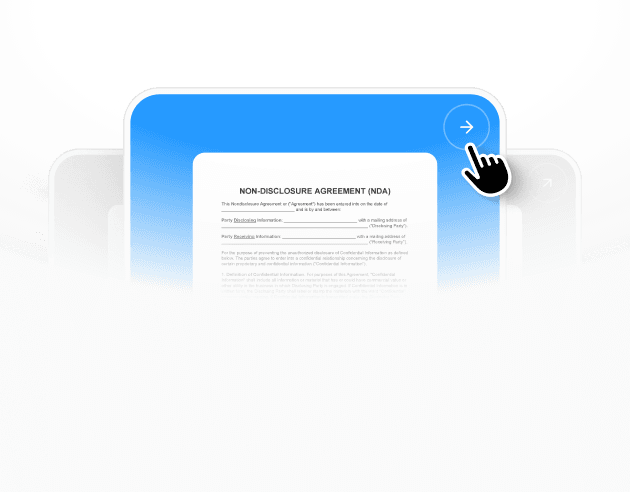
Select a template
Each template already follows legal structure and best practices.
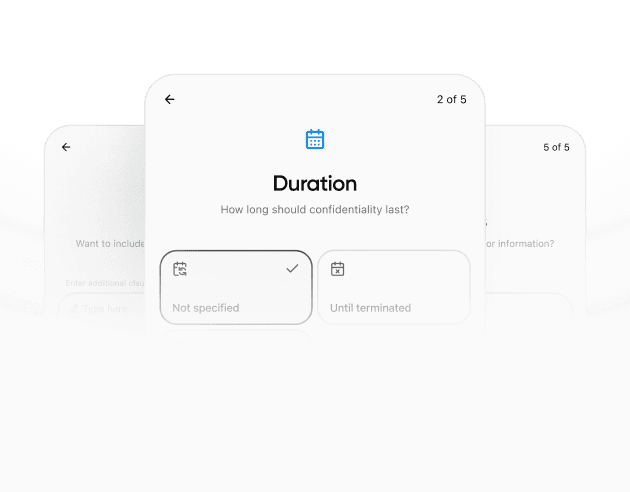
Provide details
The agreement is automatically filled and adapted to your inputs.
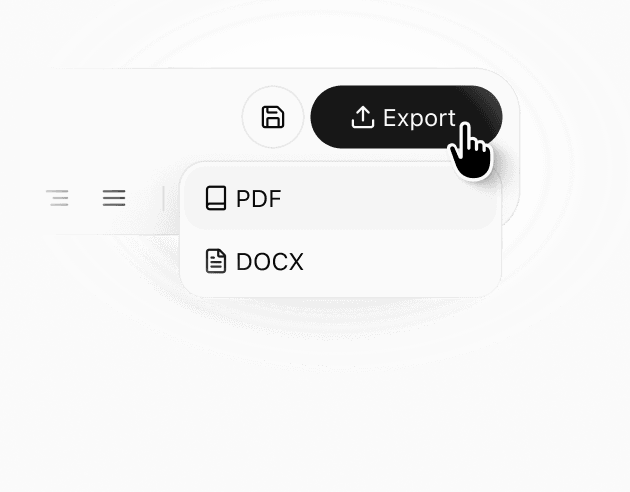
Review & download
Check the generated document, make edits if needed, and download a ready-to-use agreement.
Details
Learn more about
Separation Agreement Template – Washington
Washington Separation Agreement Template FAQ
What are the core topics a separation agreement should cover?
A separation agreement typically confirms the separation date, final compensation items, severance (if any), benefits end dates, return of company property, confidentiality, non-disparagement, and a release if additional consideration is provided. It also helps to include notice contacts so payroll and benefits questions are routed correctly and to include a signature deadline if severance is offered. A short transition section can reduce disruption by listing handoff tasks. AI Lawyer can help assemble these elements into a consistent format so HR and management can review and execute departures more efficiently.
Why include a transition timeline table in the agreement?
A transition timeline table creates a shared checklist of offboarding tasks, due dates, and owners. It can cover equipment return, access transfers, handoff notes, and account transitions. This is useful when several departments participate in offboarding, because the table shows who is responsible for each step and whether it is complete. The table supports the practical execution of the separation without expanding the legal language. It can reduce last-minute confusion and provides a written record that tasks were completed.
How should benefits termination be described to avoid confusion?
Benefits language should state a specific end date and identify the benefits contact. If continuation options exist through a plan or administrator, the agreement can reference that channel and include placeholders for delivery of any required materials. Employees often assume benefits track month-end or a severance period, so stating the date plainly reduces incorrect expectations. Clear routing to the benefits administrator also reduces delays because questions go to the correct contact.
What is a practical way to confirm return of company data?
The agreement can require return of documents and materials and include placeholders for confirming transfer or deletion of company files stored on personal devices. For roles that managed shared accounts, it can also require transfer of credentials or admin access to a named recipient. A short confirmation statement tied to a date and recipient helps create a clean record. This protects the employer’s security and also protects the employee by documenting what steps were completed as part of offboarding.
How should severance conditions and timing be stated?
If severance is offered, the agreement should list the total amount, payment method, and payment timing. If payment depends on conditions, such as returning property or completing a transition handoff, those conditions should be written as explicit placeholders. If installments are used, a schedule table makes the timing easier to administer. Clear conditions reduce disputes about whether a payment was properly withheld or whether it was due earlier than processed.
Can AI Lawyer help standardize a company separation package?
AI Lawyer can help you build a modular separation package with a consistent core and optional modules, such as a transition table, reference routing clause, or internal review sign-off fields. That approach allows controlled customization by role without rewriting the entire document each time. A standardized template also improves recordkeeping because the same key fields appear in every file, making later retrieval easier if questions arise about dates, payments, or obligations.
Similar templates