AI Assisted
Export: PDF & DOCX
Get your custom agreement in minutes
4.8 Rating
Downloaded 3478 times
Get your complete
agreement in minutes
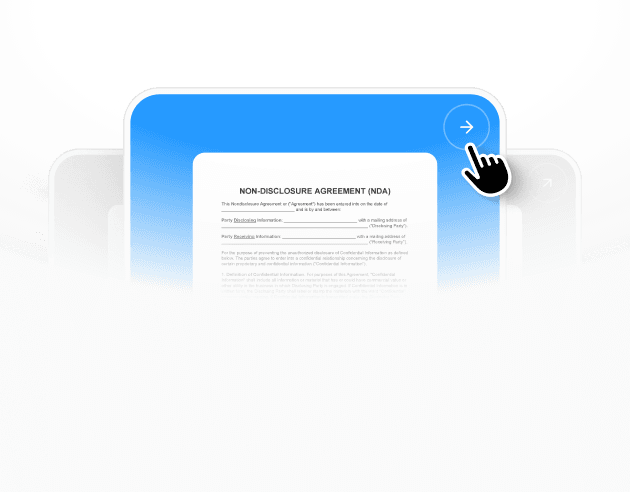
Select a template
Each template already follows legal structure and best practices.
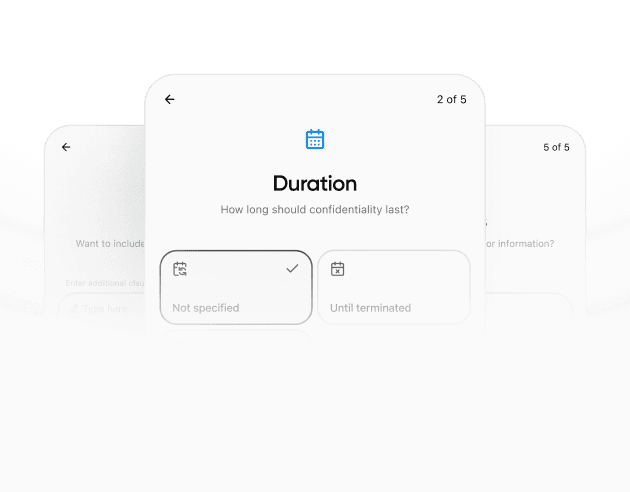
Provide details
The agreement is automatically filled and adapted to your inputs.
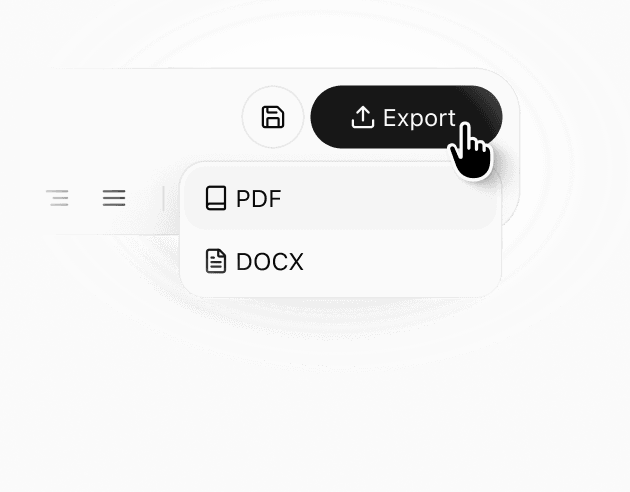
Review & download
Check the generated document, make edits if needed, and download a ready-to-use agreement.
Details
Learn more about
Separation Agreement Template – New York
New York Separation Agreement Template FAQ
How is a separation agreement different from a termination letter?
A termination letter is usually a notice that employment has ended and may include administrative instructions. A separation agreement is a contract that sets mutual terms, such as final compensation, severance (if any), benefits end dates, return of property, confidentiality, non-disparagement, and often a release of claims. Because it is a contract, it typically requires signatures from both parties and may include an acceptance deadline. The separation agreement’s value is that it consolidates multiple topics into one signed record rather than relying on separate policies or informal emails.
What should be stated about benefits so expectations are clear?
Benefits language should state a specific end date and identify who to contact for benefit questions. If continuation options exist through a plan administrator, the agreement can reference that channel and include placeholders for delivery of any enrollment materials or notices. Clear benefits terms matter because employees sometimes assume coverage continues through a month-end or through a severance period. By stating the date plainly and naming a contact, the agreement reduces confusion and makes follow-up easier to route.
Why include a signature deadline and an execution rule?
A signature deadline clarifies how long the offer in the agreement remains open, which helps both sides plan. An execution rule, such as “effective on the date of the last signature,” reduces confusion when one party signs first. These items are administrative, but they prevent common disputes about whether an agreement was accepted late or whether obligations started before countersignature. Clear deadlines and execution language also help internal teams sequence payroll and benefits tasks once the agreement is fully executed.
What is the point of a neutral reference or verification clause?
A neutral reference clause documents what the employer will provide in response to inquiries, such as confirming dates of employment and title, and it identifies the authorized contact. This reduces inconsistent responses from managers and makes it easier for the employee to direct requests to the correct department. Even if the employer is not providing a recommendation, a clear verification channel helps avoid delays and confusion. The clause is most useful when it names the verification items and the contact method.
How should property return be handled for remote employees?
Remote returns work best when the agreement identifies the return method, due date, and shipping or drop-off steps as placeholders. It should list the items to be returned and can also address digital access handoff or account deactivation. If the employer provides shipping labels or a portal process, including that as a placeholder avoids uncertainty. Clear remote return terms reduce disputes about timing and responsibility when delivery is involved and help ensure both physical assets and access credentials are handled consistently.
Should the agreement include a simple dispute escalation contact?
A short dispute routing section can be useful for practical issues like payment timing, missing property, or interpretation questions. It can name a contact for each party and require written notice before escalation. The goal is not to create a complex legal process but to ensure the parties know where to send questions and how to document them. A clear routing method often resolves administrative disputes quickly because the right people receive the message and can respond with records.
Similar templates