AI Assisted
Export: PDF & DOCX
Get your custom agreement in minutes
4.8 Rating
Downloaded 4359 times
Get your complete
agreement in minutes
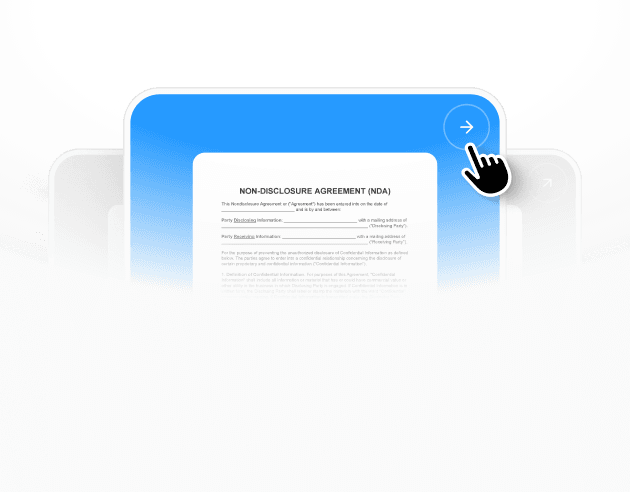
Select a template
Each template already follows legal structure and best practices.
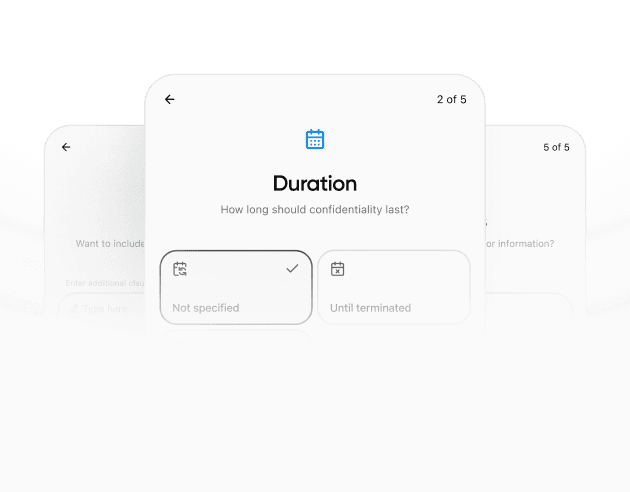
Provide details
The agreement is automatically filled and adapted to your inputs.
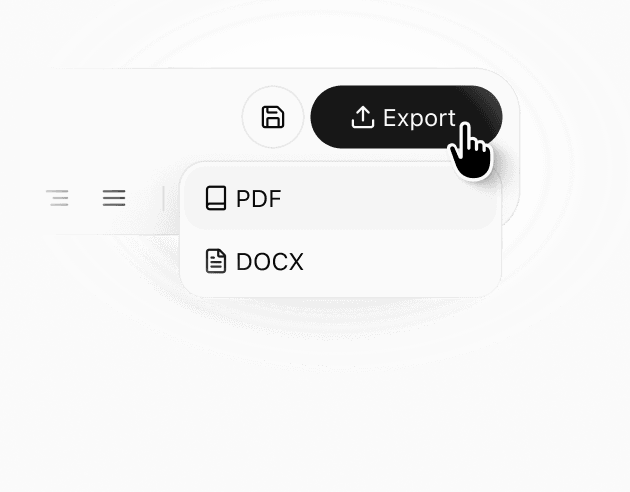
Review & download
Check the generated document, make edits if needed, and download a ready-to-use agreement.
Details
Learn more about
Separation Agreement Template – Illinois
Illinois Separation Agreement Template FAQ
Why restate confidentiality if there was already an NDA?
Separation agreements often restate confidentiality to confirm that post-employment obligations continue and to avoid disputes about whether prior agreements still apply. The separation agreement can also connect confidentiality to property return by requiring return or delivery of documents and materials. Even when an NDA exists, repeating the obligation in the separation document creates a clean, signed record at the moment of departure. That clarity can be helpful later if questions arise about retained files, customer lists, or other sensitive information.
How should work product and IP be handled at the end of employment?
If the employee created work product, the agreement can include a short confirmation that company-owned work product remains with the employer and that repositories, files, and access credentials have been transferred. If a prior IP assignment agreement exists, the separation agreement can reference it and confirm it remains in effect. The goal is to avoid operational disruption and ownership uncertainty. Listing any remaining deliverables or transfer steps as placeholders can help ensure important materials are delivered before final offboarding is complete.
What exclusions should be considered in a release of claims?
Exclusions should match the parties’ intent. If the parties want certain items preserved, the agreement should list them explicitly as exclusions rather than relying on assumptions. Common examples include amounts already owed as final compensation, obligations under separate agreements that are not being terminated, or specific benefits that remain vested. The purpose of exclusions is to avoid a broad release being interpreted to cover topics the parties did not intend to resolve. Clear exclusions also help internal reviewers confirm that the release matches what was negotiated.
Why include a restrictive covenants election table?
An election table makes it clear which restrictions apply and whether they come from a prior agreement or are being reaffirmed. It also forces completion of key details like duration and scope rather than leaving them implied. That clarity helps both sides understand post-employment expectations and helps internal teams administer consistent enforcement decisions. The table does not replace the underlying restriction text if it exists elsewhere, but it creates a single summary record that is easy to review during offboarding.
What is the value of a transition log or deliverables section?
A transition log is an operational tool that documents what must be handed off and when, such as project status, client contacts, or credential transfers. While the agreement sets the legal and financial terms, a structured deliverables section reduces disruption and makes completion easier to verify. It also helps when multiple departments are involved because each item can have an owner and due date. Clear deliverables reduce post-separation confusion about missing files or unfinished handoffs.
What should the agreement say about breaches and notices?
A breach process is clearer when the agreement states where notices must be sent and identifies a contact for each party. For routine issues, a notice-and-cure approach can help resolve problems without escalation. For more sensitive issues like confidentiality, the agreement can still require written notice while reserving appropriate remedies. The goal is predictability: both sides should know how to raise an issue, who receives it, and how it will be documented. Clear notice routing reduces disputes caused by messages being sent to the wrong person or channel.
Similar templates