AI Assisted
Export: PDF & DOCX
Get your custom agreement in minutes
4.8 Rating
Downloaded 2682 times
Get your complete
agreement in minutes
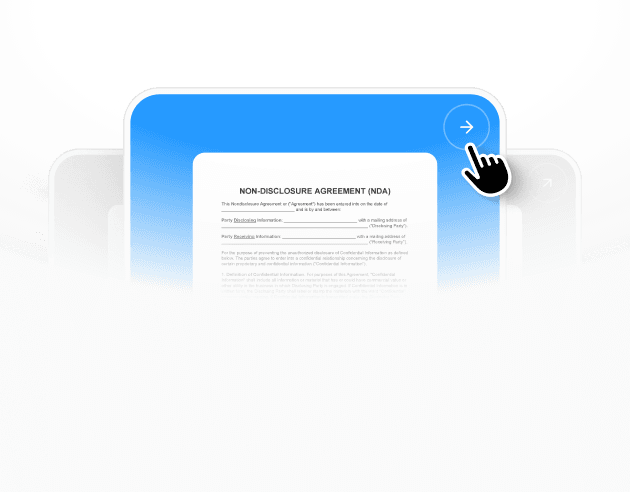
Select a template
Each template already follows legal structure and best practices.
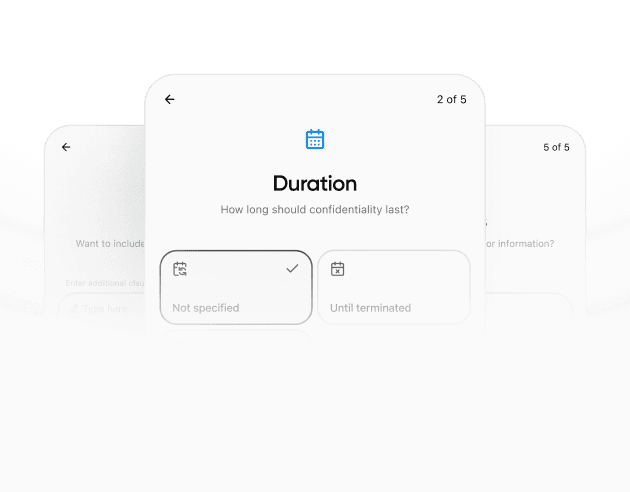
Provide details
The agreement is automatically filled and adapted to your inputs.
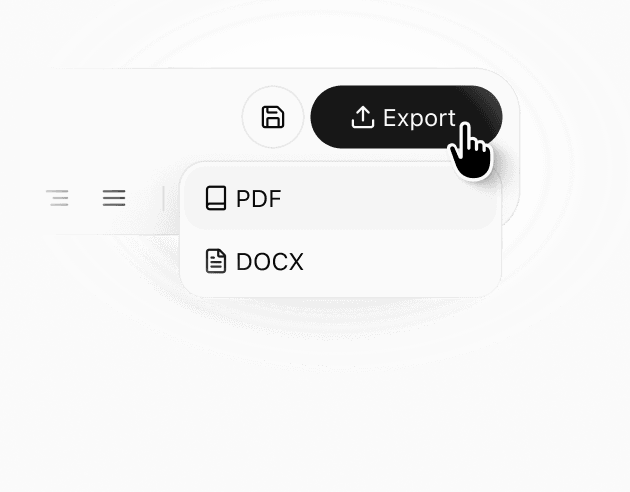
Review & download
Check the generated document, make edits if needed, and download a ready-to-use agreement.
Details
Learn more about
Separation Agreement Template – Florida
Florida Separation Agreement Template FAQ
What is “consideration” in a separation agreement?
Consideration is the value exchanged under the agreement. In employment separations, it may be severance pay, a benefits contribution, or another payment beyond what is already owed. The agreement should state the consideration clearly and connect it to any release of claims or other commitments. When consideration is not clearly identified, the parties can disagree later about what was promised or whether a release was part of the bargain. Even if no severance is offered, the agreement can still document final pay items and post-employment obligations so the separation file is complete.
Why use a release scope matrix instead of one long paragraph?
A release scope matrix lets the parties see the release categories at a glance and decide what is included and excluded. It can reduce misunderstandings because exclusions can be documented in the same row as the category. The matrix format also helps internal reviewers confirm that the release matches the deal terms without parsing dense text. The agreement still includes a core release clause, but the table supports clarity by making the scope choices explicit. This is especially useful when the parties want to exclude certain items, such as specific benefits or amounts already owed.
What should a non-disparagement clause cover?
A practical non-disparagement clause focuses on avoiding false or damaging statements about the other party and can identify authorized contacts for verification or references. If the parties want a mutual obligation, the agreement can state that both sides are bound. The clause works best when it aligns with how communications will actually occur, such as through HR or a designated manager, rather than trying to control every conversation. Clear boundaries reduce conflict after separation and support consistent messaging to coworkers, customers, and vendors.
Should the agreement address outstanding advances or reimbursements?
If advances, expense reimbursements, or repayments exist, the agreement can list them explicitly so final accounting is clear. This prevents disputes about whether an advance was forgiven or why a final payment differed from expectations. The agreement can include placeholders for amounts, due dates, and repayment method, along with any pending reimbursement submissions. Clear accounting language helps payroll and the employee align on what will be paid, what will be deducted or repaid, and what documentation supports the final numbers.
How should access credentials and accounts be handled at separation?
Access issues can be as important as physical property. The agreement can require return of badges and devices and include placeholders for deactivation of accounts, return of MFA devices, and transfer of shared credentials or admin access. For employees who managed vendor portals or shared inboxes, a short handoff list reduces operational disruption. The agreement should identify a due date and a contact who will confirm completion. Clear steps protect the company’s security and give the employee a defined process to complete offboarding.
What if no severance is provided — does the agreement still help?
Yes. Even without severance, the agreement can document the separation date, final compensation items, benefits end dates, property return, confidentiality, and communications expectations. That creates a clean record and reduces reliance on informal emails. It can also confirm which prior obligations remain in effect, such as confidentiality or IP assignment terms, so there is less uncertainty after departure. A clear agreement can be useful for both sides as a closing document, even when no additional payments are offered.
Similar templates