AI Assisted
Export: PDF & DOCX
Get your custom agreement in minutes
4.8 Rating
Downloaded 4088 times
Get your complete
agreement in minutes
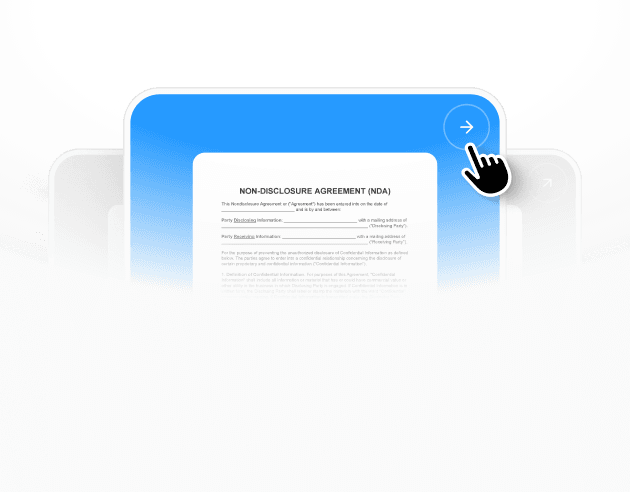
Select a template
Each template already follows legal structure and best practices.
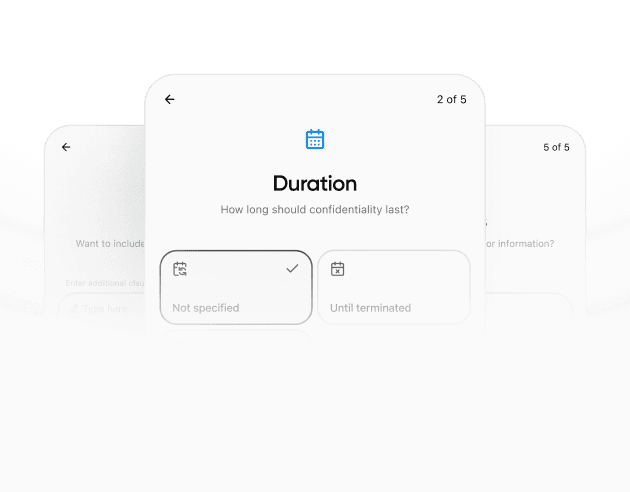
Provide details
The agreement is automatically filled and adapted to your inputs.
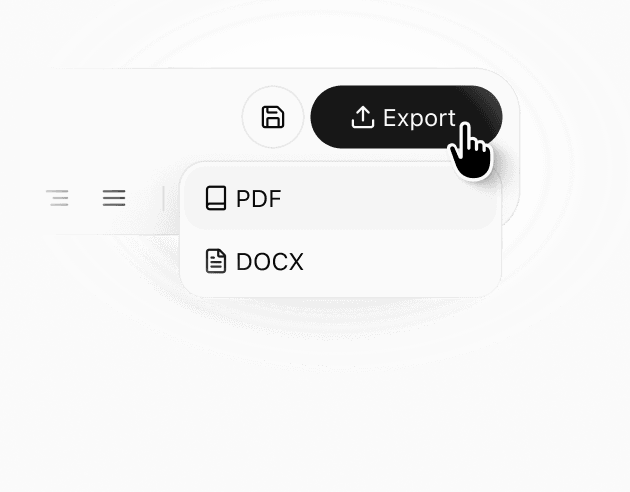
Review & download
Check the generated document, make edits if needed, and download a ready-to-use agreement.
Details
Learn more about
Credit Card Authorization Template – New York
New York Credit Card Authorization Template FAQ
How do I link an authorization to an invoice or order?
Use a reference number in the goods or services section and, if needed, add an allocation table showing how the authorized amount is applied across multiple invoices or orders. This makes it easier for the cardholder to recognize the charge and for the business to reconcile payments. It also helps if a customer later asks which invoice was paid, because the authorization record and the accounting record point to the same identifiers.
Do I need to collect the security code (CVV/CVC) on the form?
Whether you collect it depends on your payment workflow and your processor’s practices. If you include a field, keep it limited to what your process actually uses and avoid adding unnecessary data. If the charge is processed through a secure portal, you may not need to store the code on a paper form at all. The form can still document consent through amount, schedule, and signature even if some details are handled through another secure channel.
What is the difference between an authorization form and a contract?
A contract describes the broader deal, including deliverables, responsibilities, and remedies, while an authorization form focuses narrowly on permission to charge a specific card on stated terms. Many businesses use both: the contract sets the commercial relationship, and the authorization form documents payment consent. If a customer asks why they are being charged, the contract explains the obligation and the authorization form shows the payment method approval.
How should the statement descriptor be handled?
The descriptor should match what will appear on the cardholder’s statement as closely as possible. When the descriptor is unfamiliar, customers are more likely to question or dispute the charge. Include a descriptor field so the business can align internal naming with the customer-facing statement line. If your descriptor varies by brand or location, use a placeholder that captures the exact version used for processing.
Can I use one authorization for both a deposit and a final payment?
You can, but only if the form clearly states the amounts and timing for both charges or defines a recurring schedule that covers them. If the final amount is not known, consider authorizing a maximum amount per billing period and tying it to an invoice issued later. Clarity matters because cardholders typically expect the authorization to mirror the pricing they agreed to.
What should I do if the cardholder updates their card number during a subscription?
Update the card details and keep the original authorization record linked to the updated information, typically by noting an internal reference or creating a refreshed authorization tied to the same subscription. The important point is that the consent remains clear: what is being billed, how often, and how cancellation works. Keeping a record of when the update was provided helps avoid confusion about which card was authorized at which time.
How long should the business keep the signed authorization?
Retention depends on your internal policies and the need to support reconciliation or dispute questions. Whatever period you choose, keep it consistent and ensure the authorization can be retrieved along with the related invoices, receipts, and any cancellation notice. The template’s record index fields are designed to make that retrieval easier by capturing where the documents are stored and the internal reference used to locate them.
Similar templates