AI Assisted
Export: PDF & DOCX
Get your custom agreement in minutes
4.8 Rating
Downloaded 2295 times
Get your complete
agreement in minutes
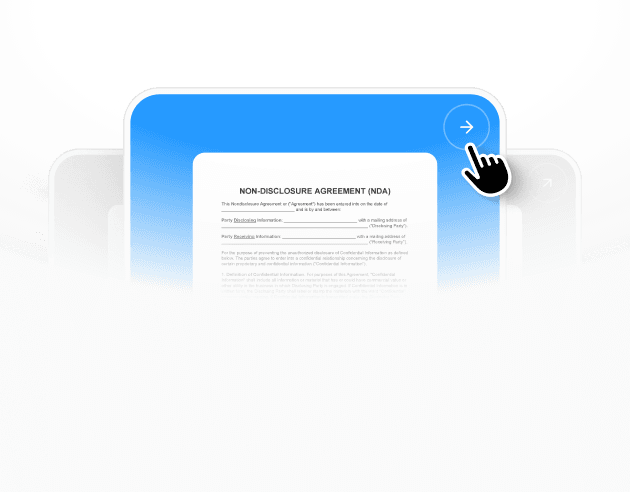
Select a template
Each template already follows legal structure and best practices.
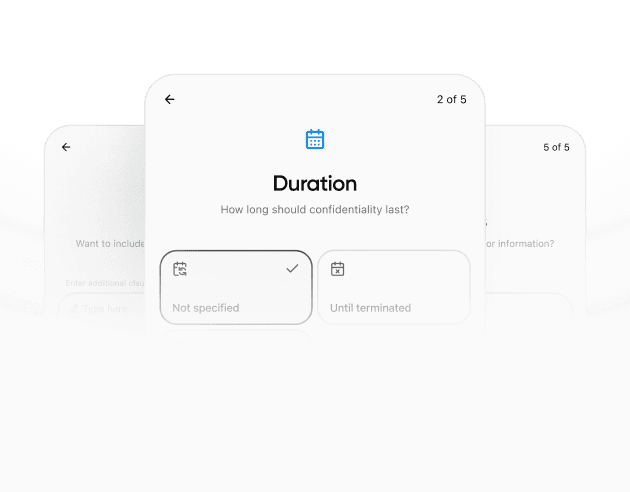
Provide details
The agreement is automatically filled and adapted to your inputs.
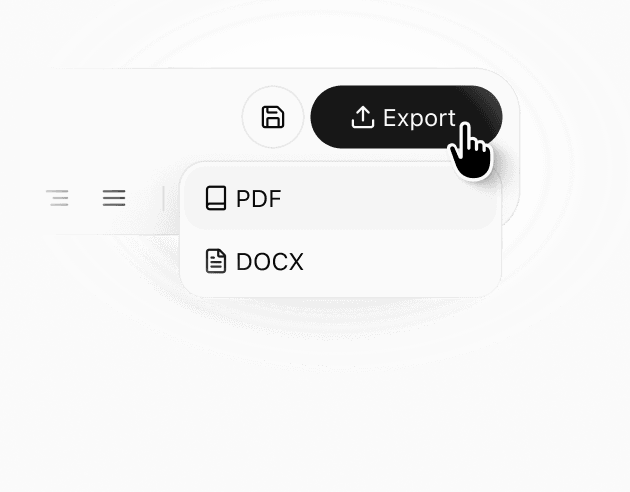
Review & download
Check the generated document, make edits if needed, and download a ready-to-use agreement.
Details
Learn more about
Credit Card Authorization Template – Illinois
Illinois Credit Card Authorization Template FAQ
Why include an internal reference number on the authorization form?
An internal reference makes the authorization easier to retrieve and reconcile without relying on card details. When a customer calls with a billing question, staff can look up the record by account ID, ticket ID, or invoice number and quickly locate the signed consent. It also helps when multiple departments touch billing, because everyone can point to the same identifier for communications, receipts, and cancellations.
How can I keep authorizations consistent across staff members?
A checklist-based intake process reduces variation. The same fields should be completed every time: authorization type, amount, schedule, descriptor, and reference number. Adding a simple internal processing checklist ensures someone confirms that the authorization terms are complete and that the record is stored in the designated location. AI Lawyer can generate standardized versions of the form so each team uses the same structure and placeholders.
What details matter most when billing is recurring?
Recurring billing is clearest when it specifies the recurring amount, frequency, start date, and the end condition. If amounts can vary, a maximum per billing period provides a boundary that the cardholder can understand. Pair these terms with a clear cancellation channel and a processing window so customers know how to stop future charges and when that change takes effect.
Should I attach invoices or contracts to the authorization record?
Attaching supporting documents can be helpful as long as it improves traceability. A copy of the invoice, a receipt, or the relevant transaction reference can clarify what the authorization covers. The most important point is that the authorization can be matched to the underlying transaction, so staff can explain the charge. The template’s record location and attachment index fields help keep those documents linked.
What should be done when a customer says they did not authorize a charge?
Start by locating the authorization record using the internal reference and confirm what was authorized: amount, timing, descriptor, and goods or services description. If the authorization is incomplete or does not match the charge, treat it as an internal escalation and pause future billing under that authorization while you investigate. Keeping a clean audit trail of authorization, changes, and cancellations makes resolution easier.
How do I handle an updated billing address or contact email?
Update the customer record in your billing system and keep the authorization record linked to the same internal reference. The key is to maintain an accurate contact pathway for receipts, notices, and cancellation confirmations. If the update changes the identity of the account holder or creates uncertainty about consent, consider using a refreshed authorization tied to the updated record for clarity.
Is a signature the only way to document consent?
A signature is a strong method because it clearly indicates approval, but some workflows also document consent through secure portals or written confirmations tied to a reference number. Whatever method you use, the record should show who authorized the charge, what terms were authorized, and how the customer can request changes. The goal is that consent is specific, retrievable, and not ambiguous.
Similar templates