AI Assisted
Export: PDF & DOCX
Get your custom agreement in minutes
4.8 Rating
Downloaded 2147 times
Get your complete
agreement in minutes
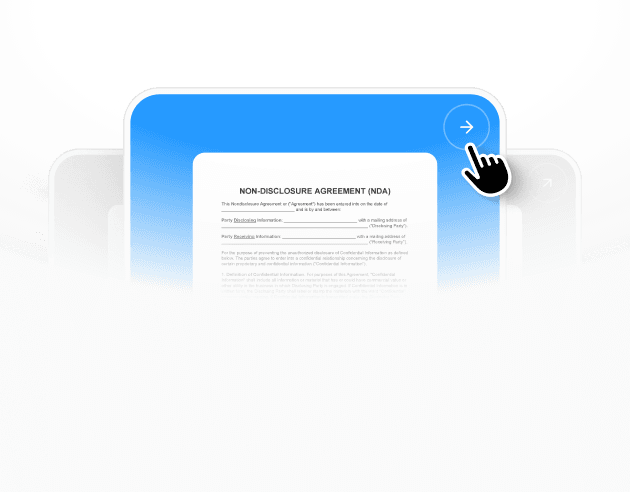
Select a template
Each template already follows legal structure and best practices.
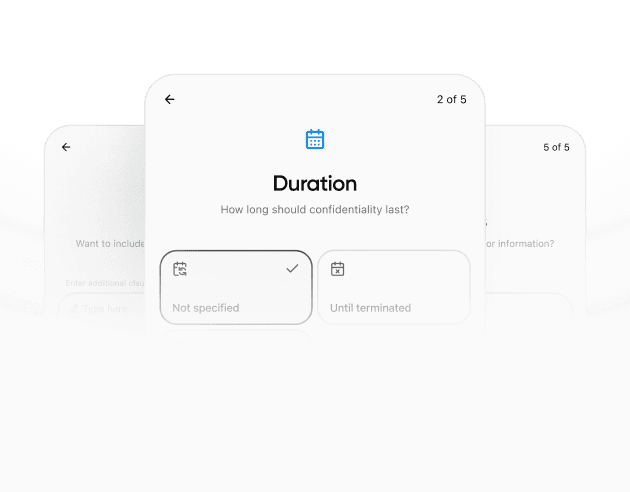
Provide details
The agreement is automatically filled and adapted to your inputs.
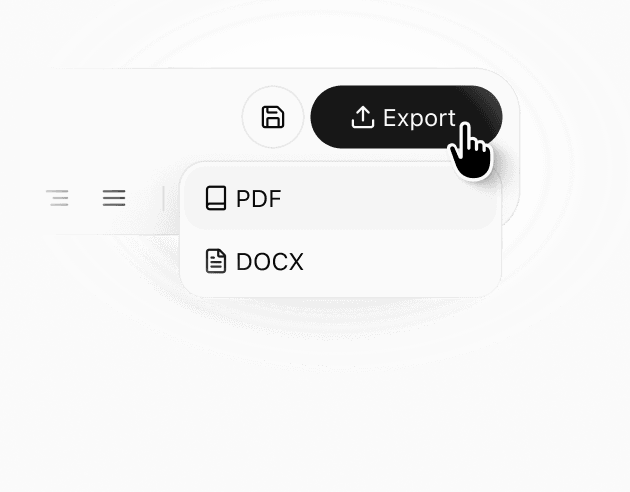
Review & download
Check the generated document, make edits if needed, and download a ready-to-use agreement.
Details
Learn more about
Credit Application Form Template – California
California Credit Application Form Template FAQ
What information should a business applicant gather before completing this form?
A complete business application usually requires basic identity details, a clear request for the credit type and limit, and enough financial context to support the request. Before you start, gather your legal business name, formation date, EIN, and the best contact for underwriting questions. You will typically want your latest financial statements or revenue summary, an AR/AP aging snapshot if you sell on terms, and a current debt list. Having bank and trade references ready helps avoid delays caused by follow-up requests for missing contacts or account details.
Why does the form ask for ownership structure and control persons?
Ownership and control information helps the creditor understand who ultimately benefits from, and who controls, the applicant entity. This can be relevant to identity verification, fraud prevention, and internal risk assessment, especially when the applicant is a newly formed business or operates across multiple entities. The form’s matrix structure makes it easier to capture names, roles, and ownership percentages in a consistent way. If multiple owners exist, completing the table carefully reduces the chance of inconsistent entries that trigger manual review.
How is the “requested terms” field typically evaluated?
Requested terms function as a starting point for underwriting rather than a guarantee. Lenders and suppliers compare the request to application data, credit reports, reference feedback, and internal policies. A request that matches your revenue profile and payment history is easier to approve than one that is high relative to your cash flow. If you have a specific purpose — like inventory purchase or equipment acquisition — stating that purpose can help the reviewer understand why the limit is needed. Clear requests reduce back-and-forth and shorten decision time.
What happens if you leave sections blank or provide estimates?
Blank sections often slow down review because the creditor must pause to request missing information or clarify inconsistencies. Estimates are sometimes acceptable, but they should be labeled in a way that avoids appearing misleading, especially for revenue, assets, or liabilities. If a number depends on a document — like a bank statement or financial report — providing that document can reduce follow-up questions. The most important point is consistency across the application, references, and supporting materials, because conflicting information is a common reason for manual verification.
Do you have to provide a personal guaranty for business credit?
Not always. Some creditors extend business credit without a personal guaranty, while others require one based on the applicant’s age, credit profile, requested limit, or lack of established trade history. The form keeps guaranty information in a separate section so the creditor can apply it only when needed. If a guaranty is required, the terms should be consistent with the account terms and should identify who is guaranteeing and how notices or revocation requests will be handled going forward.
How should you think about consents to pull credit and verify information?
Consents allow the creditor to verify identity, review credit reports, and contact banks or trade references for confirmation. Because the application may be reviewed not only at onboarding but later for account maintenance, the consent language often covers ongoing review as well. Applicants should ensure the signer has authority to grant these permissions on behalf of the business or the individual. If you want a clean, fill-ready version that keeps consents and verification fields organized, AI Lawyer can help generate a polished draft for your specific use case.
What’s the best way to submit supporting documents securely?
Secure submission depends on using a method that limits access and creates a clear audit trail. Many applicants use a secure portal, encrypted email, or a shared folder with restricted permissions and expiring links. It also helps to label files consistently so reviewers can match them to the relevant section of the application, such as “AR Aging” or “Debt Schedule.” If you are submitting sensitive identity data, limit documents to what the creditor requested and avoid sending full account numbers when last-four digits are sufficient.
Similar templates