AI Assisted
Export: PDF & DOCX
Get your custom agreement in minutes
4.8 Rating
Downloaded 3445 times
Get your complete
agreement in minutes
Select a template
Each template already follows legal structure and best practices.
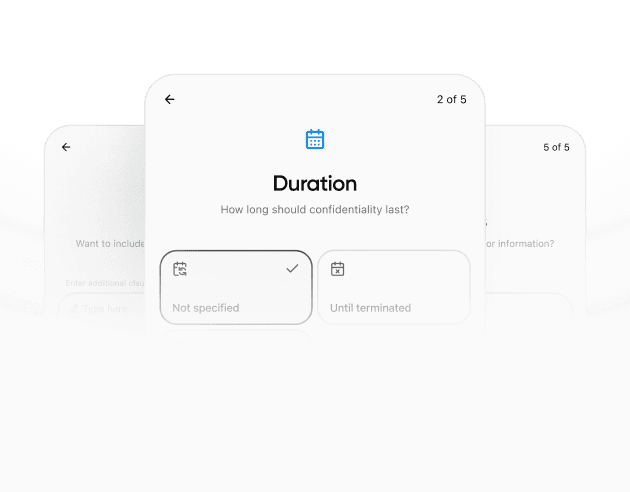
Provide details
The agreement is automatically filled and adapted to your inputs.
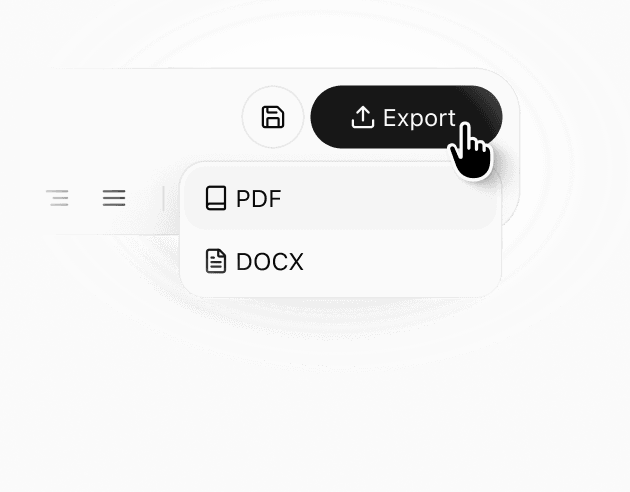
Review & download
Check the generated document, make edits if needed, and download a ready-to-use agreement.
Details
Learn more about
Child Custody Agreement Template – Florida
Florida Child Custody Agreement Template FAQ
Why is a communication protocol section helpful in a custody agreement?
A communication protocol sets expectations before conflict starts. It clarifies where messages should go, which topics require a written record, and how quickly parents respond when a decision is needed. Without structure, messages spread across texts, emails, and calls, making it easier for misunderstandings to grow and harder to confirm what was agreed. A protocol also helps keep communications child-focused by limiting discussions to relevant topics. Over time, consistent channels and response expectations can reduce day-to-day friction and make coordination feel more routine and less emotional.
Which topics should be required to be in writing versus handled by phone or in person?
Written messages are most useful for items that affect schedules, costs, or major decisions because they create a clear record of what was agreed. That includes exchange changes, travel plans, reimbursements, school updates, and medical decisions. Phone calls or in-person discussions can work for quick coordination, but it helps to follow up with a short written confirmation when a decision is made. The agreement can treat urgent issues differently by allowing immediate contact by phone or text, followed by a written summary once things stabilize.
How should we list authorized caregivers and emergency contacts?
An authorization list should be clear enough that a school, daycare, or activity program can rely on it. Parents often include the person’s name, relationship to the child, and contact information, then state whether that person is authorized for pickup and whether they can act in an emergency. If the list changes, a written update to the other parent helps both households maintain the same version. Keeping the list current reduces last-minute conflict at exchanges and helps third parties avoid being placed in the middle during disagreements.
What privacy or device-sharing terms should parents consider for digital records and photos?
Digital coordination is easier when parents agree on where files are stored and who can access them. Many families use a shared folder or a co-parenting app to store receipts, school notices, medical summaries, and travel itineraries. A privacy clause can set boundaries around sharing photos, posting on social media, and granting access to extended family accounts. The goal is to prevent misunderstandings about where information lives and who controls it. Clear rules protect the child’s privacy and reduce arguments about what should or should not be shared.
How can AI Lawyer help refine the communication matrix and custody language?
AI Lawyer can help turn general intentions into precise, practical language, such as setting response expectations for urgent versus routine topics and selecting a single channel for official notices. It can also help align the communication section with parenting time, expenses, and decision-making so the agreement does not contain conflicting processes. If you have unique needs like frequent travel, multiple caregivers, or a complicated schedule, customization can add the right fields and remove unnecessary ones. The result is usually a document that is easier to follow and less likely to trigger avoidable misunderstandings.
How do we handle out-of-state travel with the child?
Travel clauses work best when they focus on notice, contact, and predictability. Parents often set a notice period and require itinerary details such as dates, destination address, and a contact phone number. It can also help to define how the child will communicate with the non-traveling parent during longer trips. If travel affects parenting time, the agreement can state whether make-up time is expected and how it is scheduled. Clear travel terms reduce last-minute disputes and help keep routines stable for the child even when plans change.
Similar templates