AI Assisted
Export: PDF & DOCX
Get your custom agreement in minutes
4.8 Rating
Downloaded 2470 times
Get your complete
agreement in minutes
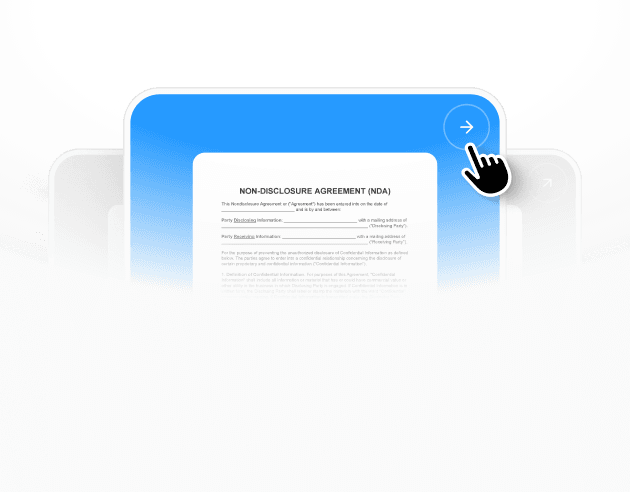
Select a template
Each template already follows legal structure and best practices.
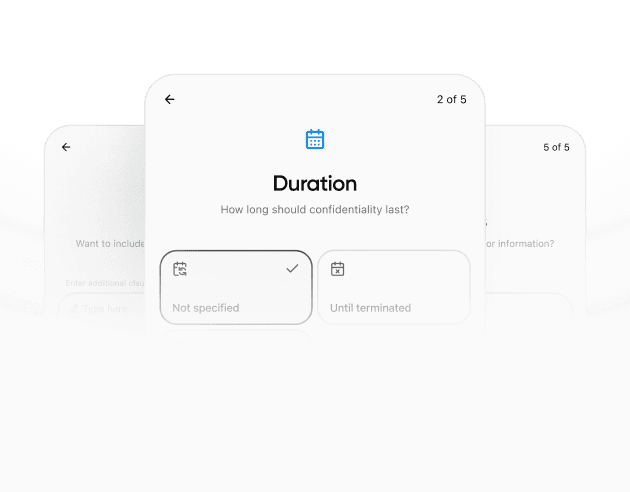
Provide details
The agreement is automatically filled and adapted to your inputs.
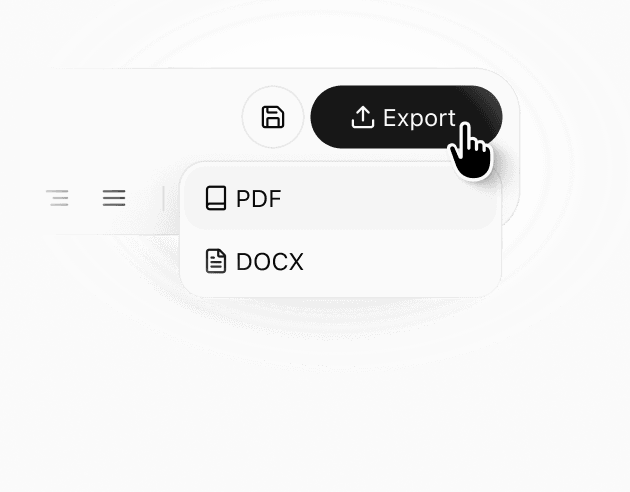
Review & download
Check the generated document, make edits if needed, and download a ready-to-use agreement.
Details
Learn more about
Separation / Divorce-Adjacent Agreements Template – Texas
Texas Separation / Divorce-Adjacent Agreements Hub Template FAQ
What is the fastest way to use this hub to pick the right document set?
Start by selecting your current stage and writing a single primary goal in the selection worksheet. Then choose only the documents that directly support that goal, such as a household expense split agreement for short-term stability or a move-out agreement if a relocation is imminent. Next, complete the information checklist with the minimum facts needed to draft: names, dates, income snapshots, account lists, and any child schedule basics. The hub is designed so you do not have to fill everything at once; you can add detail as decisions become clearer. A focused first pass prevents the common problem of trying to negotiate every topic simultaneously.
When should a move-out agreement be separate from the main separation agreement?
A separate move-out agreement can be useful when the move-out timing and logistics must be resolved quickly, even if broader financial or parenting terms are still being negotiated. Move-out terms often include dates, property removal rules, keys and access handoff, and bill responsibility through the move. Those practical items can be finalized early and reduce day-to-day conflict. The hub supports this by listing move-out agreements as a standalone option and by prompting you to track tasks like utility changes and forwarding plans. Keeping the move-out terms separate can also make the main separation agreement cleaner by avoiding long logistical sections in a document intended to cover ongoing responsibilities.
How does the timeline table help during a separation or divorce process?
A timeline table turns a messy process into a list of dated milestones. You can track when documents should be drafted, exchanged, reviewed, and signed, along with who is responsible for each step. This matters because many disputes during separation are really coordination failures: missing bank statements, unclear deadlines, and forgotten tasks. The hub’s timeline module gives you a place to list those items alongside the document type they relate to. Even if you are not in court, the timeline can help you keep negotiations moving. It also creates a simple record showing what steps were taken and when, which can be useful in mediation planning.
What should be included in a household expense split agreement?
A household expense split agreement should name the bills covered, define who pays each bill, set due dates, and address reimbursement if one party pays more than their share. If you are separating under one roof, it can also include rules for shared spaces, subscriptions, groceries, and utilities. The key is specificity: list the actual accounts, typical amounts, and payment method placeholders so the agreement is easy to follow. The hub encourages you to gather the recurring obligations first and then build the split terms from that list. Clear expense terms reduce arguments caused by assumptions about what “shared expenses” means.
How can the hub document debt allocation without immediately refinancing?
Debt allocation often needs two layers: who pays the monthly minimums now and who is ultimately responsible long term. The hub supports that by listing a debt allocation agreement for the separation period, separate from final property settlement terms. In the short-term document, you can assign payment responsibility and set reimbursement rules if one party pays for the other. In the longer-term documents, you can plan for payoff, refinance, or transfer options as future steps once inventories and budgets are complete. This layered approach can reduce missed payments during the transition and keep bigger restructuring decisions for later.
What should we do about shared digital accounts and passwords?
Shared digital accounts can create both security risk and practical disruption. The hub prompts you to list digital accounts, subscriptions, and access devices so you can plan transfers and deactivations. A practical approach is to identify which accounts must be transferred, which should be closed, and which can remain shared for a limited period, then document the deadlines and who will control them. This is especially important for banking alerts, utilities, and child-related services. Clear documentation reduces conflict because it prevents one side from being locked out of essential services or receiving surprise charges.
Where does a retirement division packet fit in this hub?
The hub treats retirement division as a specialized document path that may be needed only if certain retirement plans are being divided. If that topic is relevant, you can select the retirement division option and then gather plan names, account identifiers, and administrator contacts. The hub’s role is to keep retirement issues visible while you focus on housing and monthly bills. It also helps you decide whether to handle retirement division as part of a final settlement package rather than a temporary agreement. Keeping the task on the hub’s checklist reduces last-minute scrambling when final terms are being prepared.
Similar templates