AI Assisted
Export: PDF & DOCX
Get your custom agreement in minutes
4.8 Rating
Downloaded 2215 times
Get your complete
agreement in minutes
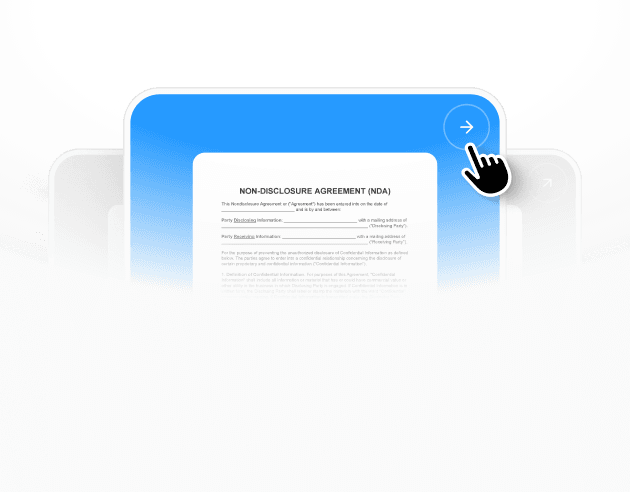
Select a template
Each template already follows legal structure and best practices.
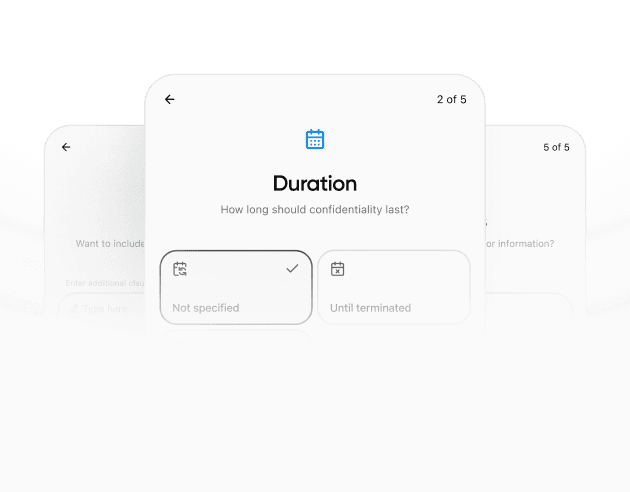
Provide details
The agreement is automatically filled and adapted to your inputs.
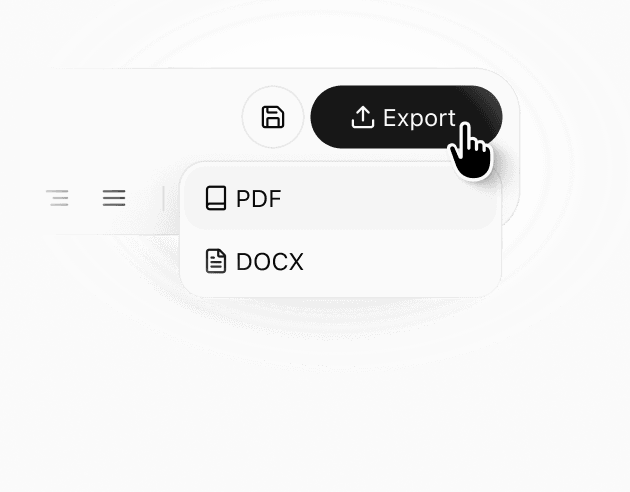
Review & download
Check the generated document, make edits if needed, and download a ready-to-use agreement.
Details
Learn more about
Separation / Divorce-Adjacent Agreements Template – Illinois
Illinois Separation / Divorce-Adjacent Agreements Hub Template FAQ
How does this hub help track debts and ongoing bills during separation?
Bills and debts keep coming due while negotiations are still underway, and missed payments can create unnecessary damage. The hub organizes debt allocation and household expense split options so you can document who pays what now, and how reimbursements will work if one person pays for the other. It also prompts you to gather account lists and typical monthly amounts, which are the inputs needed to draft clear payment responsibilities. The goal is to reduce late fees, missed payments, and arguments driven by assumptions. When obligations are tracked in one place, it becomes easier to update terms as circumstances change.
What is the difference between a debt allocation agreement and a property settlement agreement?
A debt allocation agreement is typically used during the separation period to assign responsibility for ongoing payments and to set reimbursement rules. A property settlement agreement usually reflects broader, more complete final terms dividing assets and debts and resolving longer-term issues. The hub separates these options because the parties may need immediate payment rules even when they are not ready to finalize ownership decisions. Using the hub allows you to create short-term stability first and then move toward a comprehensive settlement once inventories and balances are complete. Keeping the categories separate can also make negotiation easier by limiting each document to a manageable scope.
How should we list personal property to avoid future disputes?
Disputes often arise when personal property is described vaguely or only from memory. The hub encourages a structured approach: identify major items, note where they are located, and record any agreed allocation or a process for deciding allocation later. You can also record whether an item is to be sold, stored, or retained by one party. The goal is not to document every small item immediately, but to create a clear record of the major assets that commonly create conflict. A simple inventory process is easier to update over time than a one-time list that tries to be perfect.
How can an action log help if one party misses a payment responsibility?
An action log gives the parties a place to record what happened, what was done to fix it, and what will happen next. For example, if a bill was missed, the log can record the date, the account, the corrective payment, and whether reimbursement is required. This helps keep disputes from escalating because the conversation shifts to documented steps. The log can also identify who is responsible for follow-up tasks, such as changing autopay settings or transferring account ownership. When issues arise later, the log provides context and reduces arguments about who agreed to what.
What should be included in a name change record update letter?
A name change record update letter should identify the person, the record being updated, and the new name to be used, along with contact details for follow-up. Including an effective date and an account reference helps the recipient locate the correct record. The hub includes name change letters because record updates often touch many institutions, such as banks, employers, schools, and insurers. Using a consistent letter format reduces errors and helps you track which institutions have been updated. Clear, consistent letters can reduce delays caused by missing identifiers or unclear requests about what record must be changed.
When should we move from temporary terms to final terms?
Temporary terms are useful when you need stability quickly but do not yet have complete information or tested routines. Moving to final terms usually makes more sense once you have inventories, account lists, debt balances, and a workable budget, and once you have tried parenting or living arrangements long enough to know what is practical. The hub supports that progression by separating temporary agreements from final settlement options and by providing a checklist for gathering information. Updating the hub as temporary arrangements evolve helps you identify what remains unresolved so the transition to final terms is more structured rather than abrupt.
Should we share the hub with attorneys or keep it private?
Some people use the hub privately to organize goals and missing information before sharing drafts, while others share it early so advisors can identify gaps and prioritize drafting. The hub can function as a clean summary of goals, documents to be prepared, and key facts, which can reduce time spent re-explaining basics. If you share it, consider keeping sensitive account numbers in a separate secure record and using the hub for high-level references. The main benefit of sharing is alignment: everyone works from the same plan and dates. The main benefit of keeping it private is flexibility while you are still deciding what you want.
Similar templates