Digital Asset Trust Template: Trustee Access and Control
Typical length: 4-6 pages
Length: 4-6 pages
AI Assisted
Export: PDF & DOCX
Multi-jurisdiction ready
Multi-jurisdiction
Get your custom agreement in minutes
4.8 Rating
Downloaded 2964 times
Google For Startups
Google For Startups
NVIDIA Inception Program
Digital Asset Trust Template
This Digital Asset Trust is made on [Date] by and between:
Settlor / Grantor: [Full Name]
Address: [Address]
Initial Trustee: [Full Name]
Address: [Address]
Beneficiary: [Full Name]
Address: [Address]
1. Trust Name and Creation
The Settlor creates this trust under the name:
[Name of Trust]
This trust is created to hold, manage, protect, and administer digital assets and related rights according to the terms stated in this document.
2. Purpose of Trust
The purpose of this trust is to provide an organized legal structure for the management, control, protection, and transfer of digital assets and related digital rights.
This trust is intended to allow the Trustee to act with clear authority regarding digital assets, digital accounts, access credentials, and related information, to the extent allowed by law and applicable service terms.
3. Trust Property
The Settlor transfers to the Trustee the following trust property:
[Cryptocurrency or digital wallet interests]
[Online financial or payment accounts]
[Domain names or websites]
[Digital business accounts]
[Cloud storage or digital files]
[Email or communication accounts]
[Social media or platform accounts]
[Digital intellectual property]
[Other digital assets]
Additional property may be added to this trust at any time if accepted by the Trustee and allowed by law.
4. Definition of Digital Assets
For purposes of this trust, digital assets may include electronically stored content, electronically stored records, online accounts, digital files, websites, domain names, cryptocurrencies, tokens, wallets, access credentials, subscription accounts, digital business property, and other rights or interests that exist in digital or electronic form.
This definition is intended to be interpreted broadly to the extent allowed by applicable law.
5. Revocable or Irrevocable Status
This trust shall be:
☐ revocable during the Settlor’s lifetime
☐ irrevocable
☐ otherwise as follows: [Describe]
If revocable, any amendment or revocation must be made in writing and signed as required by law.
6. Trustee Authority Over Digital Assets
The Trustee shall have authority, to the extent allowed by law, to:
access, control, recover, secure, store, transfer, sell, retain, license, distribute, or close digital assets and digital accounts;
interact with custodians, service providers, exchanges, registrars, wallet providers, hosting providers, and online platforms;
obtain records, communications, account information, and digital content where lawful;
use lawfully available online tools, account settings, authorizations, and directions connected to the Settlor’s digital assets;
engage technical, legal, tax, cybersecurity, or forensic professionals;
take steps to preserve value, protect security, and prevent unauthorized access or loss.
The Trustee may act directly or through authorized agents or advisors as reasonably necessary.
7. Access Credentials and Instructions
The Settlor may maintain a separate written or digital memorandum identifying digital assets, custodians, wallet information, devices, storage locations, and practical access instructions.
Such memorandum may be updated from time to time by the Settlor and may be used by the Trustee for administration purposes to the extent allowed by law and consistent with this trust.
The Trustee shall treat all access information as confidential and use it only for trust administration purposes.
8. Online Tools and Custodian Directions
If the Settlor has used any online tool, platform setting, beneficiary designation, legacy contact feature, or similar digital direction concerning a digital account, the Trustee shall honor and administer those directions to the extent required or permitted by applicable law.
If no such online direction controls, the Trustee may rely on the authority granted in this trust and any other lawful documentation.
9. Digital Asset Administration Standards
In administering digital assets, the Trustee may consider:
security and risk of loss;
volatility of value;
liquidity needs of the trust;
privacy interests;
tax consequences;
platform or custodian restrictions;
the Beneficiary’s needs and the purpose of this trust.
The Trustee may decide whether digital assets should be retained, converted, distributed in kind, liquidated, archived, transferred, or deleted, consistent with the trust purpose and applicable law.
10. Cryptocurrency and Wallet Provisions
If the trust holds cryptocurrency, tokens, or blockchain-based assets, the Trustee may:
maintain hot or cold storage;
transfer assets between wallets or custodians;
retain or liquidate holdings;
use exchanges, brokers, custodians, or recovery services;
secure seed phrases, keys, passwords, and authentication tools;
take reasonable protective measures against theft, loss, or unauthorized transfer.
Special instructions for crypto-related assets, if any:
[Insert details]
11. Business and Revenue-Producing Digital Assets
If the trust holds digital assets connected to a business, website, online store, monetized channel, app, subscription platform, or other revenue-producing activity, the Trustee may continue operations, appoint managers, license the assets, collect income, pay expenses, or transfer or sell the assets as reasonably necessary.
Additional business administration terms, if any:
[Insert details]
12. Privacy and Confidentiality
The Trustee shall use reasonable care to protect confidential data, private communications, access credentials, and sensitive information related to the trust’s digital assets.
The Trustee may withhold or limit disclosure of sensitive technical or access information if the Trustee reasonably determines that disclosure could create security risk, legal risk, or risk of asset loss.
13. Beneficiary Provisions
The primary beneficiary of this trust is:
[Beneficiary Full Name]
The Trustee may distribute trust property, income, access rights, devices, records, or other digital assets for the benefit of the beneficiary according to the following terms:
[Describe distribution standards]
The Trustee may distribute digital assets directly, transfer control of accounts where lawful, convert digital assets to cash, or hold assets in continuing trust as stated below:
[Insert terms]
14. Successor Trustee
If the Initial Trustee dies, resigns, becomes unable to serve, or is removed, the following person shall serve as Successor Trustee:
[Successor Trustee Full Name]
If that person cannot serve, the next Successor Trustee shall be:
[Alternate Successor Trustee Full Name]
A Trustee may resign by written notice. A replacement Trustee may accept appointment in writing.
15. Trustee Compensation and Expenses
The Trustee shall be:
☐ entitled to reasonable compensation
☐ not entitled to compensation except reimbursement of expenses
☐ compensated as follows: [Describe]
The Trustee shall be reimbursed for reasonable expenses properly incurred in administering the trust, including technology, storage, security, legal, tax, and recovery expenses.
16. Accounting and Records
The Trustee shall keep reasonable records of trust property, transactions, income, expenses, access actions, transfers, and distributions.
The Trustee shall provide an accounting or summary report:
☐ annually
☐ upon reasonable written request
☐ to the following person or persons: [Name(s)]
☐ as otherwise required by law
17. Spendthrift Protection
To the extent allowed by law, a beneficiary may not assign, transfer, pledge, or encumber any beneficial interest in this trust before actual distribution, and trust assets shall not be subject to the beneficiary’s creditors before distribution.
18. Incapacity or Death of Settlor
If this trust is intended to become active or to continue administration upon the Settlor’s incapacity or death, the triggering event shall be determined as follows:
☐ written certification by licensed physician
☐ death certificate
☐ determination under separate trust terms
☐ other: [Describe]
19. Termination of Trust
This trust shall terminate upon:
☐ complete distribution of trust property
☐ death of the beneficiary
☐ a stated date: [Date]
☐ another event stated here: [Describe]
Upon termination, the Trustee shall pay lawful expenses, taxes, and final administration costs before distributing any remaining trust property as provided below.
20. Remainder Beneficiaries
After termination of the trust, the remaining trust property shall be distributed as follows:
[Remainder beneficiary names and shares]
21. Governing Law
This trust shall be governed by the laws of the state of [State].
22. Signatures
Settlor / Grantor Signature: __________________________
Name: [Full Name]
Date: [Date]
Trustee Signature: __________________________
Name: [Full Name]
Date: [Date]
Successor Trustee Signature, if desired: __________________________
Name: [Full Name]
Date: [Date]
23. Notary Acknowledgment
State of [State]
County of [County]
On this [Day] of [Month], [Year], before me, the undersigned notary public, personally appeared [Name of Signer(s)], known to me or satisfactorily proven to be the person(s) whose name(s) are subscribed to this instrument, and acknowledged that they executed the same for the purposes stated herein.
Notary Public Signature: __________________________
Name: [Notary Name]
My Commission Expires: [Date]

Digital Asset Trust Template
This Digital Asset Trust is made on [Date] by and between:
Settlor / Grantor: [Full Name]
Address: [Address]
Initial Trustee: [Full Name]
Address: [Address]
Beneficiary: [Full Name]
Address: [Address]
1. Trust Name and Creation
The Settlor creates this trust under the name:
[Name of Trust]
This trust is created to hold, manage, protect, and administer digital assets and related rights according to the terms stated in this document.
2. Purpose of Trust
The purpose of this trust is to provide an organized legal structure for the management, control, protection, and transfer of digital assets and related digital rights.
This trust is intended to allow the Trustee to act with clear authority regarding digital assets, digital accounts, access credentials, and related information, to the extent allowed by law and applicable service terms.
3. Trust Property
The Settlor transfers to the Trustee the following trust property:
[Cryptocurrency or digital wallet interests]
[Online financial or payment accounts]
[Domain names or websites]
[Digital business accounts]
[Cloud storage or digital files]
[Email or communication accounts]
[Social media or platform accounts]
[Digital intellectual property]
[Other digital assets]
Additional property may be added to this trust at any time if accepted by the Trustee and allowed by law.
4. Definition of Digital Assets
For purposes of this trust, digital assets may include electronically stored content, electronically stored records, online accounts, digital files, websites, domain names, cryptocurrencies, tokens, wallets, access credentials, subscription accounts, digital business property, and other rights or interests that exist in digital or electronic form.
This definition is intended to be interpreted broadly to the extent allowed by applicable law.
5. Revocable or Irrevocable Status
This trust shall be:
☐ revocable during the Settlor’s lifetime
☐ irrevocable
☐ otherwise as follows: [Describe]
If revocable, any amendment or revocation must be made in writing and signed as required by law.
6. Trustee Authority Over Digital Assets
The Trustee shall have authority, to the extent allowed by law, to:
access, control, recover, secure, store, transfer, sell, retain, license, distribute, or close digital assets and digital accounts;
interact with custodians, service providers, exchanges, registrars, wallet providers, hosting providers, and online platforms;
obtain records, communications, account information, and digital content where lawful;
use lawfully available online tools, account settings, authorizations, and directions connected to the Settlor’s digital assets;
engage technical, legal, tax, cybersecurity, or forensic professionals;
take steps to preserve value, protect security, and prevent unauthorized access or loss.
The Trustee may act directly or through authorized agents or advisors as reasonably necessary.
7. Access Credentials and Instructions
The Settlor may maintain a separate written or digital memorandum identifying digital assets, custodians, wallet information, devices, storage locations, and practical access instructions.
Such memorandum may be updated from time to time by the Settlor and may be used by the Trustee for administration purposes to the extent allowed by law and consistent with this trust.
The Trustee shall treat all access information as confidential and use it only for trust administration purposes.
8. Online Tools and Custodian Directions
If the Settlor has used any online tool, platform setting, beneficiary designation, legacy contact feature, or similar digital direction concerning a digital account, the Trustee shall honor and administer those directions to the extent required or permitted by applicable law.
If no such online direction controls, the Trustee may rely on the authority granted in this trust and any other lawful documentation.
9. Digital Asset Administration Standards
In administering digital assets, the Trustee may consider:
security and risk of loss;
volatility of value;
liquidity needs of the trust;
privacy interests;
tax consequences;
platform or custodian restrictions;
the Beneficiary’s needs and the purpose of this trust.
The Trustee may decide whether digital assets should be retained, converted, distributed in kind, liquidated, archived, transferred, or deleted, consistent with the trust purpose and applicable law.
10. Cryptocurrency and Wallet Provisions
If the trust holds cryptocurrency, tokens, or blockchain-based assets, the Trustee may:
maintain hot or cold storage;
transfer assets between wallets or custodians;
retain or liquidate holdings;
use exchanges, brokers, custodians, or recovery services;
secure seed phrases, keys, passwords, and authentication tools;
take reasonable protective measures against theft, loss, or unauthorized transfer.
Special instructions for crypto-related assets, if any:
[Insert details]
11. Business and Revenue-Producing Digital Assets
If the trust holds digital assets connected to a business, website, online store, monetized channel, app, subscription platform, or other revenue-producing activity, the Trustee may continue operations, appoint managers, license the assets, collect income, pay expenses, or transfer or sell the assets as reasonably necessary.
Additional business administration terms, if any:
[Insert details]
12. Privacy and Confidentiality
The Trustee shall use reasonable care to protect confidential data, private communications, access credentials, and sensitive information related to the trust’s digital assets.
The Trustee may withhold or limit disclosure of sensitive technical or access information if the Trustee reasonably determines that disclosure could create security risk, legal risk, or risk of asset loss.
13. Beneficiary Provisions
The primary beneficiary of this trust is:
[Beneficiary Full Name]
The Trustee may distribute trust property, income, access rights, devices, records, or other digital assets for the benefit of the beneficiary according to the following terms:
[Describe distribution standards]
The Trustee may distribute digital assets directly, transfer control of accounts where lawful, convert digital assets to cash, or hold assets in continuing trust as stated below:
[Insert terms]
14. Successor Trustee
If the Initial Trustee dies, resigns, becomes unable to serve, or is removed, the following person shall serve as Successor Trustee:
[Successor Trustee Full Name]
If that person cannot serve, the next Successor Trustee shall be:
[Alternate Successor Trustee Full Name]
A Trustee may resign by written notice. A replacement Trustee may accept appointment in writing.
15. Trustee Compensation and Expenses
The Trustee shall be:
☐ entitled to reasonable compensation
☐ not entitled to compensation except reimbursement of expenses
☐ compensated as follows: [Describe]
The Trustee shall be reimbursed for reasonable expenses properly incurred in administering the trust, including technology, storage, security, legal, tax, and recovery expenses.
16. Accounting and Records
The Trustee shall keep reasonable records of trust property, transactions, income, expenses, access actions, transfers, and distributions.
The Trustee shall provide an accounting or summary report:
☐ annually
☐ upon reasonable written request
☐ to the following person or persons: [Name(s)]
☐ as otherwise required by law
17. Spendthrift Protection
To the extent allowed by law, a beneficiary may not assign, transfer, pledge, or encumber any beneficial interest in this trust before actual distribution, and trust assets shall not be subject to the beneficiary’s creditors before distribution.
18. Incapacity or Death of Settlor
If this trust is intended to become active or to continue administration upon the Settlor’s incapacity or death, the triggering event shall be determined as follows:
☐ written certification by licensed physician
☐ death certificate
☐ determination under separate trust terms
☐ other: [Describe]
19. Termination of Trust
This trust shall terminate upon:
☐ complete distribution of trust property
☐ death of the beneficiary
☐ a stated date: [Date]
☐ another event stated here: [Describe]
Upon termination, the Trustee shall pay lawful expenses, taxes, and final administration costs before distributing any remaining trust property as provided below.
20. Remainder Beneficiaries
After termination of the trust, the remaining trust property shall be distributed as follows:
[Remainder beneficiary names and shares]
21. Governing Law
This trust shall be governed by the laws of the state of [State].
22. Signatures
Settlor / Grantor Signature: __________________________
Name: [Full Name]
Date: [Date]
Trustee Signature: __________________________
Name: [Full Name]
Date: [Date]
Successor Trustee Signature, if desired: __________________________
Name: [Full Name]
Date: [Date]
23. Notary Acknowledgment
State of [State]
County of [County]
On this [Day] of [Month], [Year], before me, the undersigned notary public, personally appeared [Name of Signer(s)], known to me or satisfactorily proven to be the person(s) whose name(s) are subscribed to this instrument, and acknowledged that they executed the same for the purposes stated herein.
Notary Public Signature: __________________________
Name: [Notary Name]
My Commission Expires: [Date]

Get your complete
agreement in minutes

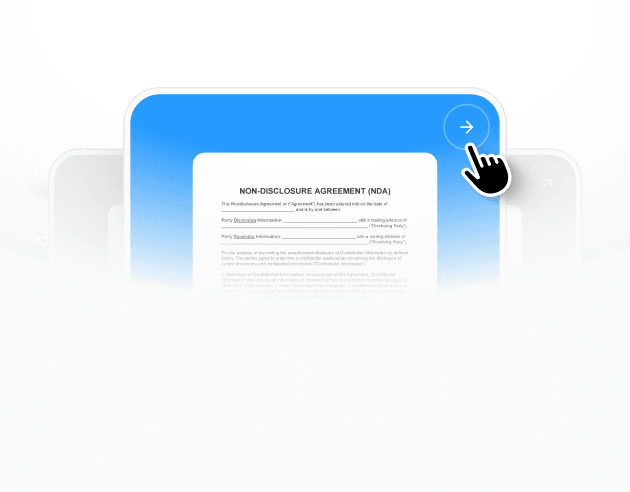
Select a template
Each template already follows legal structure and best practices.

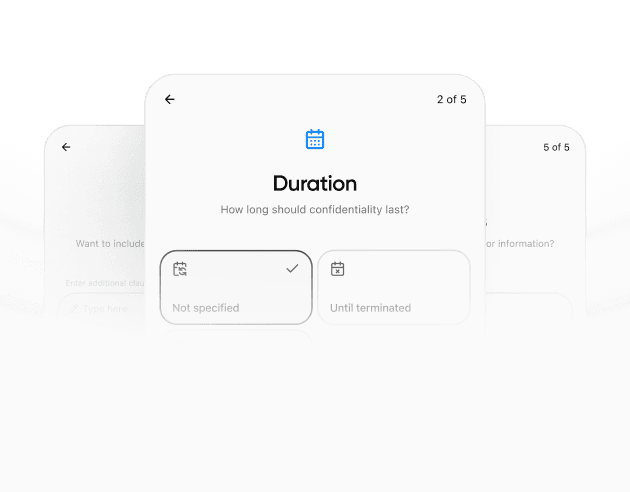
Provide details
The agreement is automatically filled and adapted to your inputs.

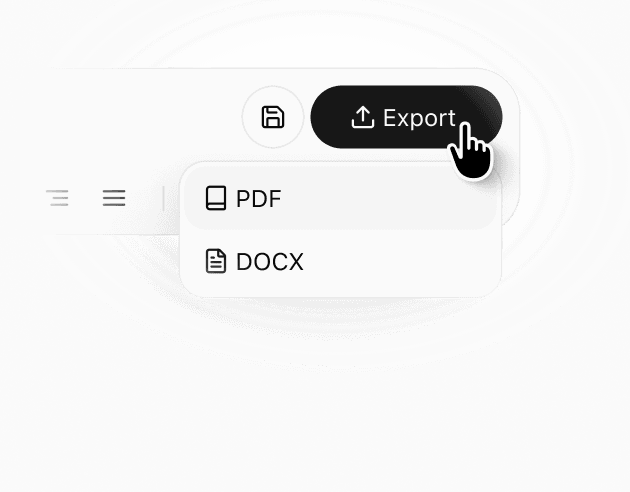
Review & download
Check the generated document, make edits if needed, and download a ready-to-use agreement.
Details
Learn more about
Digital Asset Trust Template: Trustee Access and Control
Click below for detailed info on the template.
For quick answers, scroll below to see the FAQ.
Click below for detailed info on the template.
For quick answers, scroll below to see the FAQ.
DIGITAL ASSET TRUST TEMPLATE FAQ
What is a digital asset trust?
A digital asset trust is a trust designed to hold, manage, or govern access to digital property and digital accounts, such as online financial accounts, cryptocurrency, cloud files, domain names, websites, email, social media, and similar electronic records or rights. In the United States, fiduciary access to many digital assets is commonly shaped by the Revised Uniform Fiduciary Access to Digital Assets Act, which specifically addresses trustees and other fiduciaries.
Why do you need a digital asset trust?
You need a digital asset trust to give a trustee clear authority to manage digital property and to reduce confusion about access, control, privacy, and transfer of those assets. Estate-planning guidance notes that digital assets create unique planning problems, especially where access depends on private keys, platform credentials, online tools, or terms of service. Clear trust language can help fiduciaries act lawfully and practically.
When should you use a digital asset trust?
Use a digital asset trust when a person owns meaningful digital property, maintains online accounts that may need fiduciary management, or wants a trustee to control access and administration during incapacity or after death. This is especially useful for cryptocurrency, online business assets, revenue-generating accounts, digital intellectual property, and cloud-stored records. Most states have adopted rules based on RUFADAA, but access still depends on the governing documents, platform settings, and applicable state law.
How to write a digital asset trust?
Start with the trust name, settlor, trustee, and beneficiary information. Then define what counts as a digital asset, describe the trust property, and give the trustee express authority to access, control, transfer, store, or close digital accounts and assets as allowed by law. It is also useful to address inventories, online tools, private keys, custodians, confidentiality, successor trustees, and distribution or retention instructions, because digital asset administration often requires both legal authority and practical access planning.
Can AI Lawyer help if trustees, family members, and reviewers all need to review?
AI Lawyer can help by organizing the trust into clear sections so each reviewer can find the relevant details quickly. It can also add internal reference fields, trustee notes, and placeholders that make updates easier to track. A consistent structure helps reduce repeated edits and lowers the chance of missing key details like digital asset categories, trustee powers, access instructions, or successor trustee terms before the document is signed.
Similar templates
Other templates from
Last Will and Testament
Money back guarantee
Free trial
Cancel anytime
AI Lawyer protects
your rights and wallet
Money back guarantee
Free trial
Cancel anytime
AI Lawyer protects
your rights and wallet
Money back guarantee
Free trial
Cancel anytime
AI Lawyer protects
your rights and wallet
Money back guarantee
Free trial
Cancel anytime