AI Assisted
Export: PDF & DOCX
Get your custom agreement in minutes
4.8 Rating
Downloaded 2310 times
Get your complete
agreement in minutes
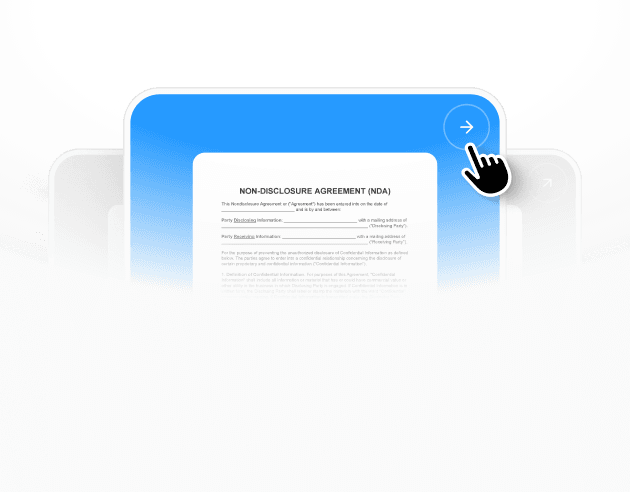
Select a template
Each template already follows legal structure and best practices.
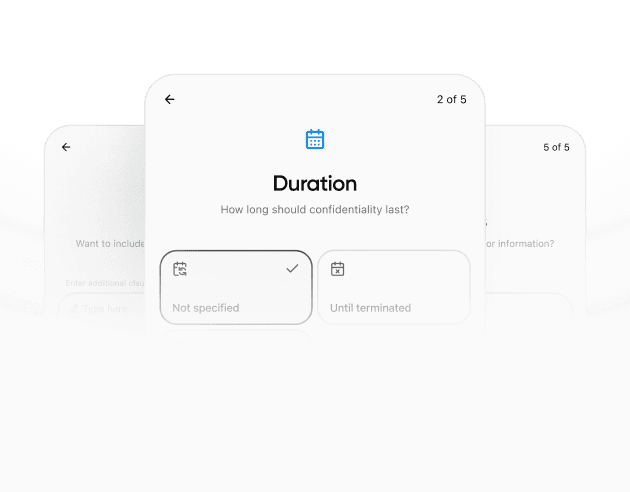
Provide details
The agreement is automatically filled and adapted to your inputs.
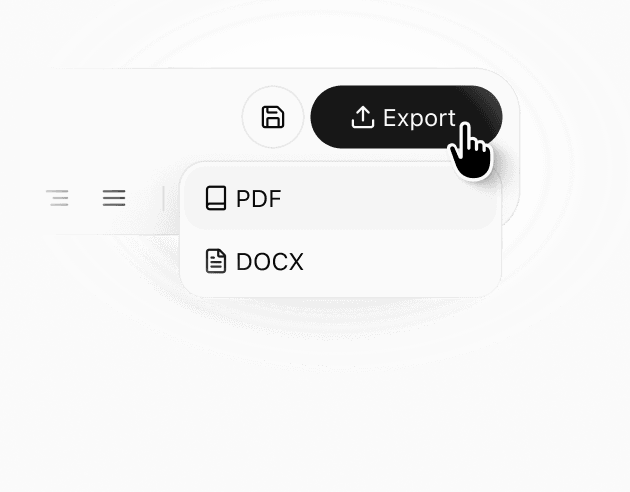
Review & download
Check the generated document, make edits if needed, and download a ready-to-use agreement.
Details
Learn more about
Child Custody Agreement Template – Illinois
Illinois Child Custody Agreement Template FAQ
How can we structure school and activity responsibilities so both parents stay informed?
School and activity coordination is easier when the agreement identifies where information comes from and how it is shared. Parents can list schools, programs, and activity providers, then specify where notices are sent and where documents are stored. A process for sharing report cards, attendance notices, and schedule changes helps both households stay aligned. If one parent typically handles registrations or payments, the agreement can still require timely updates to the other parent. Keeping the plan simple but consistent makes it easier to follow during busy school weeks.
What should we include about pick-up rights and who can access the child at school or daycare?
Pick-up provisions should identify who is authorized and how that authorization is communicated to third parties. Schools and daycares often need names and contact details and may require written updates. The agreement can clarify whether either parent may add an authorized person during their parenting time and how the other parent is notified. If the child attends multiple programs, list each location so the same rule applies everywhere. Clear pick-up rules support safety, reduce last-minute confusion, and help staff avoid being placed in the middle of a disagreement.
How should parents handle schedule changes when school calendars or activities shift mid-year?
Mid-year changes are common, so it helps to include a simple change request process instead of relying on informal negotiations. Parents can document the prior schedule, the triggering event, the proposed change, and the expected impact on the child’s routine. Adding a temporary plan with a clear end date keeps an adjustment from becoming permanent by accident. When both parents use the same structure, the conversation stays focused on stability and logistics. If there is disagreement, the agreement can require mediation before a larger change is adopted.
What is a good way to document shared expenses for extracurriculars and supplies?
Shared expenses are easier to manage when the agreement lists common categories and sets a standard reimbursement timeline. Parents often include activity fees, uniforms, school supplies, and other recurring items, along with the split percentage. Requiring a receipt or invoice reduces disputes about what was paid and when. A consistent tracking format makes reconciliation faster, especially when there are multiple activities. Keep the process simple: proof, split, and a firm deadline. When expectations are clear, reimbursements are less likely to become a recurring source of tension.
How can we avoid vague “as agreed” language in a parenting plan?
“As agreed” can offer flexibility, but it can also create conflict when expectations differ. A useful approach is to pair flexibility with a default rule. Set a standard schedule and allow changes only when confirmed in a specific channel, within a specific timeframe. Also define what happens if no agreement is reached, such as reverting to the default schedule. This preserves predictability for the child while still allowing cooperation when both parents truly agree. It also reduces the risk that one parent assumes a change was approved when the other parent did not actually consent.
When is it appropriate to revisit custody and decision-making terms?
Revisiting terms can make sense when the child’s needs change or the parents’ circumstances shift, such as a move, a new school, or a significant work-schedule change. Many parents review the agreement at major school transitions or on a regular cadence, then document updates in writing. Building a review process into the agreement can make revisions feel expected rather than reactive. The focus should remain on stability and routine for the child, with changes aimed at improving coordination and reducing ongoing friction between households.
Similar templates