
AI summarization software does more than condense text. The good ones get you a fast read of the right kind of document — an agreement, an academic article, a PDF, a meeting transcript. Rather than compare software on features, we ask which one suits your work.
Some tools are better at verification and provenance. Others work well for academic reading, legal review, or transcript work. This guide is about fit.
You Might Also Like:
Best AI Tools for Summarizing Documents at a Glance
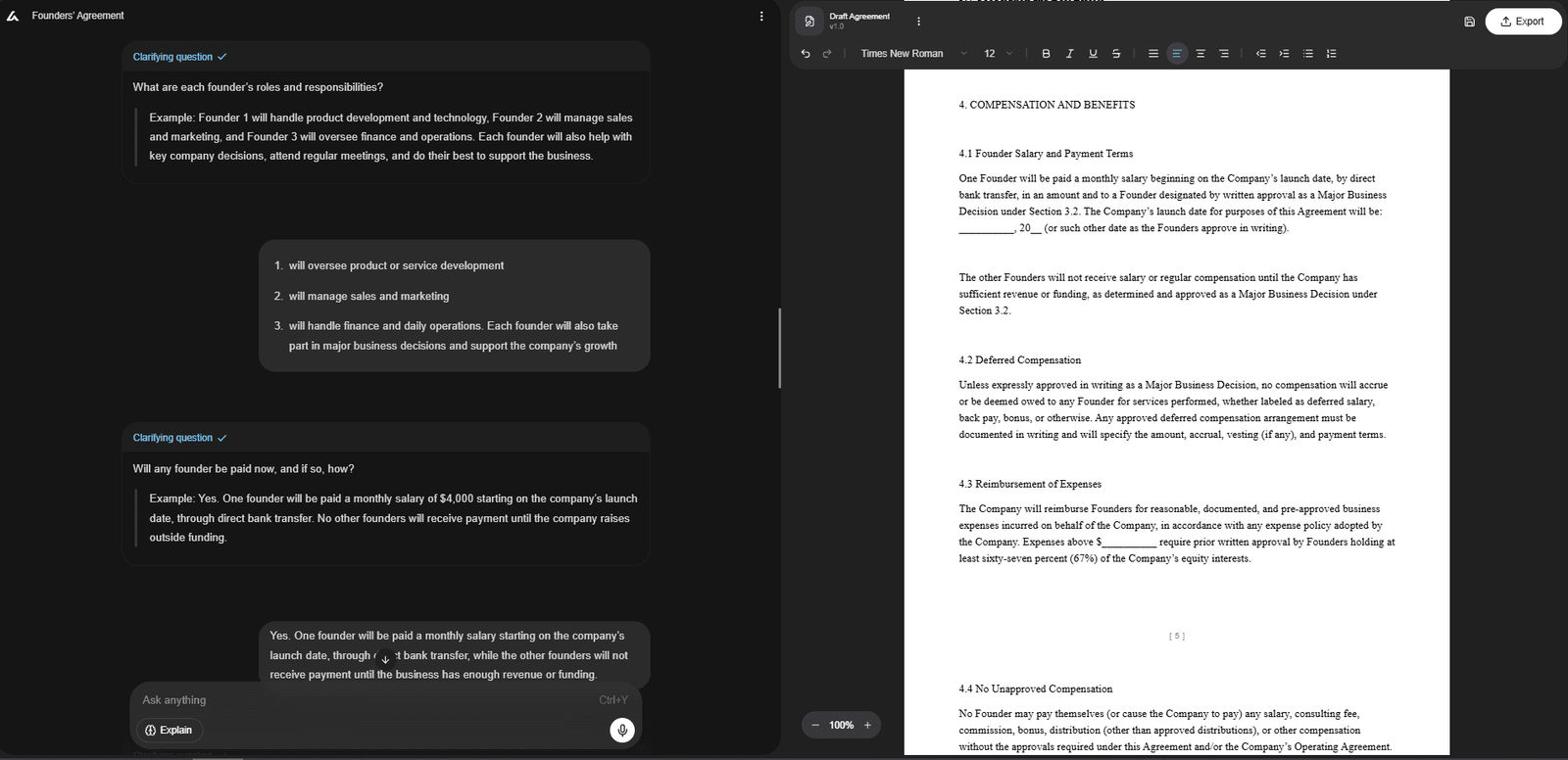
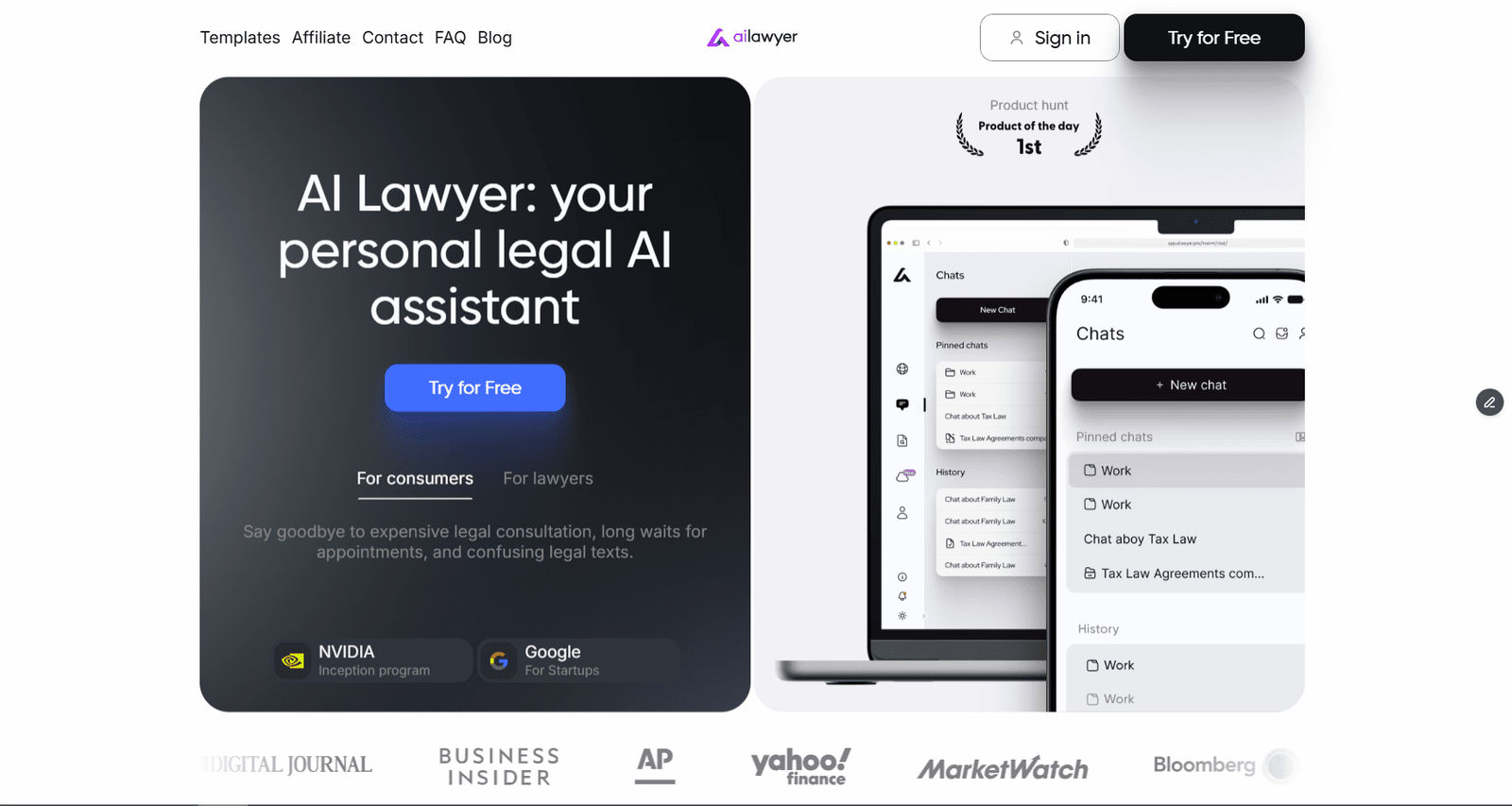
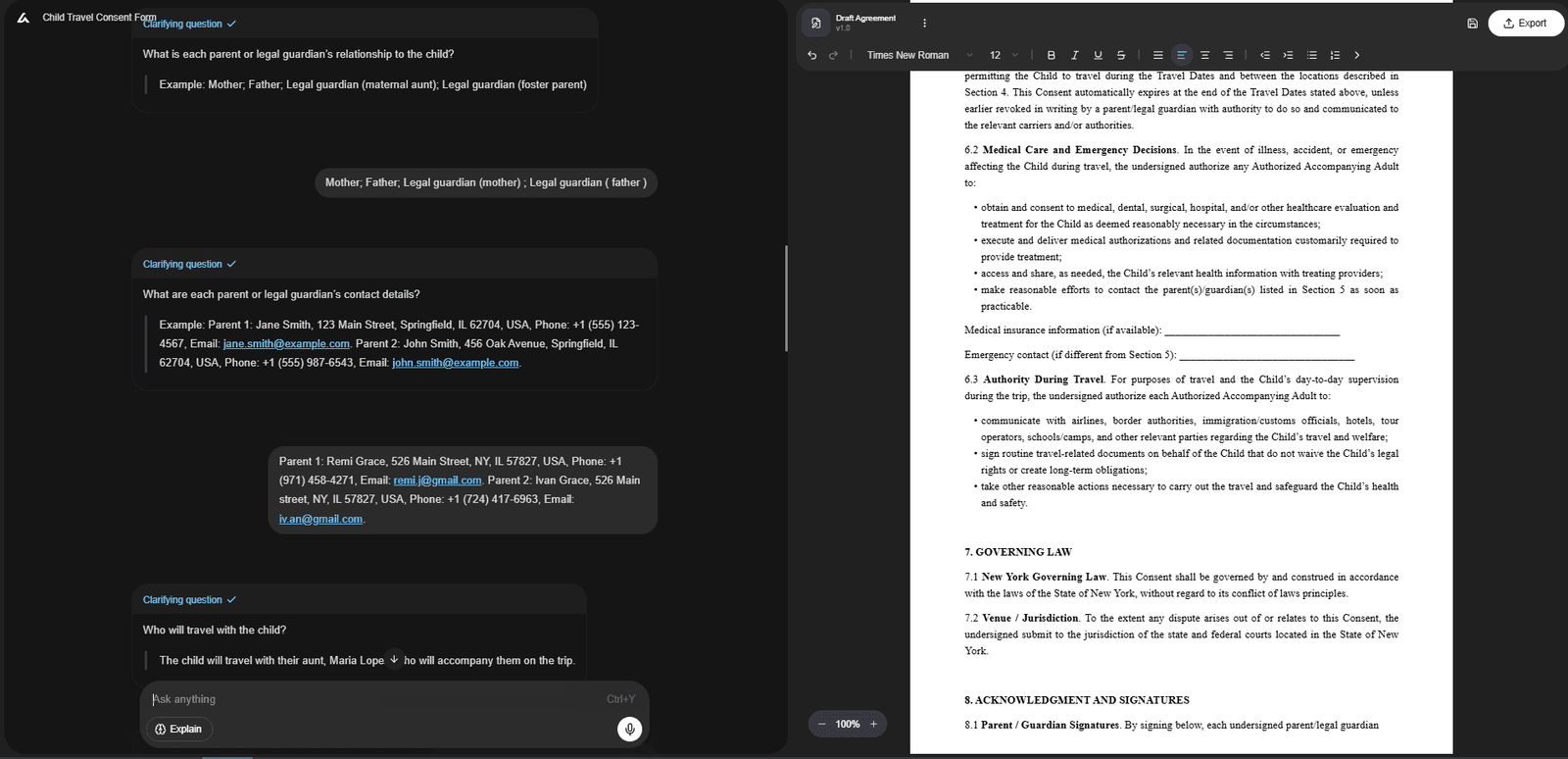
· Best for legal documents: AI Lawyer
Built for contract creation and agreement workflows.
· Best for PDFs and source-backed summaries: Sharly AI
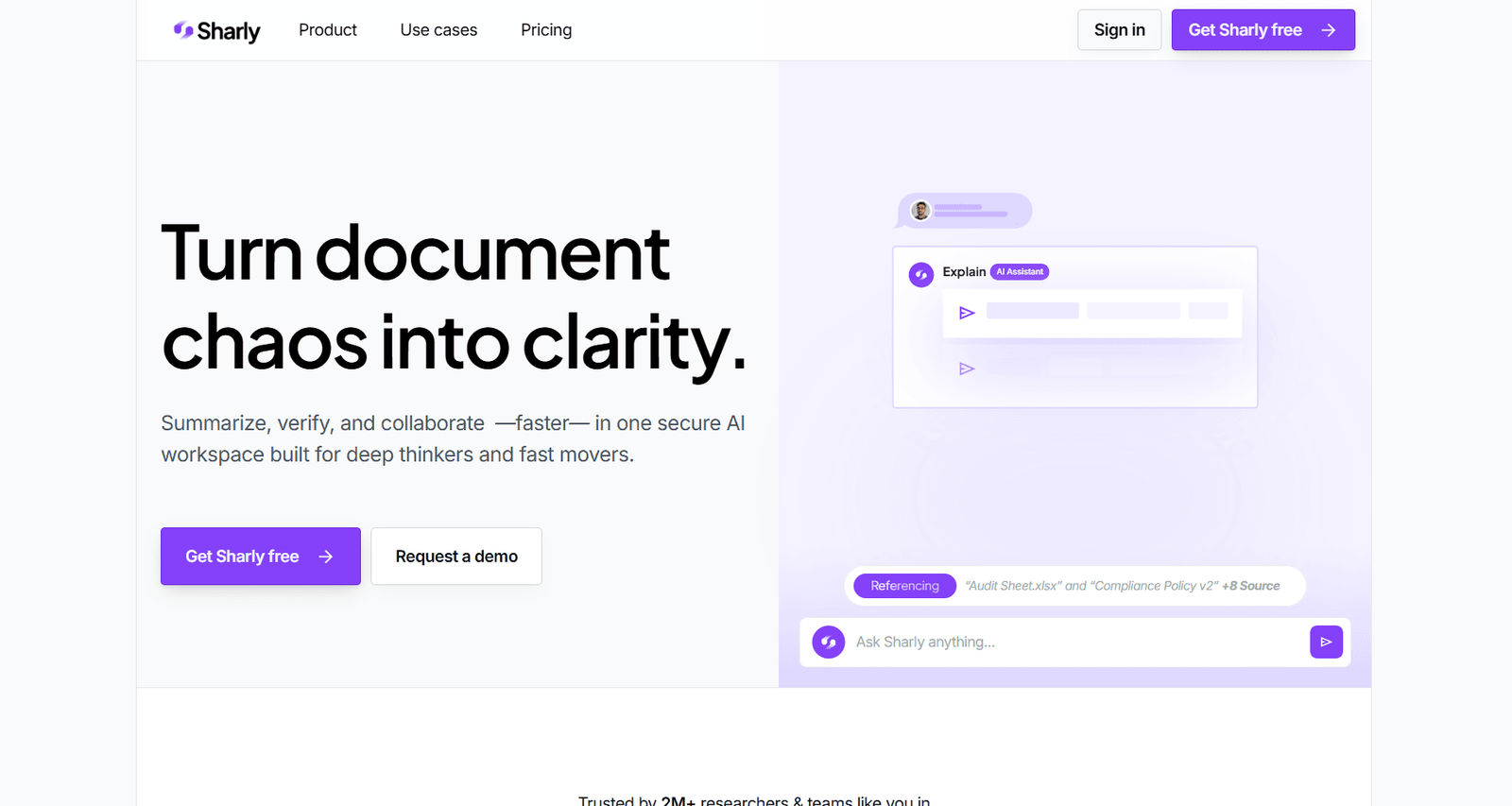
Strong on citations, page references, and multi-file review.
· Best for academic research: Scholarcy
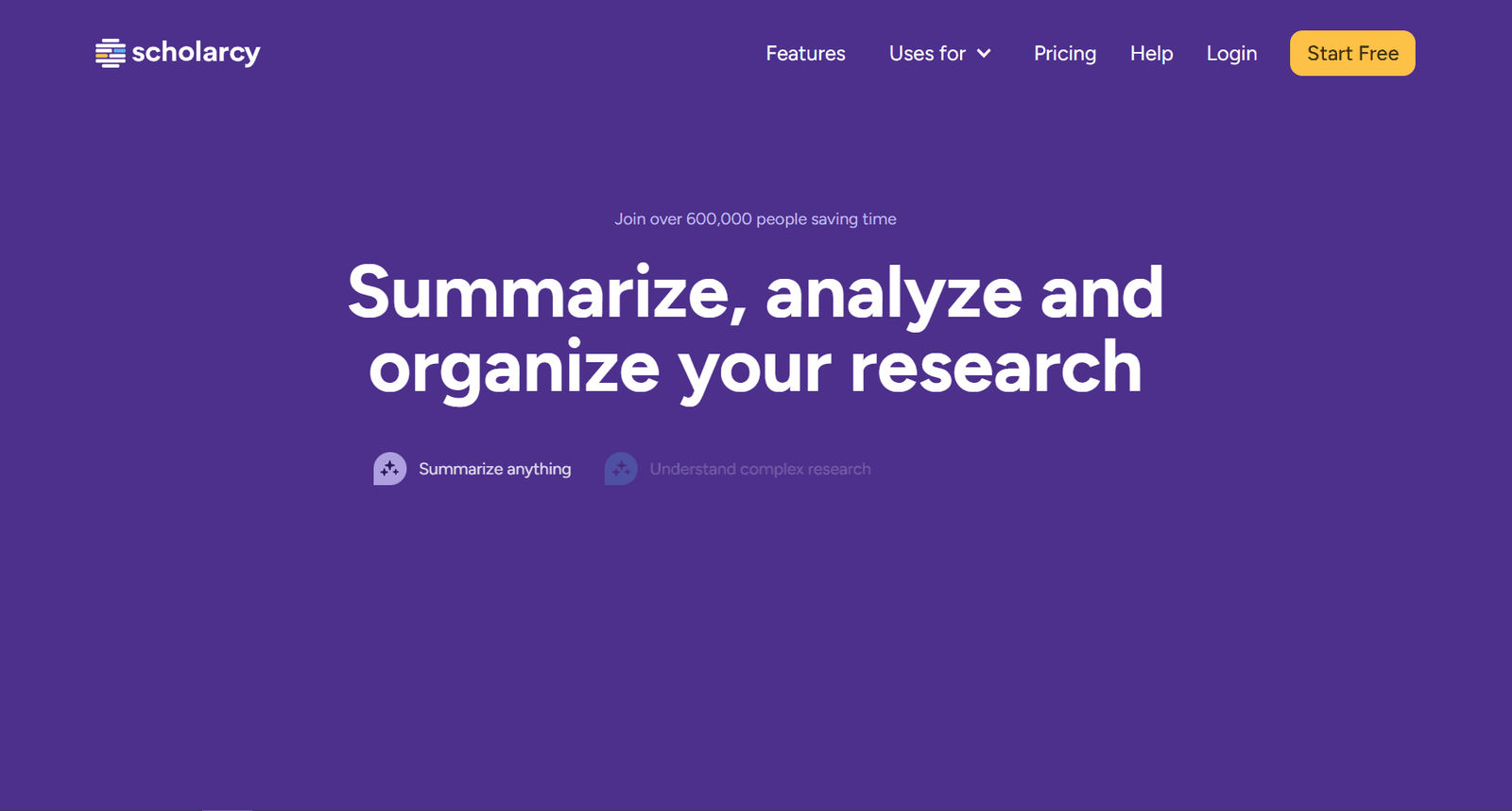
Useful for structured paper summaries and screening.
· Best for meetings, interviews, and lectures: Notta
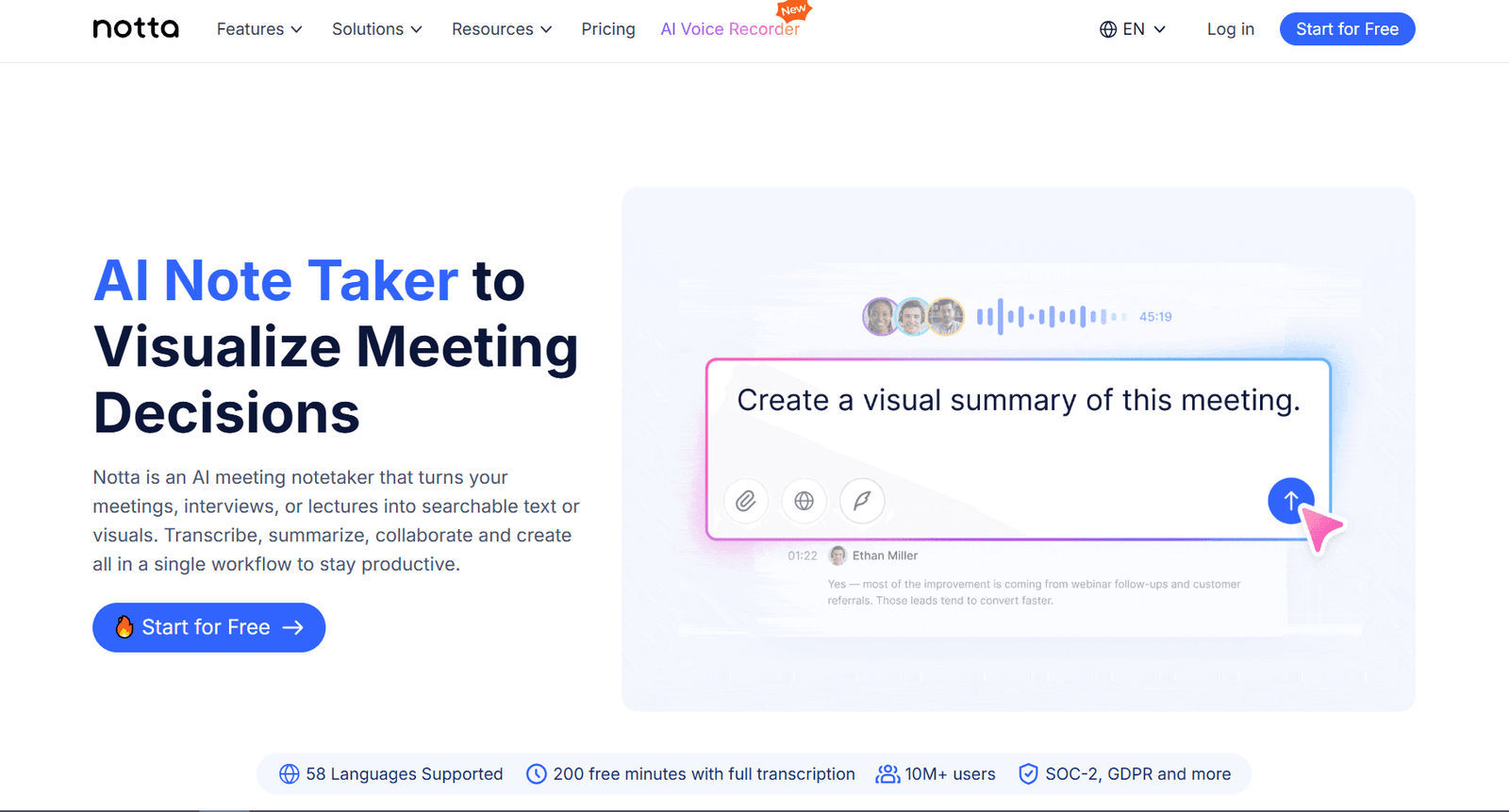
Designed for transcription, recap, and action items.
· Best free option: Scribbr
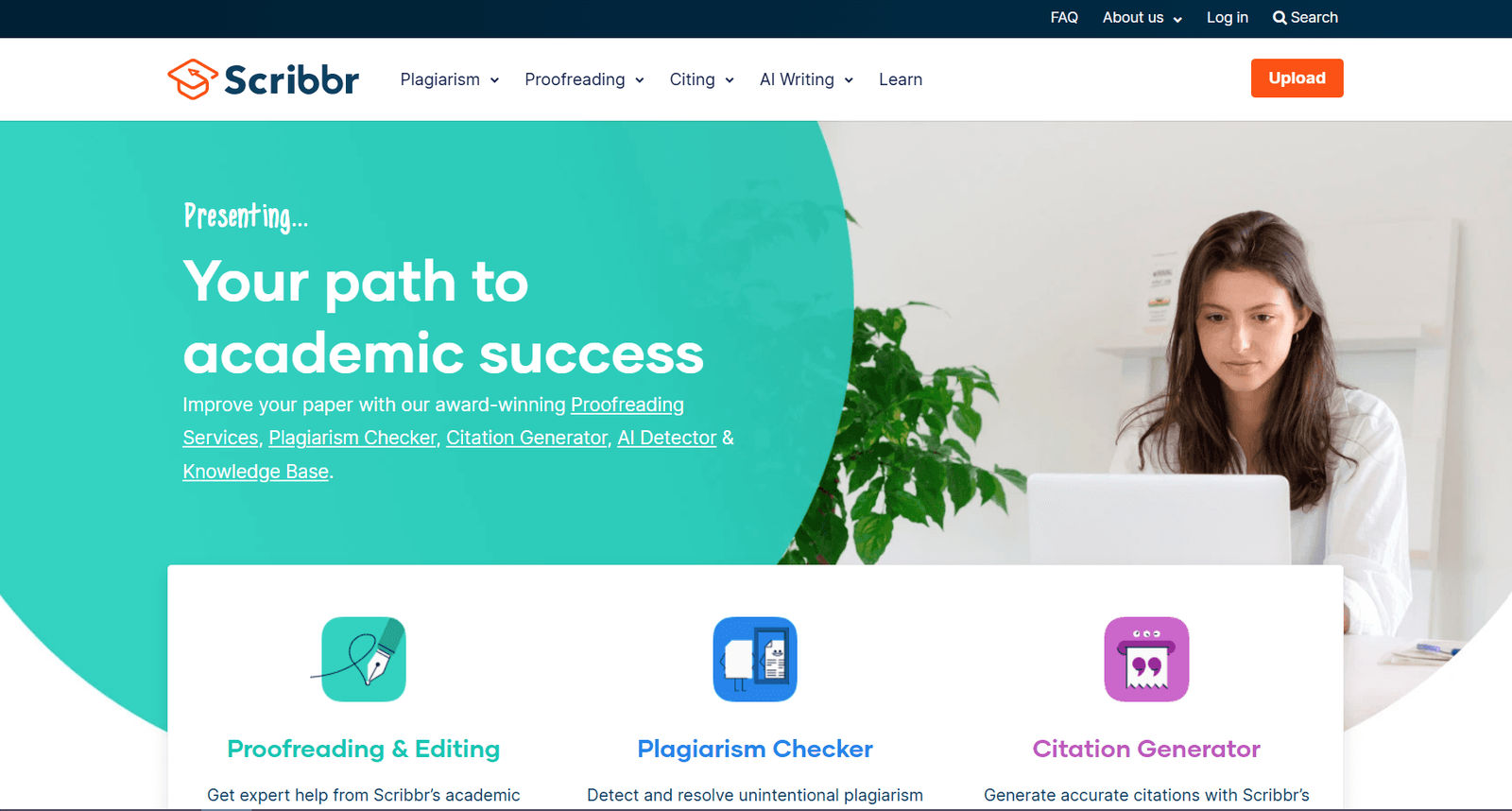
Efficient and easy for everyday use.
· Best for articles and web pages: TLDR This
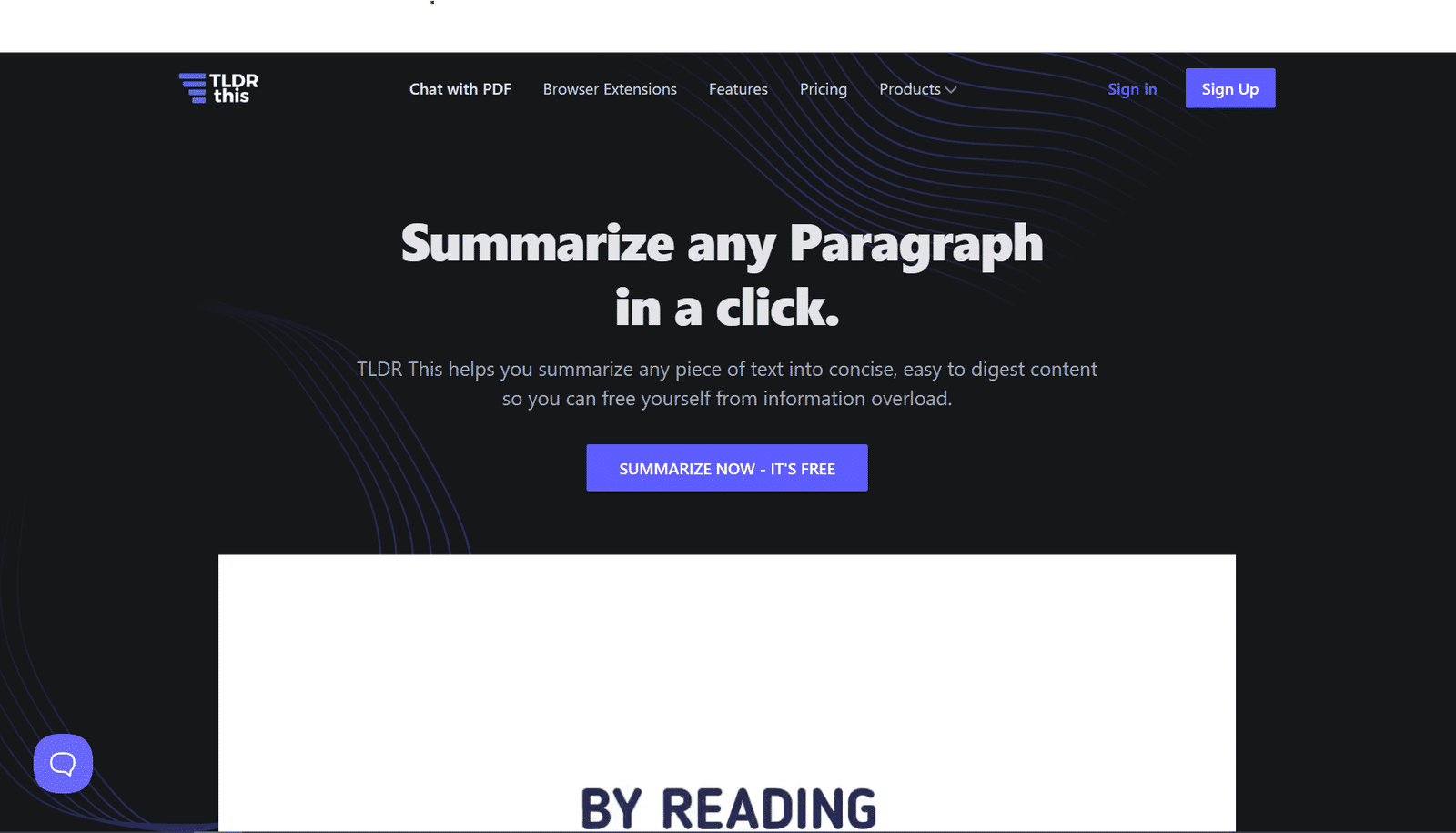
Best for quick summaries of lighter content.
· Best for multilingual summaries: GetDigest
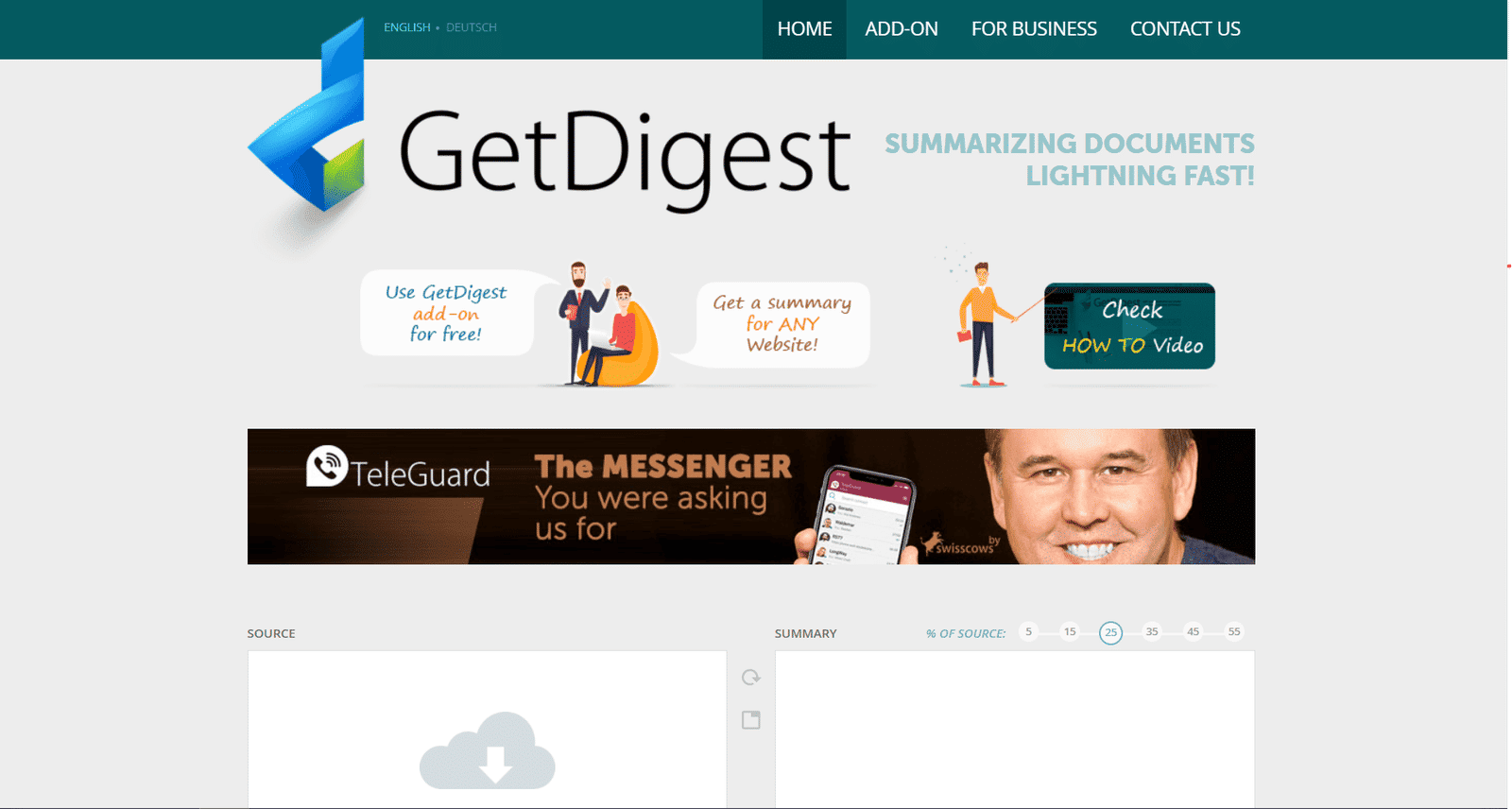
A practical option when language flexibility matters.
How We Chose These Tools
Rather than look for the best all-round document summarizer, we picked the best tool for each use. For each one we considered what kind of input it works best on, whether it provides citations, how well it handles scanned documents, and the limitations and privacy questions — does the vendor store your documents, for how long, and how long can inputs be.
Prices and limits below come from each vendor’s own website and support pages, checked on October 29, 2026. Vendors change them, so check before you buy.
Disclosure: we make AI Lawyer. We applied the same criteria to it as to everything else here. Consider your options anyway.
Comparison Table of the Best AI Summarization Tools
| Tool | Best for | Typical input | Standout strength | Free plan limit | Paid from | Main trade-off |
|---|---|---|---|---|---|---|
| AI Lawyer | Legal documents | PDFs, scanned legal files, text | Legal-first summaries and document review | Free access for new users, then paid plans | $55/week, $159/month, or $759/year, with a 30-day money-back guarantee | More specialized than general tools |
| Sharly AI | Source-backed PDF review | PDFs and document collections | Citations and page-level traceability | 5 documents a day, 50 messages a month | $12.50/month, billed yearly | Better for traceability than speed |
| Scholarcy | Academic research | Papers, articles, PDFs | Structured research summaries | 10 summaries | Price shown at sign-up, after a 7-day free trial | Less useful outside research-heavy work |
| Notta | Meetings and lectures | Audio, video, transcripts | Transcription plus recaps and action points | 120 minutes a month, 3 minutes per recording, 10 AI summaries | $8.17/month, billed yearly | Best suited to spoken content |
| Scribbr | Quick everyday summaries | Text and documents | Simple free summarization | Unlimited, up to 600 words per input | No paid plan | Not ideal for long or high-stakes documents |
| TLDR This | Articles and web pages | URLs, article text, PDF and Word files | Fast article summaries | Free key-sentence summaries, AI summaries capped | Paid plans priced behind sign-in | Limited for deeper analysis |
| GetDigest | Multilingual work | Documents, text, URLs | Detects 33+ languages | Up to 7,000 characters per text | No published price; integration quoted on request | Free version fits only short texts |
How to Choose the Right Tool
Choosing the right tool comes down to fit, not hype. Different documents need different kinds of summaries. A contract, a research paper, and a meeting transcript should not be treated the same way.
Start with the source material
If most of your documents are PDFs, articles, or papers, a document-centric tool is the likelier fit. If your material comes from calls, webinars, and interviews, a transcription-centric tool is.
The closer a tool sits to your sources, the more relevant its summary.
Decide whether you need speed or traceability
Some summarizers are built to hand you the gist quickly. Others help you verify where a particular point came from. The distinction matters:
· Extractive summaries pull directly from the source.
· Abstractive summaries rewrite the content more freely.
For legal or academic work, being able to check the source usually matters more than getting a polished rewrite.
Match the tool to the stakes
A light summary may be enough for a blog post or an article. It is usually not enough for a policy document, an agreement, or anything research-driven.
When the material carries risk, accuracy outweighs convenience.
Check whether the real task is transcript review
Most people assume they need a document summarizer when what they actually need is something to summarize spoken material.
Discussions, interviews, and talks call for more than a summary. What they need is decisions and action points.
Review privacy before uploading sensitive files
This matters when you work with contracts, client records, or internal documents.
If a file would be risky to share casually, check the privacy settings before you upload it anywhere.
Define what “useful output” means for you
Some people need the gist fast. Others need:
-
well-formatted notes;
-
optical character recognition (OCR);
-
multi-language support;
-
or task automation.
A good summary is not only shorter but genuinely faster to work from.
Best Tools by Use Case
The easiest way to pick is by workflow: what you are going to review, how precise you need to be, and what you want to end up with.
Legal and High-Stakes Documents
Legal documents ask for more than summarization. Contracts, leases, and policies need attention to obligations, clauses, risks, and language.
For unambiguously legal work, AI Lawyer is the better fit than a general-purpose tool: agreement summaries, document comparison, translation, and legal document scanning.
Sharly AI is the other strong choice when traceability matters, because it helps you find where a given point came from.
How to Summarize a Legal Document Without Missing Anything
Whichever tool you choose, make sure the summary covers everything you would need to act on. For a lease or any other agreement, that means:
-
who the parties are and their roles, the effective date, the term, when it renews, how much notice is required;
-
the price, when you have to pay it, any deposit, late fees, and penalties;
-
what you have to do to get out of it, whether it auto-renews, and whether the other side can get out — how and when;
-
how much each side can be liable for, any cap on damages, what you have agreed to cover if something goes wrong, and the promises each party is making;
-
which state’s law applies and where you would sue, plus anything unusual or one-sided.
Then check the summary. It takes five minutes:
-
check every number and date;
-
search the document for the words that quietly change meaning — “unless,” “except,” “provided that,” “notwithstanding”;
-
ask for citations back to each section or page, and treat anything without one as unproven;
-
read the termination and liability clauses in full, because getting those wrong is expensive;
-
if anything fails these checks, or you are unsure, or the stakes are high, have a lawyer look at it before you sign.
Academic and Research Work
Research needs more than an abridged article. Usually you want findings, methods, limitations, references, and a way to decide what deserves a full read.
Scholarcy is the most appropriate here, because it is built around papers, articles, and reviews.
Unriddle/Anara works best when the real task is synthesis rather than summarizing one document.
Sharly AI is worth considering when you need the summary to stay close to the original text.
Meetings, Audio, and Video
Spoken material works differently. You need transcription first, then a usable summary.
Notta is the best choice for turning recordings into summaries quickly.
ClickUp fits when the summary has to become tasks in your team’s workflow.
Copy.ai applies in the narrow case where webinar summaries feed outreach.
Fast, Free, and Everyday Summaries
Sometimes all that matters is understanding the content in less time.
Scribbr is the easiest free option for that.
TLDR This is a good choice when speed matters more than depth.
GetDigest is worth considering when you need several languages.
Paraphraser.io is a lightweight option when you want shorter output with a little control.
Content, SEO, and Business Workflows
Some of these are full writing platforms rather than summarizers, and they make sense when summarization is one step in a larger process.
Frase suits SEO and content research.
Jasper suits teams that need tighter control over brand voice.
Hypotenuse AI is more useful for e-commerce teams working with product content.
Free AI Assistants Are Fine for One-Off, Casual Use
Sometimes you just need an AI assistant to give you the gist of a document. As long as it is not confidential and you will not need to refer back to it, ChatGPT, Claude, Gemini, and others do a perfectly adequate job. Upload the file and ask a question, with any context that helps — your role, the decision you have to make. Ask it to cite each section.
Our favorite is Google’s AI notebook, now called Gemini Notebook and previously NotebookLM. Ask questions about a collection of documents and get answers grounded in those documents, with citations. The free tier allows up to 50 sources per notebook, each up to 500,000 words or 200 MB. It is especially useful for comparing information across several documents, or getting an overview of an unfamiliar field.
Dedicated Tools Understand Documents and Keep Working With Them
When should you reach for something more dedicated? If you regularly — even weekly — have to understand a pile of documents; if those documents are confidential; or if they are important, such as a contract, a lease, or a company policy.
General assistants tend to produce a summary of what they judge important, rather than what you need, and they often miss document structure: dates, parties, obligations. Long documents can exceed their context, so ask for a summary section by section. Badly shot photos and scans need OCR before anything can summarize them.
Privacy differs by vendor and plan. On personal plans, ChatGPT uses your conversations for training unless you turn off “Improve the model for everyone”; Claude uses them only if you opt in; and Gemini uses them while “Keep Activity” is on. Business and enterprise plans are governed by separate commercial terms. Google says it will not use your Gemini Notebook documents to train its models unless you send feedback.
Common Mistakes When Choosing a Tool
Plenty of lists assume every platform that condenses text solves the same problem. That is usually where the mismatch starts.
Choosing a broader platform than you need
A bigger platform looks more impressive, but extra features are no guarantee of fit.
Choose by the job, not by the feature count.
Ignoring the source format
A long PDF, an audio lecture, and a scanned contract are three different workflows.
Format matters more than branding.
Overlooking privacy
Privacy becomes the issue the moment the material is sensitive.
For contracts, reports, and customer documents, data handling has to be part of the decision.
Choosing speed over verifiability
Faster output can look elegant without being easy to check.
In dense material, a verifiable summary beats an elegant one.
Expecting one tool to do everything well
Few tools handle legal documents, research, webinars, and teamwork equally well.
Different workflows need different tools.
Conclusion
The best summarization tool is not the one with the longest feature list. It is the one that fits the documents you handle most often.
For research papers and dense source material, Scholarcy and Sharly AI make more sense. If your work starts with meetings or lectures, Notta is the better fit. For legal files, AI Lawyer is better aligned than any general tool.
For quick free summaries, Scribbr remains an easy starting point. For fast article or URL summaries, TLDR This is a lightweight choice. For multilingual use, GetDigest stands out.
The takeaway is simple: pick the tool that matches the job.
FAQ
Which tool is better for contracts and other legal files?
A legal-first or source-backed tool is usually the better choice because it helps preserve clauses, obligations, and risks.
Can these tools help business teams work faster?
Yes. They are most useful when they turn long material into clear points, actions, and next steps.
What matters most for research use?
Structured output, citation support, key findings, and source traceability.
Do the same tools work equally well for PDFs and meeting transcripts?
No. PDFs, contracts, and spoken content usually require different workflows.
When is a simple summarizer not enough?
When the material is dense, high-stakes, or needs verification.
Sources and References
Disclaimer: This information is for general knowledge and does not constitute legal advice. For guidance on your specific situation, consult a qualified attorney licensed in your state.